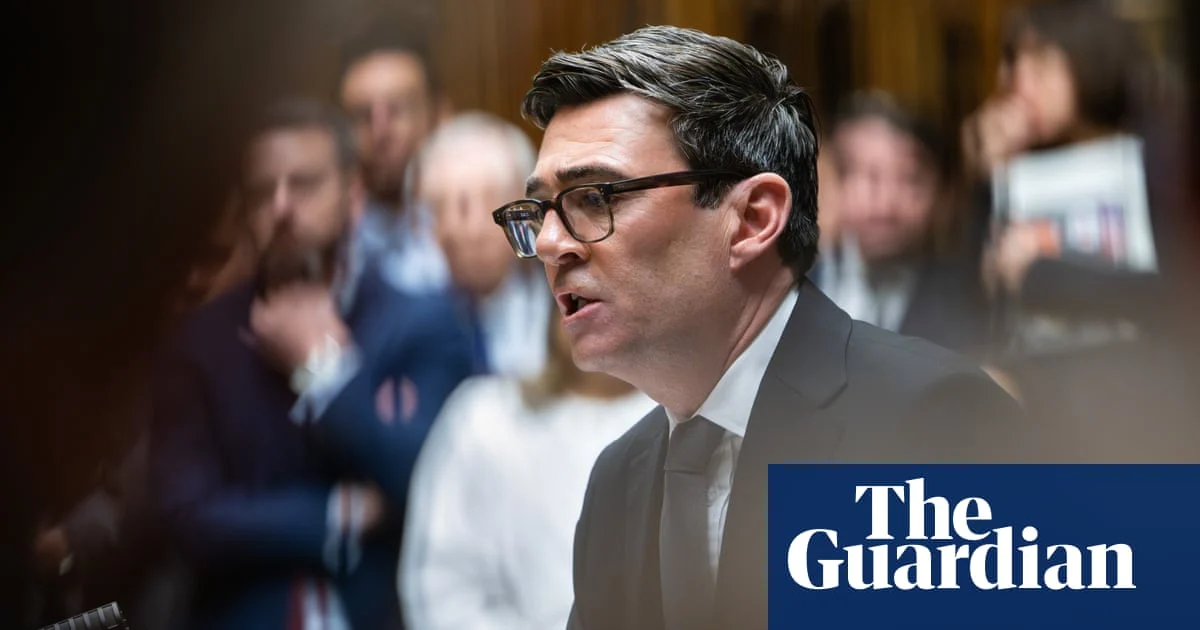
The Brexit deal struck by the United Kingdom does not deliver what the British public were promised, according to Andy Burnham, who argued that the exit from the European Union has damaged the economy and failed to produce its advertised benefits. He also ruled out major policy changes during the current parliamentary session.
Burnham contended that the final arrangement represents a harder departure than what was outlined during the referendum campaign, and that it has not improved the government’s capacity to address irregular migration across the English Channel. He backed the home secretary’s stricter immigration rules, suggesting they respond to post-Brexit limitations.
Key Facts
- Brexit deal not good enough for British public, per Andy Burnham.
- Exit has damaged economy and failed to deliver promised benefits.
- Current deal is harder than proposed in referendum campaign.
- Deal has not controlled small boats crisis, Burnham says.
- No major pre-election changes expected in current parliament.
Brexit Deal Criticised as Too Hard
Burnham’s critique focuses on the gap between campaign promises and the eventual agreement. He says voters were sold one version of Brexit during the 2016 referendum, only to receive a more restrictive arrangement once negotiations concluded.
This mismatch, he argues, has left the UK with fewer leverage points in trade discussions and weaker tools for managing cross-channel movement. Without membership of the single market or customs union, the government can no longer return migrants directly to European neighbours, reducing border control options.
What Happens Next?
With no expectation of sweeping legislative shifts before the next general election, Burnham’s comments may signal a broader push to reframe the Brexit conversation. His support for tougher immigration measures aligns with recent policy moves aimed at deterring Channel crossings.
The home secretary has introduced new rules requiring asylum seekers to apply in the first safe country they reach, a policy Burnham appears to endorse as necessary under current constraints. Parliamentarians across parties are weighing how to balance border security with humanitarian obligations.
How Did We Get Here?
The referendum resulted in a narrow vote to leave the EU. After years of negotiation, the final deal removed the UK from both the single market and the customs union, creating new barriers for goods and people.
Supporters claimed this would restore sovereignty and open trade opportunities. Critics, including Burnham, say the promised benefits have not materialised, pointing instead to economic headwinds and persistent migration pressures.
What We Know — and What We Don’t
Verified by the source:
- Brexit weakened UK economic performance, according to Burnham.
- The current deal exceeds the stringency pledged before the referendum.
- Burnham ruled out large-scale changes before the next election.
Still unconfirmed:
- Exact economic data supporting the weakened performance claim.
- Specific immigration figures linked to Brexit restrictions.
- Any official rebuttals from other senior politicians.
Why It Matters
Burnham’s assessment contributes to an ongoing debate about whether Brexit has fulfilled its central promises. As the UK navigates its post-EU identity, these questions influence trade, security, and domestic policy for years ahead. See more analysis at politics and economy and markets.
What To Watch
Future statements from party leaders and official immigration statistics may clarify whether Burnham’s concerns reflect broader trends within UK governance.