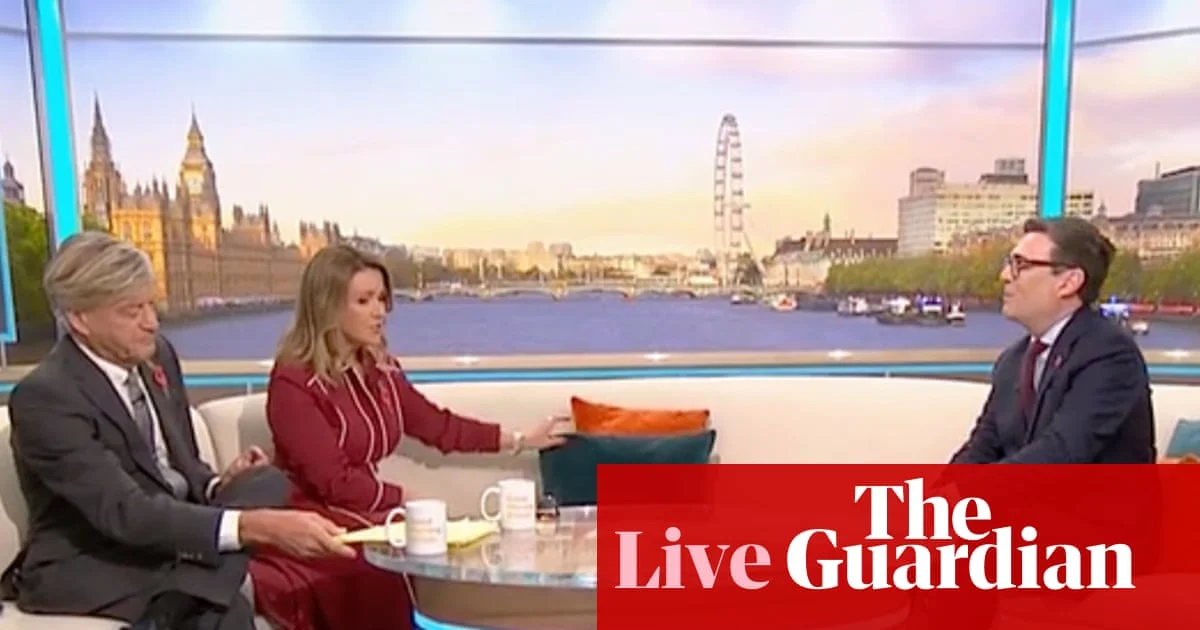
Andy Burnham has said he would rejoin the EU if possible, but stressed that any decision should be led by the British public rather than politicians. In a televised interview, Burnham clarified his position on Brexit and electoral timing, saying he was not pushing for an early general election despite speculation. He reiterated that his focus was on delivering results rather than revisiting past political battles.
The comments came during a morning television appearance where Burnham was questioned about Labour’s stance on Europe and whether he was preparing the ground for a snap vote. He maintained that the public were “the bosses” in any decision about the UK’s relationship with the EU, suggesting that such matters must be resolved democratically and respectfully.
Key Facts
- Andy Burnham stated he would like to rejoin the EU.
- He said the British public, not politicians, should decide on EU relations.
- Burnham ruled out an early election.
- He described Brexit debates as backward-looking.
- A recent Ipsos poll showed Labour leading with 32%, up by 8 points.
What Happens Next?
Burnham’s remarks have reignited questions over Labour’s official stance on the EU and the timing of any potential election. While he personally expressed a desire to rejoin the bloc, he emphasized that no change in policy could happen without public backing. This reflects a broader tension within the party between pro-EU voices and those wary of rekindling divisive debates so soon after Brexit.
Recent polling data suggests growing support for Labour, with one survey showing a significant lead over other parties. However, Burnham’s comments on EU membership may fuel further discussion among voters and within his own party about how to navigate the legacy of Brexit without alienating sections of the electorate who supported leaving the EU.
How Did We Get Here?
The UK’s departure from the EU in 2020 marked the end of decades of integration, but left unresolved questions about the future of UK-EU relations. Since then, various political figures have weighed in on whether the country might eventually return to the fold. Burnham’s intervention adds weight to ongoing conversations about the nation’s strategic direction, particularly amid shifting public opinion and evolving global dynamics.
His refusal to endorse an early election also aligns with a wider political mood that favors stability over political upheaval. As parties grapple with domestic priorities and post-Brexit adjustments, leaders like Burnham are positioning themselves as focused on governance rather than electoral tactics, even as they engage with symbolically charged issues like EU membership.
What We Know — and What We Don’t
Verified by the source:
- Andy Burnham said he would like to rejoin the EU.
- He stated that the British public should make decisions about EU relations.
- Burnham ruled out an early election.
- He described Brexit discussions as backward-looking.
- An Ipsos poll placed Labour at 32%, with an 8-point lead.
Still unconfirmed:
- The exact timing or format of any future EU referendum.
- Labour’s official party position on EU re-entry.
- Dates and methodologies behind the cited polling data.
- Whether other senior Labour figures share Burnham’s view.
<n
Why It Matters
Burnham’s comments contribute to an increasingly vocal debate about the UK’s long-term relationship with Europe. As political leaders weigh how to address post-Brexit realities, their words influence both voter sentiment and internal party dynamics. These discussions shape how the country positions itself internationally and economically, making clarity and public engagement essential for democratic accountability. For more context, see our coverage in politics and war-geopolitics.
What To Watch
Further statements from Labour leadership are expected as debates over Brexit and electoral strategy continue. Official responses to Burnham’s comments may clarify or complicate the party’s messaging ahead of future political developments.