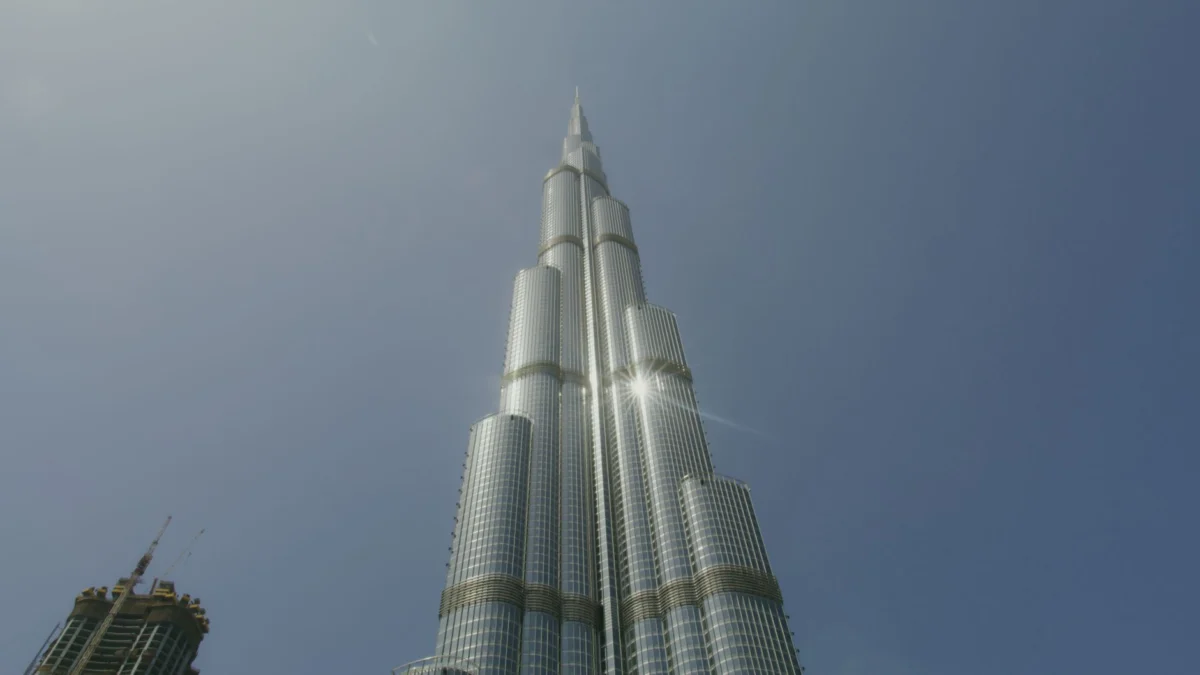
Four massive concrete pillars—each 180 metres tall and weighing more than 30,000 tonnes—now pierce the fog over Hangzhou Bay, completing the main tower segment of the Hangzhou Bay rail bridge’s northern channel.
The towers, built by China Railway Construction Corporation, were hoisted into place over the past 18 months, a feat of engineering rivaled only by the world’s longest sea‑spanning bridges.
When the last crane lowered its load at 06:30 a.m. this Monday, workers sounded a short horn and snapped a photo that quickly spread on Chinese state media. The image shows the slim, needle‑like silhouettes against a crimson sunrise, a visual promise of the bridge that will link Shanghai‑Hangzhou high‑speed rail to the Zhejiang‑Fujian coastal corridor.
Why does this matter?
At 55 km, the Hangzhou Bay rail bridge will become the longest sea‑crossing railway in the world. It will cut travel time between Shanghai and Ningbo from over three hours to just 90 minutes, slashing freight costs and boosting the region’s integration into the Belt and Road Initiative.
Economists estimate the project could generate up to ¥300 billion (US$42 billion) in annual economic activity, a boon for a region already wrestling with housing shortages and industrial overcapacity.
What happens next?
With the towers completed, crews will now install the 3,500‑metre deck and lay the dual‑track railway. Completion is slated for late 2028, followed by rigorous testing before commercial service begins.
Environmental watchdogs, however, remain uneasy. The bridge’s foundations sit on a seabed that hosts endangered migratory birds and a fragile mangrove ecosystem. While the Ministry of Ecology has granted a conditional permit, NGOs warn that increased traffic could exacerbate water pollution.
For local commuters, the bridge promises a daily commute that once required a ferry ride across choppy waters. For global investors, it signals China’s unwavering commitment to expanding its high‑speed rail network despite escalating geopolitical tensions in the South China Sea.
Stay tuned as the deck goes up, because the next milestone will determine whether the Hangzhou Bay rail bridge becomes a symbol of connectivity or a flashpoint for environmental and strategic debates.