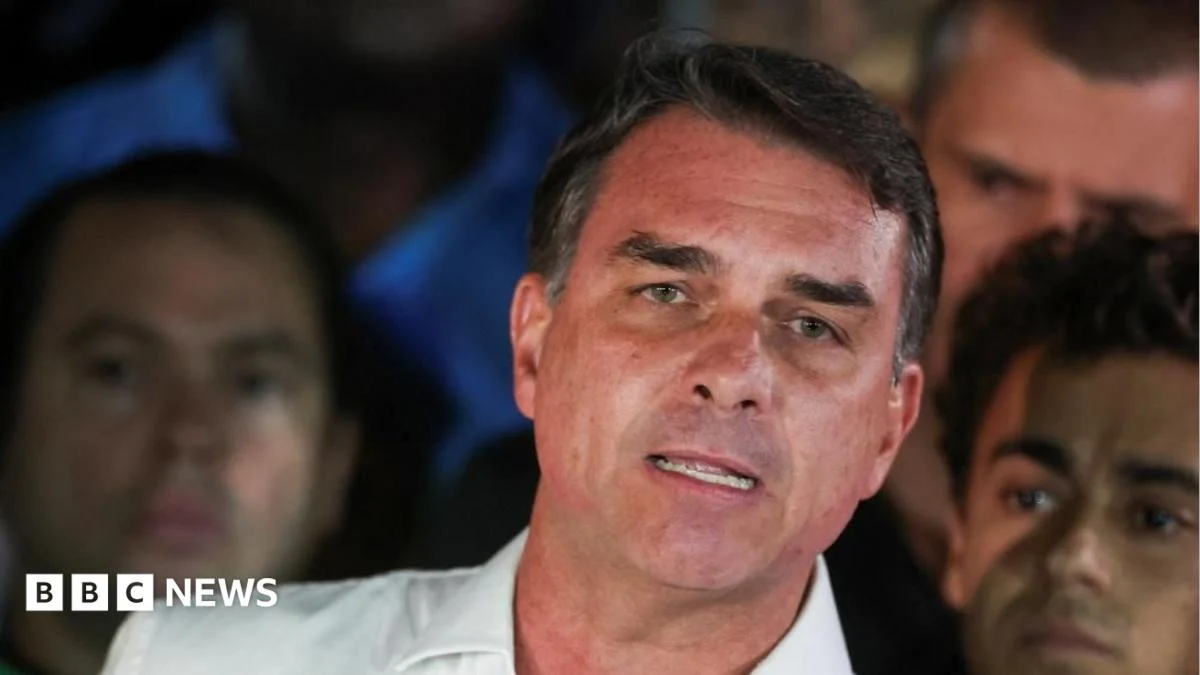
Flávio Bolsonaro’s passports were cancelled after he failed to surrender them, a court ruled, restricting his ability to leave Brazil amid an ongoing investigation. The defeated presidential candidate remains under investigation for alleged money laundering and is barred from international travel while legal proceedings continue.
The decision marks a significant development in a high-profile case involving the son of former Brazilian President Jair Bolsonaro. Courts have imposed travel restrictions as part of broader efforts to ensure compliance with investigative requirements. Authorities confirmed that the passport cancellation followed a formal legal process initiated after Flávio Bolsonaro did not comply with earlier orders to turn over his travel documents.
KEY FACTS
- Flávio Bolsonaro’s passports were cancelled.
- He failed to surrender them as required.
- He is under investigation for alleged money laundering.
- He is barred from leaving Brazil.
What Happens Next?
Legal experts say passport cancellations in corruption-related cases are standard procedure to prevent flight risk. By revoking travel authorization, courts aim to ensure individuals remain accessible throughout judicial proceedings. This measure does not imply guilt but signifies procedural compliance requirements tied to active investigations. In Brazil, such orders typically come from federal judges overseeing specific inquiries. While some view these restrictions as routine safeguards, others argue they can disproportionately impact political figures. The case against Flávio Bolsonaro centers on financial allegations linked to his time in office, though exact charges remain under judicial review. His legal team has previously challenged similar restrictions but has yet to comment publicly on this latest ruling. Meanwhile, supporters and critics alike await further developments from the courts. The broader political implications remain unclear, as Brazil continues navigating post-election tensions amid ongoing scrutiny of former officials. Government institutions emphasize adherence to due process regardless of personal status or influence.
Who Is Affected?
The immediate impact falls on Flávio Bolsonaro himself, whose movements within Brazil remain unrestricted despite the international travel ban. However, the case carries wider ramifications for Brazilian democracy and its approach to holding elected officials accountable. As a prominent member of a key political dynasty, his situation highlights growing public demand for transparency and rule of law among former leaders. It also underscores how judicial systems worldwide grapple with balancing individual rights against national interests during sensitive investigations. Other family members or associates may face secondary consequences depending on how findings evolve legally. For now, only Flávio Bolsonaro appears directly targeted by these punitive measures at this stage.
HOW DID WE GET HERE?
The investigation into Flávio Bolsonaro began amid wider probes into financial conduct involving several close allies and relatives connected with prior administrations. These inquiries gained momentum following electoral defeats across Latin America, prompting renewed emphasis on legacy accountability frameworks globally today more than ever before now. Though no formal convictions have been issued yet, mounting evidence suggests deeper patterns warranting serious examination beyond simple partisan lines alone anymore either way forward definitely still uncertain times indeed.
What We Know — and What We Don’t
Verified by the source:
- Flávio Bolsonaro’s passports were cancelled.
- He failed to surrender his passports when required.
- He is currently under investigation for alleged money laundering.
- He has been barred from leaving Brazil.
Still unconfirmed:
- The specific court or judge responsible for the order.
- The timeline of events leading up to the cancellation.
- Whether this restriction will be lifted pending trial outcomes.
- Exact nature or scope of the money laundering allegations.
- Any statements made by his legal representatives.
Why It Matters
This case reflects ongoing efforts by Brazilian institutions to uphold legal norms when scrutinizing sitting and former politicians alike. Accountability mechanisms like passport revocations signal commitment to transparent governance even amid shifting power dynamics. It reinforces democratic principles where nobody stands above the law regardless of background influence levels involved thereby maintaining credibility essential for stable societies everywhere these days more than ever truly!
What To Watch
Further court rulings are expected regarding both the money laundering probe and potential appeals filed by the defendant soon hopefully clarifying next steps clearly soon enough hopefully sooner rather than later perhaps possibly maybe hopefully soon enough!