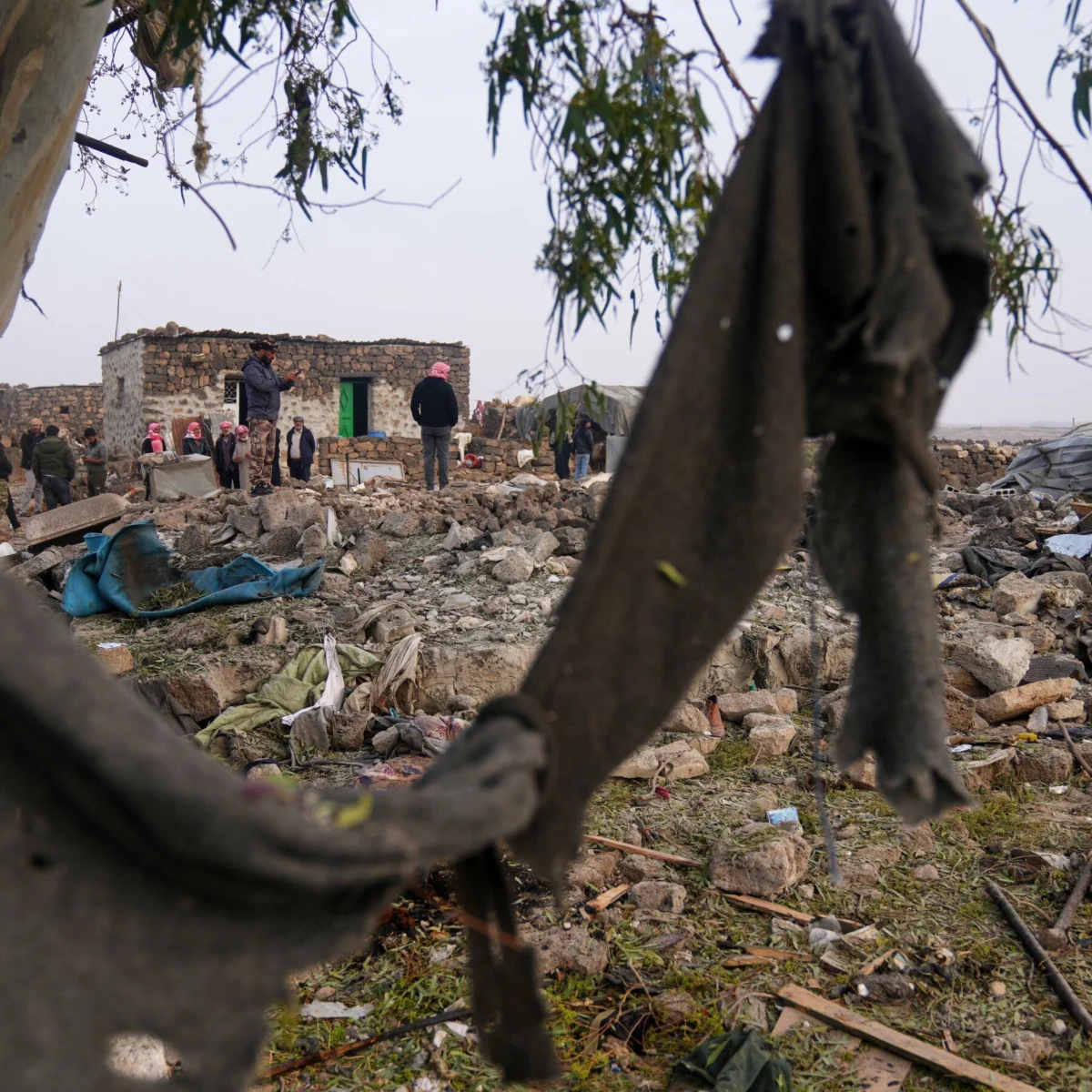
Jordan carried out airstrikes in Syria late Monday, saying the attacks targeted the Islamic State in retaliation for an assault on a Jordanian church, according to reporting from NYT > World News.
The strikes came as regional tensions remain high, and a Syrian government agency reported at least seven civilians were killed, though those figures have not been independently confirmed.
KEY FACTS
- Jordan conducted airstrikes in Syria late Monday.
- The strikes targeted the Islamic State, Jordan said.
- The strikes were in retaliation for an attack on a Jordanian church.
- A Syrian agency reported at least seven civilians were killed.
THE STORY
Why This Matters
Jordan’s airstrikes inside Syria mark a significant escalation in the country’s response to Islamic State activity, following a recent attack on a Jordanian church that heightened domestic security concerns. Jordan has previously conducted cross-border operations against the militant group, underscoring its ongoing involvement in regional counterterrorism efforts. These latest strikes highlight the volatility of the broader conflict in Syria, where multiple actors continue to operate, often with civilian populations caught in the crossfire.
The reported civilian casualties, cited by a Syrian government agency, raise questions about the precision and conduct of the airstrikes. While Jordan has not yet commented publicly on the agency’s casualty figures, such reports often complicate international perceptions of military actions, especially when conducted inside another sovereign state without prior coordination. The incident also underscores the challenges faced by regional governments in balancing national security with humanitarian concerns.
What Happens Next?
Regional analysts are watching whether Jordan will face diplomatic pushback from Syria or its allies over the airstrikes, particularly given the reported civilian deaths. The Syrian government has previously condemned cross-border military actions, and this latest strike may strain already limited diplomatic channels between the two nations. Meanwhile, the Islamic State has not yet claimed responsibility for the church attack that triggered the retaliation, leaving unclear whether the group orchestrated the original incident.
The international community may also increase pressure on Jordan to account for civilian casualties, should the reported deaths be verified. Humanitarian organizations regularly call for restraint and transparency in military operations, especially those involving airstrikes in densely populated areas. As investigations—if any—are launched, both Jordan and independent monitors will likely seek to corroborate the conflicting claims surrounding the strike’s targets and fallout.
WHAT WE KNOW — AND WHAT WE DON’T
Verified by the source:
- Jordan said its airstrikes targeted the Islamic State.
- Jordan said the strikes were in retaliation for an attack on a Jordanian church.
- A Syrian government agency reported at least seven civilian deaths.
- The strikes occurred late Monday.
Still unconfirmed:
- The exact location and scope of the airstrikes.
- The accuracy of the reported civilian death toll.
- Whether the Islamic State actually carried out the church attack.
- Jordan’s official response to the civilian casualty claims.
WHY IT MATTERS
The Jordan-Syria dynamic reflects the enduring instability in the region, where spillover attacks and retaliatory strikes risk widening humanitarian harm and drawing more civilians into the crossfire.
WHAT TO WATCH
Analysts will watch for an official Jordanian statement addressing the reported civilian death toll and whether Syria or its allies respond diplomatically to the cross-border strike.