Lede
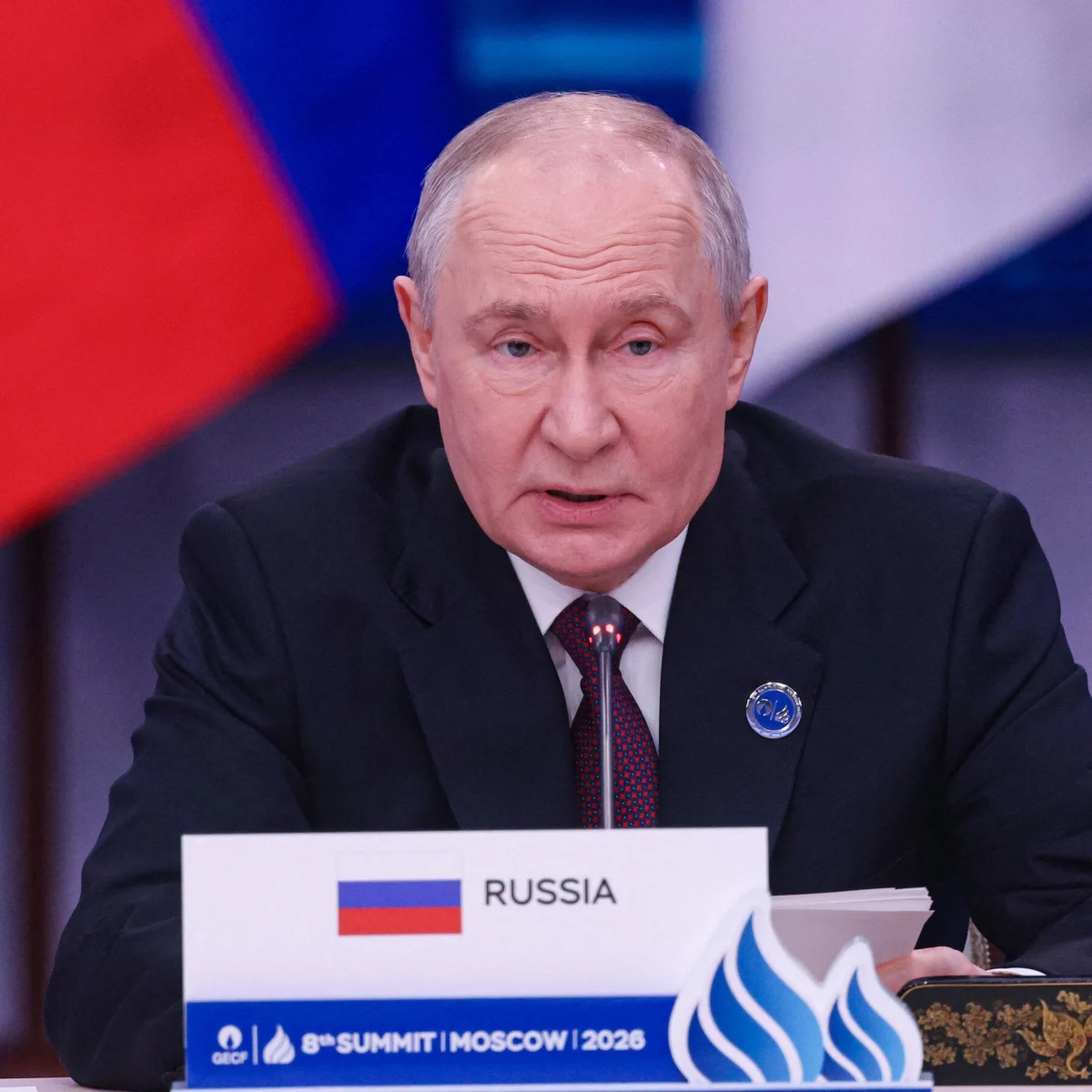
A diplomatic phone call to Vladimir Putin ordered by some European leaders has drawn sharp disagreement among allies, underscoring divisions over how to pursue a negotiated end to the war in Ukraine. The outreach was framed as a step to reopen dialogue, yet it was not supported by all European governments, reflecting ongoing tensions within the coalition backing Ukraine. The split highlights broader uncertainty about which diplomatic channels, if any, can effectively de-escalate the conflict.
According to reporting, the call was part of a broader push to encourage renewed peace negotiations, though several European leaders expressed reservations about engaging directly with the Russian president.
Key Facts
- Some European leaders placed a phone call to Putin to discuss ending the war in Ukraine.
- The call aimed to encourage renewed peace negotiations between Russia and Ukraine.
- Not all European leaders supported the diplomatic outreach to Putin.
- The outreach reflects internal divisions among European governments over how to approach Russia.
The Story
What Happens Next?
European governments now face a choice between continuing direct diplomatic outreach or aligning behind coordinated multilateral pressure. The disagreement among allies raises questions about whether unified support for Ukraine can survive divergent strategies toward Moscow. With no public timeline for follow-up talks, the next steps remain unclear, leaving Kyiv and its Western backers watching closely.
Still, officials involved in European security discussions say future engagement with Putin will likely depend on whether Moscow shows concrete willingness to de-escalate. Until then, the split among European leaders may complicate unified messaging. Analysts suggest that unless trust is rebuilt, parallel diplomatic tracks could weaken collective leverage.
Who Is Affected?
The ongoing disagreement directly impacts Ukraine, whose leadership has repeatedly pushed for stronger Western support while urging caution around unilateral diplomatic gestures. European unity has long been a cornerstone of transatlantic backing for Kyiv, so signs of division risk complicating coordination on military aid, sanctions enforcement, and future negotiations. For Putin, the mixed European response may signal that direct engagement remains both possible and contested on the global stage.
Ukrainian officials have not publicly commented on the call itself, but past statements emphasize preference for multilateral dialogue backed by NATO-aligned partners. Civil society groups in Europe have also reacted, with some expressing concern over legitimizing a leader accused of launching an illegal invasion. The fallout may influence upcoming parliamentary debates across several EU capitals.
How Did We Get Here?
European involvement in direct dialogue with Putin marks a shift from earlier phases of the Ukraine conflict, during which most Western leaders isolated Moscow diplomatically. Over time, however, some capitals have signaled openness to reopening backchannel communications in hopes of securing a negotiated settlement. These moves have coincided with evolving battlefield dynamics and fluctuating U.S. support, prompting Europeans to weigh their own strategic autonomy.
The current split mirrors earlier debates over humanitarian corridors, prisoner exchanges, and energy dependencies. Each flashpoint revealed tensions between principled resistance to aggression and pragmatic calculations about ending warfare. Whether this latest phone call will stabilize or deepen those divisions remains to be seen.
What We Know — and What We Don’t
Verified by the source:
- Some European leaders initiated a phone call to Putin.
- The stated goal was encouraging renewed peace negotiations over Ukraine.
- Several European leaders opposed the outreach.
Still unconfirmed:
- The identities of participating or opposing European leaders.
- Specific content or outcomes of the phone call.
- Russia’s official response to the diplomatic gesture.
- Whether further calls are planned.
Why It Matters
This episode reveals persistent fractures within Europe’s approach to the war in Ukraine, where unity has been critical for sustaining military and financial support. A breakdown in coordinated messaging could embolden Moscow while leaving Kyiv uncertain about future backing.
What To Watch
Future diplomatic initiatives involving Putin will likely face scrutiny from both allies and opponents within Europe. Analysts expect upcoming summits and joint statements to clarify whether direct engagement will continue or be scaled back.
European unity has been a cornerstone of Western support for Ukraine, making internal disagreements over outreach policy especially significant. A phone call to Putin ordered by some European leaders was met with resistance from others, highlighting ongoing uncertainty about effective diplomacy. As negotiations remain stalled, the split suggests that consensus-driven strategies may struggle to match urgent calls for faster resolution.