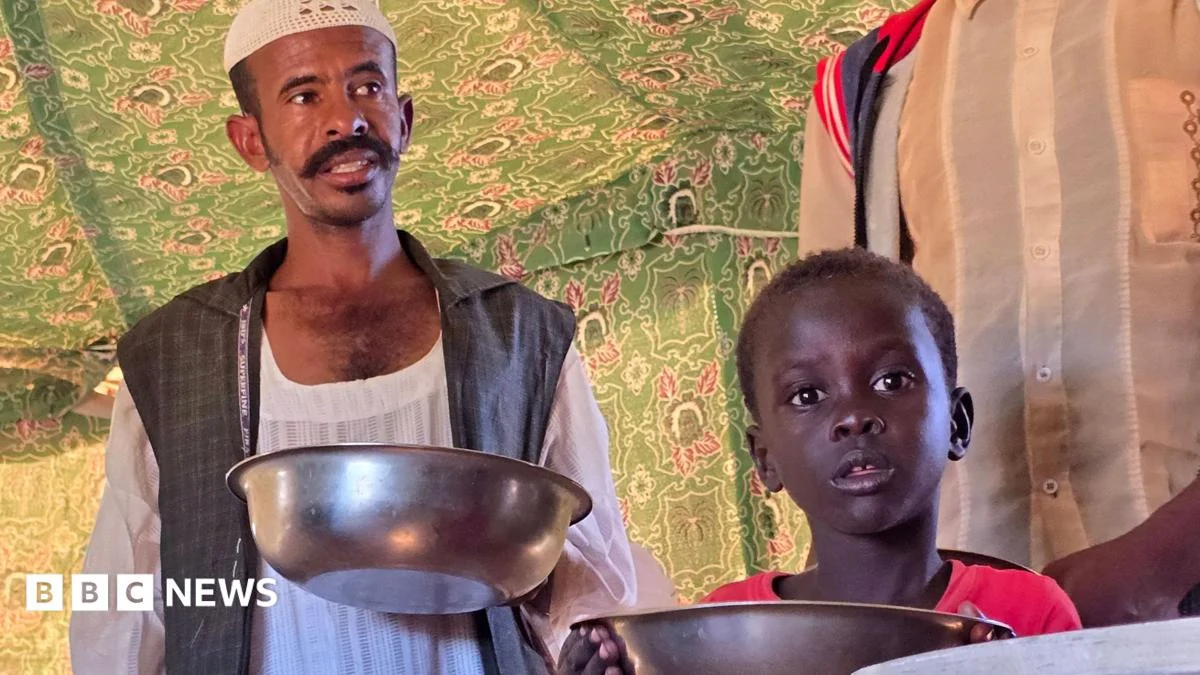
Western nations have warned of famine risk in Sudan as the ongoing civil war, combined with drought and funding cuts, drives millions into acute hunger. The humanitarian crisis continues to deepen without signs of immediate relief.
The conflict has disrupted food supplies, displaced populations, and strained already limited resources. Aid organizations face mounting challenges delivering assistance as conditions deteriorate across affected regions.
Key Facts
- Western warning: The West warns of famine risk in Sudan.
- Affected population: Millions face acute hunger.
- Conflict impact: Civil war continues to grind on.
- Compounding factors: Drought and funding cuts worsen the crisis.
- Humanitarian scope: The crisis involves conflict, drought, and funding cuts.
Why the Famine Risk Is Rising
The combination of active civil war, prolonged drought conditions, and reduced international funding has created a perfect storm for food insecurity. Fighting disrupts agricultural production and supply chains, while drought reduces crop yields. Funding cuts limit humanitarian response capacity when needs are greatest. Together, these factors amplify malnutrition risks across vulnerable populations. Without coordinated intervention, the situation is expected to deteriorate further. Millions already face acute hunger with limited access to basic necessities. The warning reflects growing concern among international observers about the rapidly worsening humanitarian outlook in Sudan.
Who Is Affected?
The civilian population bears the brunt of the escalating crisis. Families caught in conflict zones struggle to access food, clean water, and medical care. Children and elderly individuals face heightened vulnerability as malnutrition rates climb. Displacement forces communities to rely on scarce resources in unfamiliar locations. Healthcare systems strain under increased demand while operating with fewer supplies. Economic instability compounds hardship as livelihoods disappear. International aid groups report growing difficulty reaching those most in need due to security constraints and logistical barriers. Local markets remain disrupted, leaving many without income or sustenance sources.
What Happens Next?
Escalating violence could further reduce humanitarian access, worsening famine conditions. Funding shortages may continue limiting aid operations unless new pledges emerge from donor conferences or multilateral forums. Drought persistence threatens additional crop failures, increasing dependency on external assistance. Peace negotiations, if successful, might improve stability enough for aid delivery corridors to open safely. However, without decisive action addressing root causes—including conflict resolution, sustainable funding mechanisms, and climate adaptation strategies—the prognosis remains grim. Observers await concrete measures from global leaders to prevent famine from materializing.
What We Know — and What We Don’t
Verified by the source:
- Western actors have issued famine risk warnings for Sudan.
- Millions of people face acute hunger levels.
- An active civil war persists in the country.
- Drought conditions are affecting food security.
- Funding cuts have reduced humanitarian support.
Still unconfirmed:
- Specific regions within Sudan experiencing highest famine risk.
- Exact number of people facing acute hunger.
- Timeline for potential famine declaration.
- Identity of specific Western governments issuing warnings.
- Quantitative impact of funding cuts on aid operations.
Why It Matters
This developing situation illustrates how interconnected crises can rapidly spiral into catastrophic outcomes requiring urgent international attention. Famine historically emerges when conflict, environmental stress, and governance breakdowns align—a pattern now visible in Sudan. Global stakeholders recognize that early intervention prevents irreversible suffering and long-term regional instability. The stakes extend beyond national borders since mass migration and cross-border spillovers threaten neighboring countries’ peace and security arrangements. Addressing famine risk requires sustained diplomatic engagement alongside humanitarian aid mobilization before conditions cross a critical threshold.
What to Watch
Upcoming donor meetings could determine whether additional funding commitments materialize to address the growing crisis. Ongoing peace talks may offer opportunities for humanitarian truces allowing safer aid delivery.
Sudan famine risk escalates as civil war, drought, and funding cuts push millions into acute hunger, according to BBC News reporting.