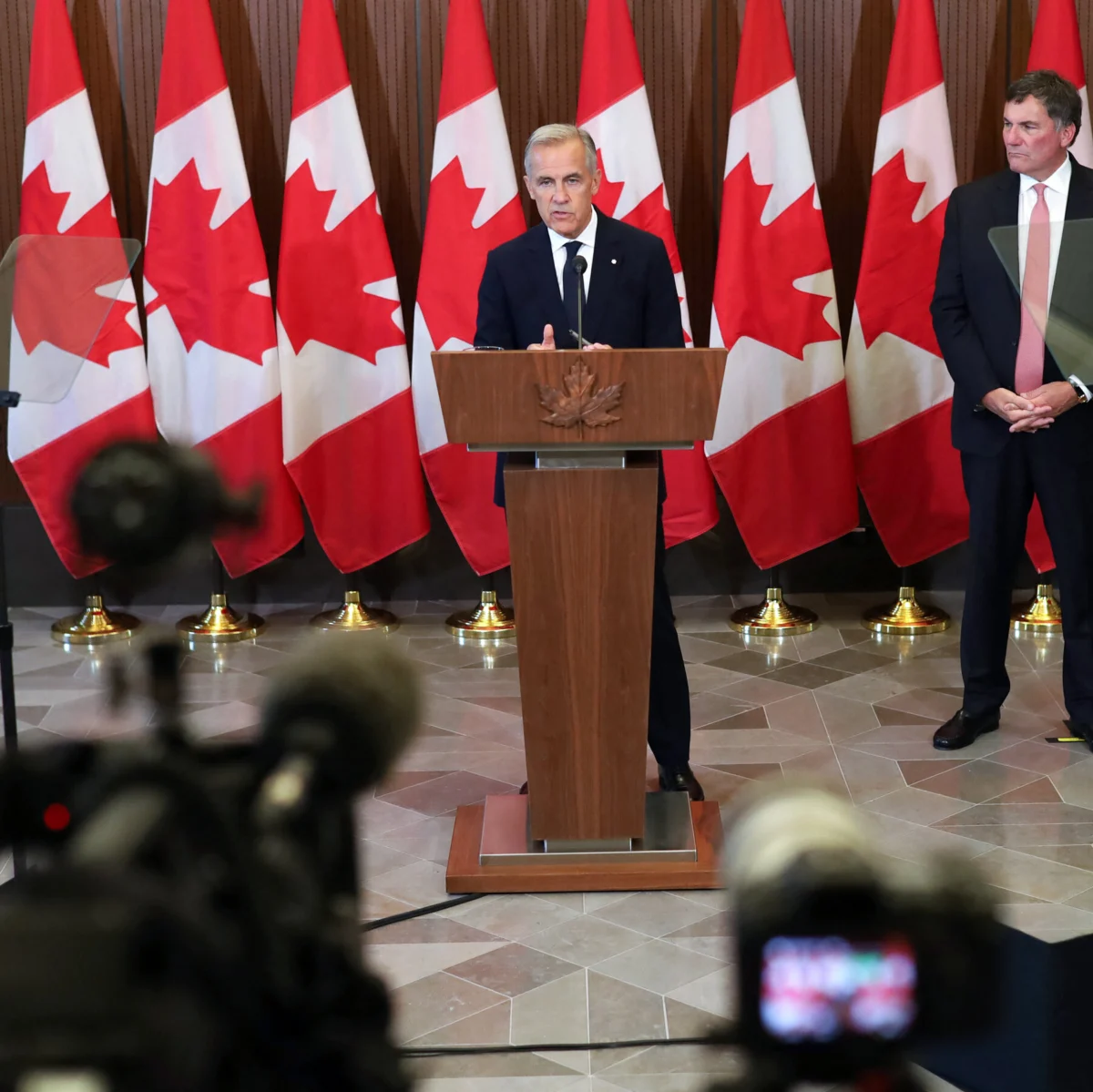
Prime Minister Carney has secured the backing of Canadians for his decision to withdraw from trade negotiations with the United States. This support comes amidst what is described as a U.S.-Canada trade war, which has galvanized public opinion. However, the path forward for restarting these crucial talks remains a significant challenge.
The current situation highlights a period of intense trade friction between the two nations, leading to the Canadian prime minister’s strategic move to halt discussions. While this action has garnered widespread support domestically, the long-term implications and the eventual resumption of dialogue are critical points of consideration.
Key Facts
- Canadians support Prime Minister Carney regarding President Trump.
- A U.S.-Canada trade war has unified Canadians behind their prime minister.
- Carney decided to walk away from trade negotiations.
- The question remains about restarting trade talks.
The Standoff and Public Support
The U.S.-Canada relationship is currently characterized by a trade war, which has become a significant focal point in Canadian politics. This ongoing conflict has led to a notable unification among Canadians in support of their Prime Minister, Carney. The public’s backing stems from his decision to disengage from ongoing trade negotiations with the United States, a move seen as a firm stance in the face of economic pressures.
This widespread support underscores a national sentiment perhaps influenced by the perceived economic challenges or disputes with the U.S. government. The Prime Minister’s action to step away from the negotiating table appears to have resonated positively with the Canadian populace, strengthening his position domestically. This unity could be a strategic asset for the Canadian government as it navigates complex international relations.
What Happens When Talks Restart?
While the immediate aftermath of Prime Minister Carney’s decision has been marked by strong domestic support, the inevitable question centers on the future resumption of trade negotiations. The current suspension of talks is a temporary measure, and a point will arrive when discussions between the U.S. and Canada will need to restart. This phase presents its own set of challenges, potentially testing the resolve and unity currently observed.
The conditions under which these talks resume, and the strategies employed by both sides, will be crucial. The initial withdrawal from negotiations by Canada suggests a desire to reset the terms or leverage its position. However, the dynamics of a restart could differ significantly from the conditions that led to the initial walkout, requiring careful diplomatic navigation to achieve a beneficial outcome for Canada.
What We Know — and What We Don’t
Verified by the source:
- Prime Minister Carney has the support of Canadians regarding President Trump.
- The U.S.-Canada trade war has galvanized Canadians.
- Carney decided to withdraw from negotiations.
- There is uncertainty about when trade talks will restart.
Still unconfirmed:
- The specific reasons Carney walked away from negotiations.
- The precise nature of the U.S.-Canada trade war.
- The timeline for restarting trade negotiations.
- The potential outcomes or demands from either side for future talks.
Why It Matters
The current situation between the U.S. and Canada, marked by a trade war and halted negotiations, has significant implications for both economies and their international standing. The prime minister’s decision, backed by national support, reflects deep-seated concerns that could affect trade relationships, supply chains, and economic stability. The eventual resolution of these issues will shape future bilateral relations and potentially set precedents for other international trade disputes.
What To Watch
Future developments will likely focus on any indications of a possible restart to trade negotiations and the conditions under which these talks might proceed.