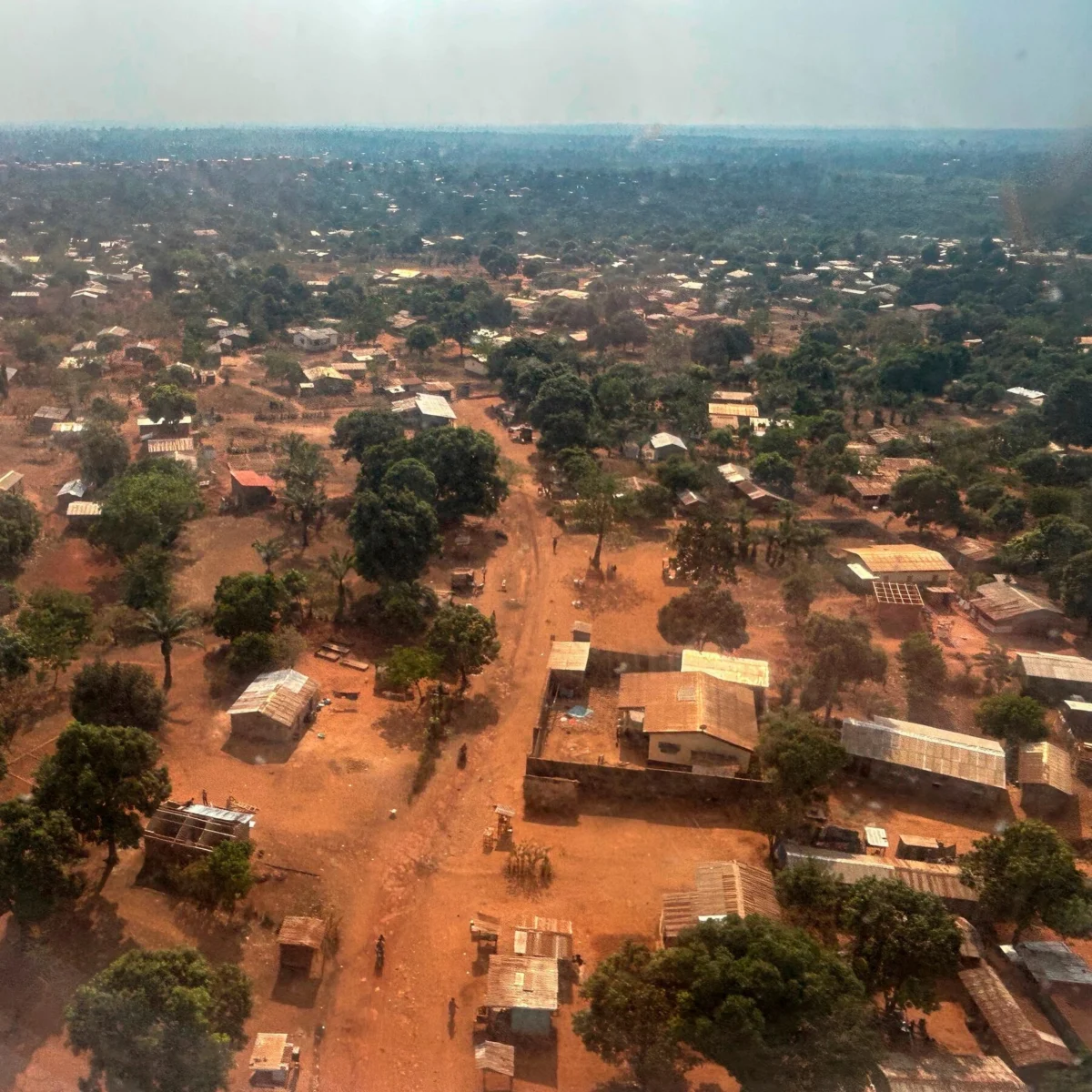
Relatives of Afghans who aided the U.S. military have been deported to the Central African Republic under the Trump administration’s immigration policies. The latest deportation flight carried dozens of immigrants to a country where they reportedly have no ties, continuing a pattern criticized for its humanitarian implications.
The deportations highlight ongoing concerns about the treatment of vulnerable populations, including those with connections to U.S. military operations abroad. The Central African Republic, a nation with a history of instability, is an unusual destination for deportees from the U.S.
KEY FACTS
- The Trump administration deported dozens of immigrants on the latest flight to the Central African Republic.
- Among those deported were relatives of Afghans who assisted the U.S. military.
- Many deportees reportedly have no ties to the country they were sent to.
- Thousands of immigrants have been deported under this policy.
WHO IS AFFECTED?
The deportations primarily impact individuals with no apparent connections to the countries they are sent to, raising legal and ethical concerns. Those deported include families and individuals who may have sought refuge or asylum in the U.S. The specific circumstances of the Afghan relatives deported in this case remain unclear, but their deportation suggests a broader enforcement approach.
HOW DID WE GET HERE?
The Trump administration has prioritized aggressive immigration enforcement, including deportations to countries beyond an individual’s origin. Critics argue that such policies disregard international norms and humanitarian considerations. The selection of the Central African Republic as a deportation destination is particularly unusual, given its political and security challenges.
WHAT WE KNOW — AND WHAT WE DON’T
Verified by the source:
- The Trump administration has deported thousands of immigrants under this policy.
- Dozens were on the latest flight to the Central African Republic.
- Some deportees are relatives of Afghans who worked with the U.S. military.
Still unconfirmed:
- The exact number of Afghan relatives on the flight.
- The legal basis for deporting individuals to countries with no ties.
- Whether deportees were given an opportunity to contest their removal.
WHY IT MATTERS
This case underscores broader debates about U.S. immigration policy, particularly regarding the treatment of vulnerable groups, including those with ties to U.S. military operations. Deportations to unstable or unfamiliar regions can have severe humanitarian consequences, raising questions about due process and international obligations.
WHAT TO WATCH
Future deportation flights and potential legal challenges to this policy will be critical in determining its long-term viability. Advocacy groups may push for greater transparency and accountability in deportation decisions. For more on immigration policy developments, see our politics coverage.