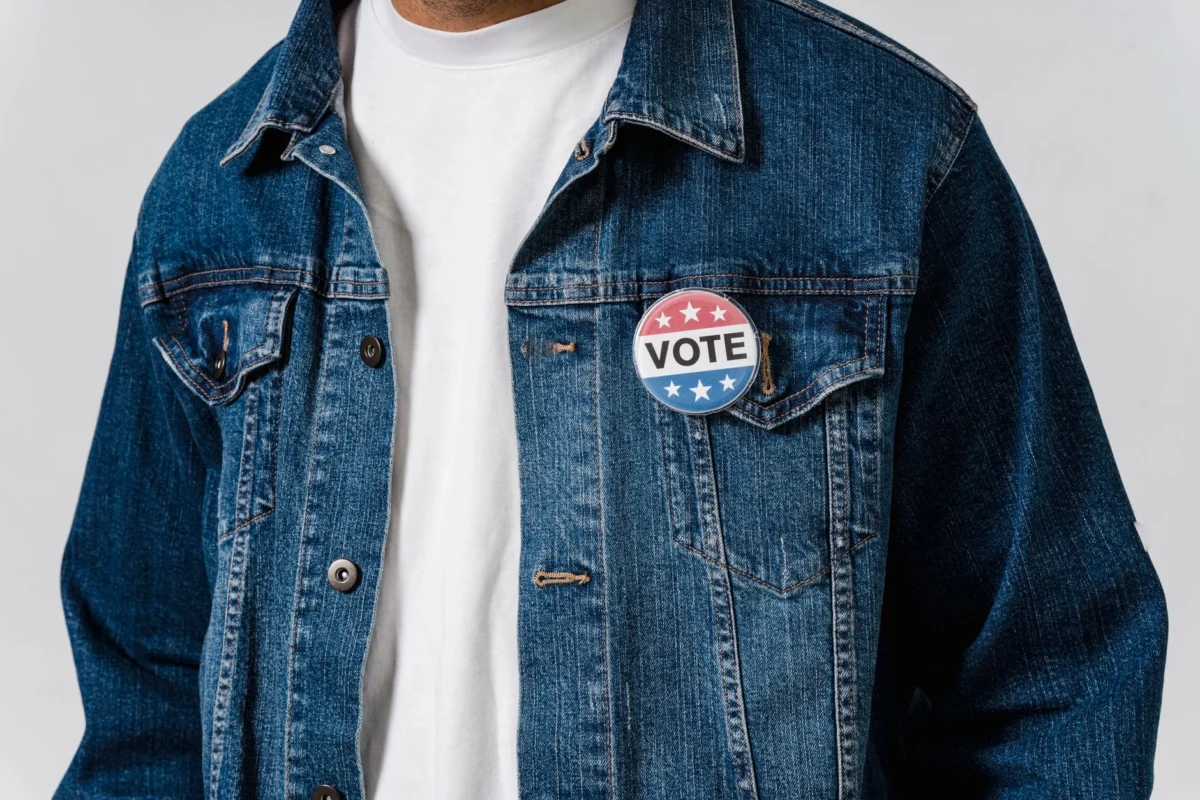
Many social media influencers are being paid to post political content without disclosing those payments to their audiences, a practice that has become widespread but often remains hidden from viewers.
According to NYT > Top Stories, influencer videos promoting political messages have proliferated across platforms like TikTok, Instagram, and YouTube. However, financial arrangements behind these posts are frequently undisclosed, raising concerns about transparency and potential misinformation.
KEY FACTS
- Influencers are increasingly posting political content on social media.
- Many are paid for these posts but do not disclose payments to viewers.
- Payments are often hidden behind partnerships with political campaigns or advocacy groups.
HOW WIDESPREAD IS THIS PRACTICE?
The trend appears to be growing, with influencers amplifying political narratives without clear labeling of sponsored content. While some platforms require disclosure of paid promotions, enforcement is inconsistent. The lack of transparency makes it difficult for viewers to distinguish between genuine opinions and paid endorsements.
WHY IS THIS A PROBLEM?
Undisclosed paid political content can mislead audiences, who may not realize they are viewing promotional material rather than authentic opinions. This blurs the line between organic content and advertising, potentially distorting public discourse. Regulatory bodies have yet to establish clear rules for political influencer marketing.
WHAT WE KNOW — AND WHAT WE DON’T
Verified by the source:
- Influencers are posting political content on major social media platforms.
- Many receive payments for these posts without proper disclosure.
Still unconfirmed:
- The exact number of influencers involved in paid political promotions.
- Which political groups or campaigns are funding these influencers.
- Whether platforms are taking action to enforce disclosure policies.
WHY IT MATTERS
Transparency in political messaging is crucial for informed public debate. When influencers fail to disclose financial relationships, it undermines trust in online discourse and may influence opinions without viewers realizing they are seeing paid content. This issue raises broader concerns about digital disinformation and manipulation.
WHAT TO WATCH
Regulators and social media platforms may face increasing pressure to address undisclosed political influencer deals. Future enforcement of disclosure rules could shape how political campaigns engage with digital creators.