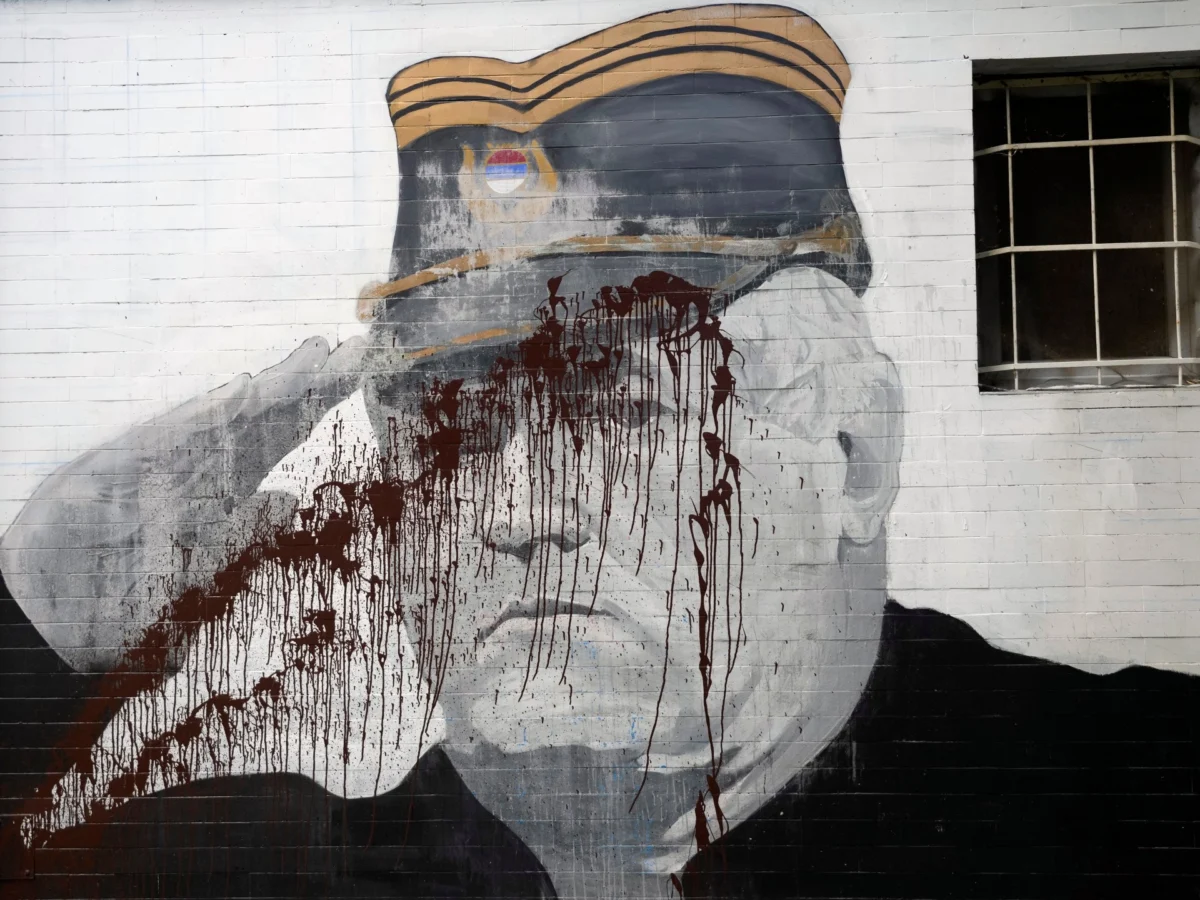
Ratko Mladic, the Bosnian Serb military leader convicted of genocide and war crimes, died believing his fight for fascism had succeeded, according to an opinion piece published by Al Jazeera. The article posits that Mladic viewed his actions as a victory, despite his legal conviction and imprisonment.
KEY FACTS
- Ratko Mladic died believing he had achieved his goal.
- The opinion claims he fought for fascism and saw it triumph.
- The source is an opinion piece, not a news report.
THE STORY
What does the opinion argue?
The Al Jazeera opinion piece asserts that Mladic, despite being convicted by the International Criminal Tribunal for the former Yugoslavia, died a happy man because he believed his efforts to establish a fascist ideology had prevailed. The article does not provide direct evidence of Mladic’s personal feelings but frames his actions and their aftermath as a victory for his ideological cause.
Who was Ratko Mladic?
Ratko Mladic was a Bosnian Serb military leader during the Yugoslav Wars in the 1990s. He was found guilty of genocide, crimes against humanity, and war crimes, including the massacre at Srebrenica, where more than 8,000 Bosniak men and boys were killed. Mladic was arrested in 2011 after years in hiding and sentenced to life imprisonment in 2017.
WHAT WE KNOW — AND WHAT WE DON’T
- Verified by the source: The opinion piece states Mladic died believing his fight for fascism succeeded.
- Still unconfirmed: Whether Mladic expressed these sentiments explicitly; the broader political impact of his actions beyond his conviction.
WHY IT MATTERS
The assertion that Mladic died convinced of his victory raises troubling questions about accountability and the legacy of fascism in post-conflict societies. While international justice convicted him, the claim that his ideology persists challenges perceptions of justice and reconciliation in the Balkans.
WHAT TO WATCH
Further historical and political analysis may explore whether fascist ideologies linked to Mladic’s actions continue to influence the region. Given this is an opinion piece, reactions from historians or regional experts could provide additional context.