LEDE
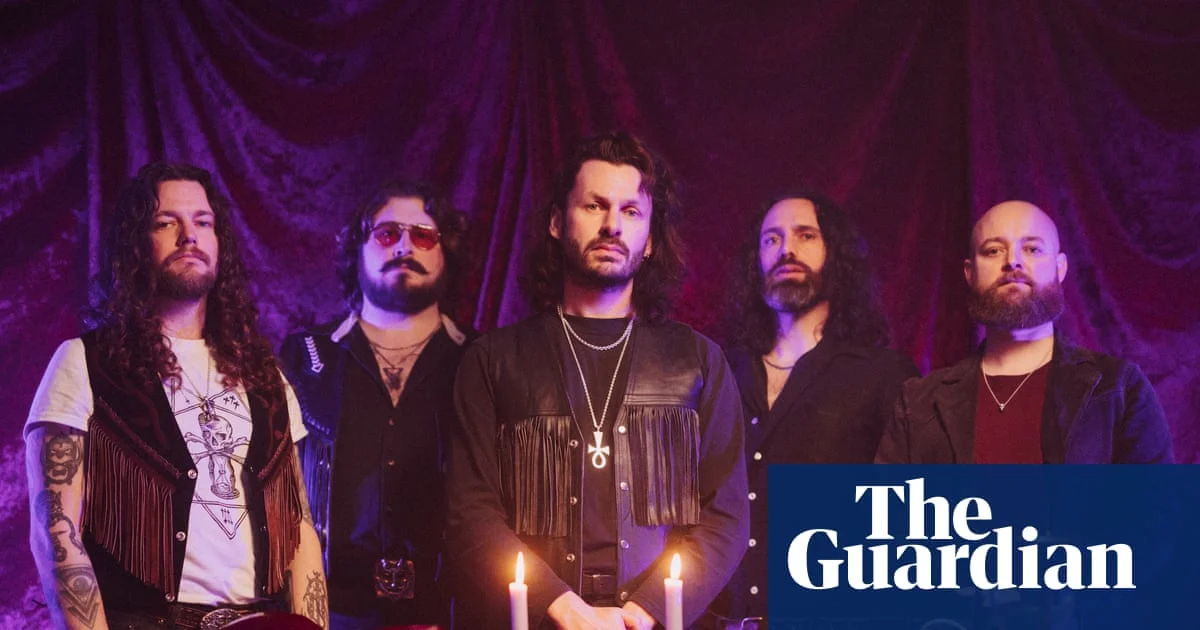
British heavy metal is returning to its folk roots, with bands like Green Lung channeling dark mythology and 80s influences into a modern folk horror sound. Their latest album, Necropolitan, draws on London’s Victorian-era cemeteries and the Necropolis Railway.
Fronted by Tom Templar, the band immerses itself in British folklore rather than generic genre tropes. Behind Templar during a recent video call was a poster for the 1973 cult film The Wicker Man—a fitting symbol for the mood their music evokes.
KEY FACTS
- Green Lung’s fourth album Necropolitan is inspired by London’s Magnificent Seven cemeteries and the Necropolis Railway.
- The band’s sound echoes 80s acts like Witchfinder General and Pagan Altar.
- Singer Tom Templar claims metal has evolved into a form of folk music over the past two decades.
- At Desertfest in London, Green Lung merch felt like an unofficial uniform among attendees.
- Their lyrics avoid generic demons, instead drawing on Fairport Convention-style storytelling.
The Sound of Folk Horror
The Guardian notes that Green Lung’s music is “rooted in 80s bands such as Witchfinder General and Pagan Altar,” both of whom helped define early occult and doom metal. These acts leaned heavily into atmospheric songwriting and mythic imagery—an approach that feels revived in today’s folk horror metal trend.
This shift away from abstract darkness toward earthier, more localized stories gives the music a distinctly British character. Rather than relying on fantasy or sci-fi themes, these groups dig into real historical and cultural soil.
Who Is Affected by This Shift?
Fans of underground metal are embracing this change, especially younger audiences seeking authenticity over spectacle. Festivalgoers at events like Desertfest have been spotted wearing Green Lung shirts en masse, suggesting a strong grassroots following.
Templar sees this as part of a broader movement. “Heavy metal has become a form of folk music,” he says, adding that both forms rely on recurring motifs and reworkings of older themes. He believes metal’s festival culture mirrors folk traditions in its intimacy and diversity.
How Did We Get Here?
The rise of folk horror in cinema—think The Wicker Man or Midsommar—has had a ripple effect across genres, including music. In metal circles, this translates to lyrical content rooted in local legends, pagan rites, and forgotten histories.
Bands like Druidess also contribute to this resurgence, though details vary widely depending on release. What unites them is a rejection of globalized tropes in favor of storytelling grounded in place and history.
WHAT WE KNOW — AND WHAT WE DON’T
Verified by the source:
- The Guardian reports Green Lung’s album Necropolitan is inspired by 19th-century London cemeteries and transport systems.
- Witchfinder General and Pagan Altar are cited as influential acts from the 1980s.
- Tom Templar compares heavy metal evolution to folk traditions.
- Glastonbury Crystal Shop reference appears in the summary.
Still unconfirmed:
- Exact release date of Necropolitan not provided.
- No official sales or chart performance metrics mentioned.
- Other bands explicitly named outside Green Lung and Druidess absent.
- No quotes or comments from other musicians or critics included.
WHY IT MATTERS
This revival matters because it shows how globalized genres can re-root themselves in regional identity. As listeners seek deeper connections, folk-influenced metal offers a bridge between nostalgia and innovation.
WHAT TO WATCH
Fans should watch for further releases from Green Lung and Druidess, which may deepen or diversify this emerging trend.