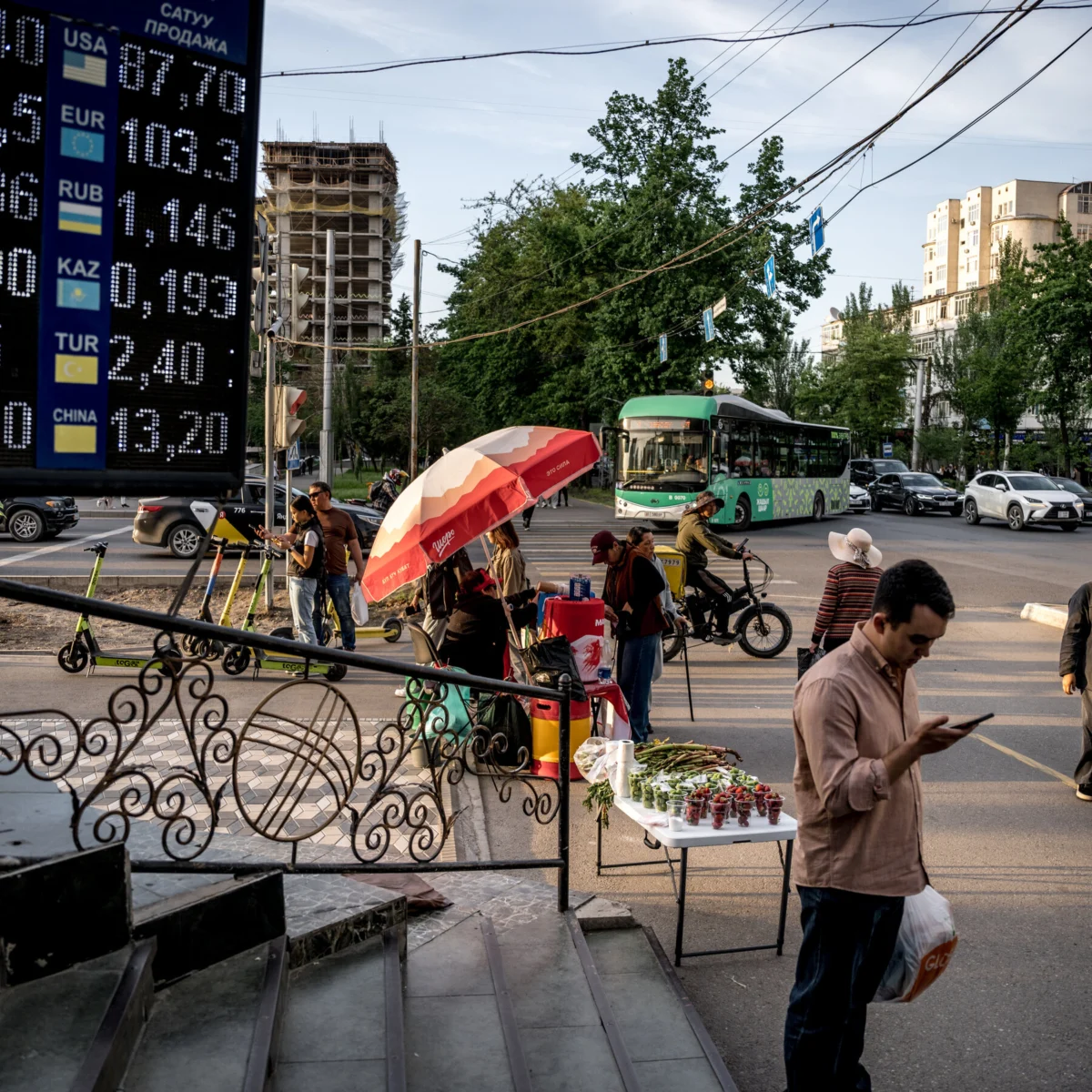
The Kyrgyzstan economy grew by 11 percent last year, partly due to becoming a key conduit for goods flowing into Russia. This surge reflects shifting trade routes and regional economic dynamics linked to the war in Ukraine.
The growth marks one of the strongest annual expansions in recent years for the Central Asian nation, highlighting how external conflicts can reshape local economic fortunes.
KEY FACTS
- 11 percent economic growth in Kyrgyzstan last year
- Growth partly tied to becoming a key conduit for goods into Russia
- War in Ukraine cited as a contributing factor
How Did This Happen?
The Kyrgyzstan economy benefited from increased trade activity as regional supply chains adapted to sanctions and logistical disruptions caused by the war in Ukraine. Businesses rerouted shipments through Central Asian corridors, increasing transit fees and commercial activity in states like Kyrgyzstan.
This shift has transformed smaller economies into vital links between global markets and Russia. The Kyrgyzstan economy, previously reliant on remittances and agriculture, now plays a larger role in transcontinental commerce.
Regional analysts note that trade realignments often create short-term booms in transit nations. However, long-term sustainability depends on infrastructure investment and policy stability.
Who Is Affected By These Shifts?
The Kyrgyzstan economy is not the only one impacted. Other Central Asian nations, including Kazakhstan and Uzbekistan, have also seen changes in trade volume and direction. Consumers in Russia may face higher import costs as goods pass through more intermediaries.
For ordinary citizens in Kyrgyzstan, rising trade activity could mean new jobs and improved public spending. Yet inflation and currency pressures remain risks if growth outpaces domestic capacity.
International investors are watching closely. A stronger Kyrgyzstan economy may attract foreign capital, but geopolitical uncertainty keeps many hesitant to commit long-term funds.
What We Know — and What We Don⟨t
Verified by the source:
- The Kyrgyzstan economy grew by 11 percent last year
- It became a key conduit for goods flowing into Russia
- The war in Ukraine contributed to this economic shift
Still unconfirmed:
- Exact percentage of growth tied specifically to transit trade
- Long-term effects on inflation and public finance
- Policy responses from Kyrgyz or Russian governments
- Impact on employment rates and wage trends
- Data on trade volume increases through border crossings
Why It Matters
Economic ripple effects from the war in Ukraine extend far beyond Europe. Nations like Kyrgyzstan illustrate how global conflicts can unexpectedly boost local economies, even as they expose dependencies on volatile international markets. Understanding these patterns helps readers grasp how distant wars shape daily life and financial stability worldwide.
What To Watch
Future developments will depend on whether current trade flows remain stable. Any major policy changes in Russia, Kyrgyzstan, or international sanctions regimes could alter the trajectory of the Kyrgyzstan economy in the coming quarters.