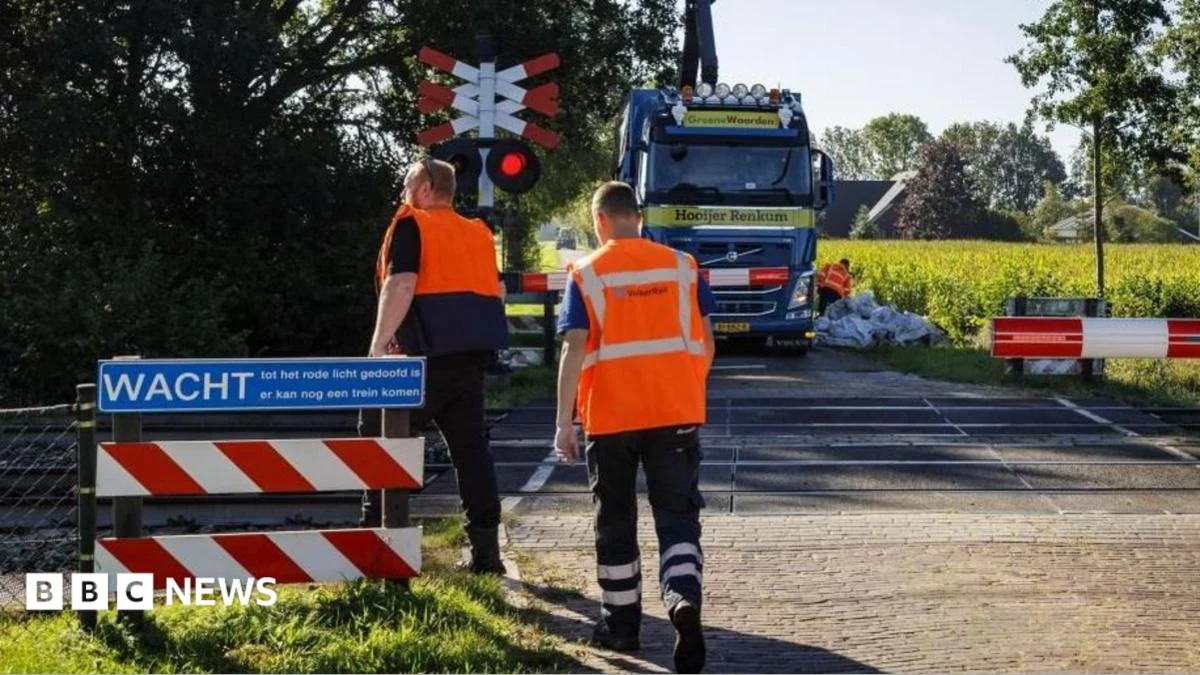
Suspected sabotage caused major rail disruption in the Netherlands on Tuesday after objects were found on tracks at multiple locations, leading to widespread cancellations and delays. Train services were severely affected as authorities responded to the incidents, though no further details about the nature of the objects or the extent of the damage were provided.
The disruption highlights the vulnerability of critical transportation infrastructure and the potential impact of deliberate interference. While investigations are ongoing, it remains unclear how many sites were affected or whether any individuals have been identified in connection with the incidents.
KEY FACTS
- Suspected sabotage caused major rail disruption in the Netherlands.
- Trains were cancelled or delayed on Tuesday.
- Objects were found on tracks at multiple locations.
What Caused the Rail Disruption?
According to BBC News, the disruption began when unknown objects were discovered on railway tracks across several locations in the Netherlands. These objects triggered automatic safety systems that halted train movements, resulting in numerous cancellations and delays throughout the day.
The term ‘sabotage’ suggests the possibility that the objects were placed intentionally, though official confirmation of this remains pending. Rail networks rely on continuous, unobstructed tracks to operate safely, and any foreign object poses a significant risk to both trains and passengers.
Authorities have not disclosed the specific types of objects found or how many incidents occurred. However, the scale of the disruption indicates a coordinated or systematic effort, rather than an isolated event. Investigations are likely to focus on identifying who placed the objects and their motivations.
Who Is Affected by the Delays?
Commuters and travelers across the Netherlands were significantly impacted by the rail disruption on Tuesday. With trains cancelled or delayed, many passengers faced missed appointments, disrupted work schedules, and logistical challenges in reaching their destinations.
The Dutch railway network is one of the busiest in Europe, and disruptions of this scale can have ripple effects on the broader economy. Businesses relying on timely transportation of goods or personnel may experience indirect losses, particularly if the delays extend beyond a single day.
While no injuries have been reported in connection with the incidents, the psychological impact on passengers cannot be overlooked. Concerns about safety and reliability may erode public confidence in the rail system, especially if similar events recur in the future.
What We Know — and What We Don’t
Verified by the source:
- Suspected sabotage caused major rail disruption in the Netherlands.
- Trains were cancelled or delayed on Tuesday.
- Objects were found on tracks at multiple locations.
Still unconfirmed:
- The specific type or number of objects found on the tracks.
- Exact locations or number of affected rail lines.
- Whether authorities have made any arrests or identified suspects.
- The total number of passengers affected or duration of service interruptions.
Why It Matters
This incident underscores the importance of securing critical infrastructure against intentional disruptions. As governments and institutions increasingly depend on interconnected transportation systems, safeguarding these networks becomes essential to maintaining economic stability and public trust. A single act of sabotage can cascade into nationwide consequences, demonstrating how localized threats can quickly escalate into broader societal challenges.
What To Watch
Further updates are expected as authorities continue their investigation into the suspected sabotage. Authorities have yet to release detailed statements or comment on potential suspects.