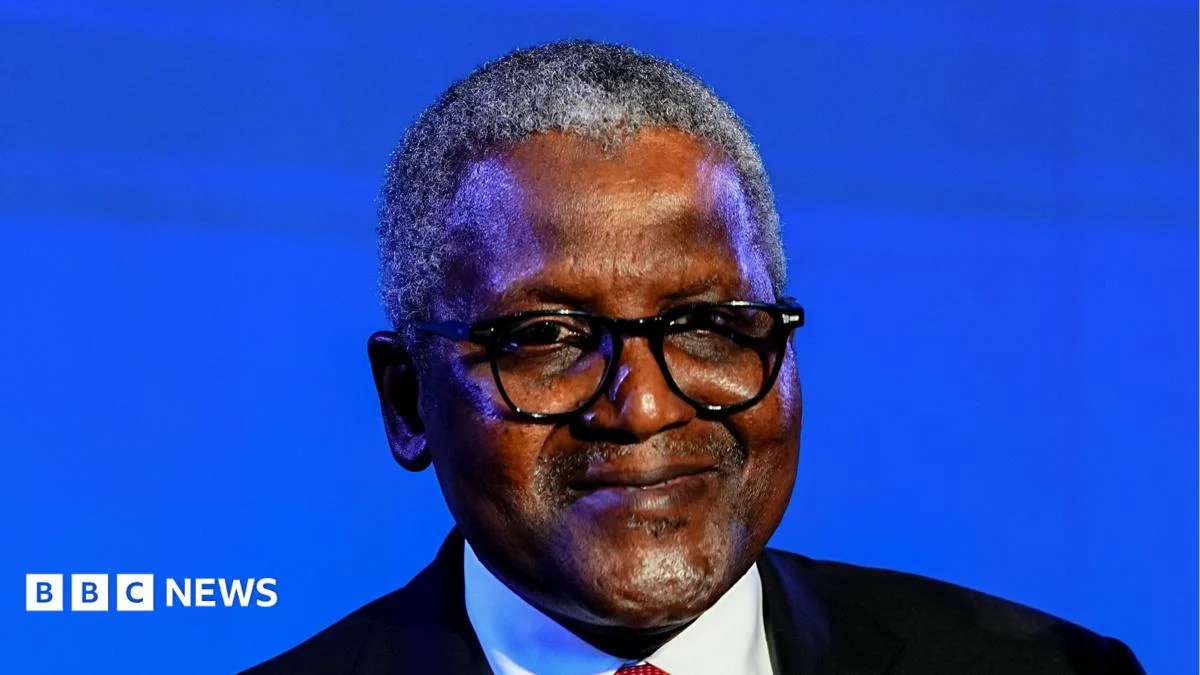
A $660 million fuel pipeline project connecting Ethiopia and Djibouti has secured funding support from one of Africa’s wealthiest individuals. The pipeline is intended to address energy security concerns in landlocked Ethiopia while generating employment opportunities at Djibouti’s port facilities.
The initiative underscores growing regional investment in energy infrastructure, particularly in areas where landlocked nations depend heavily on cross-border transport for fuel imports. The financial backing highlights private-sector involvement in solving public energy challenges across the Horn of Africa.
Key Facts
- The fuel pipeline project is valued at $660 million.
- It will link Ethiopia and Djibouti.
- Fuel pipeline funding includes support from Africa’s richest person.
- The pipeline aims to strengthen Ethiopia’s energy security.
- It is expected to create jobs at Djibouti’s port.
What this means for regional energy supply
The fuel pipeline would provide Ethiopia with a more reliable domestic fuel supply chain. Landlocked countries often face logistical hurdles and higher costs when importing fuel through neighboring ports. By establishing a direct pipeline route through Djibouti, Ethiopia could reduce transit risks and improve fuel distribution efficiency within its borders.
Djibouti already serves as a critical logistical hub for several East African nations. Expanding its port-related activities through this fuel pipeline project may deepen its role in regional energy logistics. The associated job creation points to broader economic ripple effects beyond construction phases.
Who is funding the fuel pipeline?
The summary attributes funding involvement to “Africa’s richest man,” though it does not name him explicitly. His participation signals growing interest among affluent African entrepreneurs in large-scale infrastructural ventures. This kind of private capital injection can accelerate implementation timelines compared to solely state-funded models.
While exact ownership structures remain unspecified, the scale of investment suggests significant confidence in long-term demand for refined petroleum products in both Ethiopia and surrounding markets. Such projects typically require multi-year planning and coordination between governments, which adds layers of complexity but also potential for sustained impact.
What We Know — and What We Don’t
Verified by the source:
- The fuel pipeline project is estimated at $660 million.
- The pipeline connects Ethiopia and Djibouti.
- Affluent African investor supports the fuel pipeline financially.
- Ethiopia’s energy security is expected to improve.
- Jobs will be created at Djibouti’s port facilities.
Still unconfirmed:
- The identity of the African billionaire investor.
- Timeline or projected completion date for the fuel pipeline.
- Specific route details or technical specifications.
- Amount contributed by each party involved.
- Government approvals or regulatory status.
Why It Matters
This fuel pipeline development reflects a wider trend toward cross-border cooperation in addressing energy access gaps across Africa. For Ethiopia, securing stable fuel imports is crucial for powering transportation, industry, and electricity generation. Meanwhile, Djibouti gains an opportunity to diversify its revenue streams beyond traditional toll-based shipping services. These kinds of partnerships could serve as templates for similar initiatives elsewhere on the continent.
What To Watch
Further announcements regarding formal agreements, construction start dates, and final investment disclosures may clarify the project’s trajectory and confirm the level of ongoing commitment from all stakeholders.