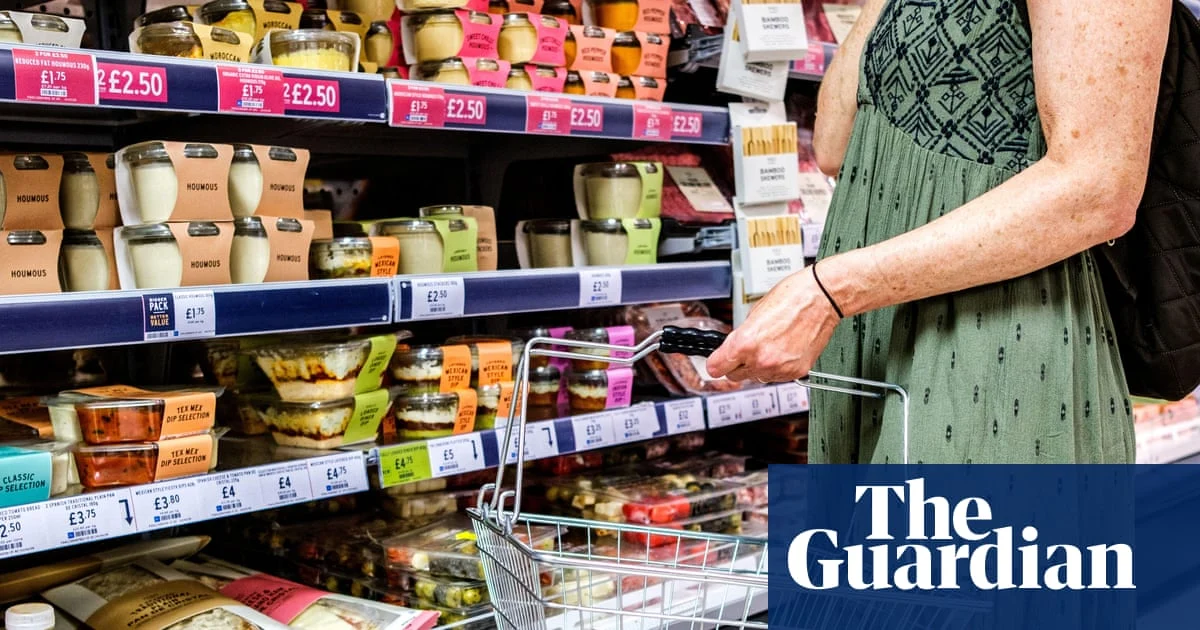
The UK’s food and drink trade deficit has reached its highest level since 2000, climbing to more than £21bn, according to Business | The Guardian. Industry leaders say the widening gap is a wake-up call for the government to safeguard domestic production. A mix of Brexit-related changes, Middle East conflicts, and US tariffs has weakened export performance while import costs have surged.
Key Facts
- The UK’s food and drink trade deficit has exceeded £21bn, its highest since 2000.
- Brexit, Middle East conflict, and US tariffs are cited as key factors affecting exports.
- Imports rose while exports fell, widening the trade gap.
- Industry leaders urge government action to protect homegrown produce for national security.
What drives the rising deficit?
Multiple pressures have combined to push the UK’s food and drink trade deficit to its highest level in over two decades. Brexit-related regulatory shifts have complicated export processes, increasing costs and delays for British producers. At the same time, the war in the Middle East has disrupted supply chains and inflated import prices. US tariffs have further squeezed export margins, making UK goods less competitive abroad. Together, these factors have depressed overseas sales while pushing up the cost of imported inputs and consumer goods.
How did we get here?
The current deficit reflects a convergence of geopolitical and policy-driven shocks. Since leaving the EU, UK food exporters have faced new checks and paperwork when trading with European markets, historically a major destination for British produce. Disruptions from the Middle East conflict have sent food commodity prices higher, while US-imposed tariffs have limited access to key international buyers. These structural changes come on top of long-standing challenges in scaling UK food production to meet both domestic demand and export ambitions.
Who is affected?
British food and drink producers face tighter margins as export revenues decline and input costs rise. Consumers may experience higher prices as import costs feed through to supermarket shelves. Rural communities that depend on agricultural exports are particularly exposed, as are processing sectors reliant on imported raw materials. The government is under pressure to respond with policies that support domestic farming and protect strategic food supplies.
What We Know — and What We Don⟨t
Verified by the source:
- The UK food and drink trade deficit exceeded £21bn, the highest since 2000.
- Brexit, the Middle East war, and US tariffs are identified as contributing factors.
- Imports increased while exports declined, widening the gap.
- Industry leaders have called on the government to protect homegrown produce for national security reasons.
Still unconfirmed:
- Exact quarterly or annual trade figures behind the £21bn total.
- Which specific products or trading partners drove the change.
- Specific policy responses the government may consider.
- Named individuals or organizations behind the industry calls for action.
Why It Matters
A sustained food and drink trade deficit raises questions about the UK’s economic resilience and food security. Reliance on imports for essential goods can leave the country vulnerable to external shocks, as seen during global supply chain crises and conflicts abroad. Protecting domestic production is increasingly framed as a matter of national security, not just economics.
What To Watch
The government has yet to announce specific measures in response to the deficit. Further details on trade data releases and potential policy interventions are expected in coming weeks.
The UK’s food and drink trade deficit has exceeded £21bn, its highest since 2000, driven by Brexit, Middle East conflict, and US tariffs, according to Business | The Guardian.