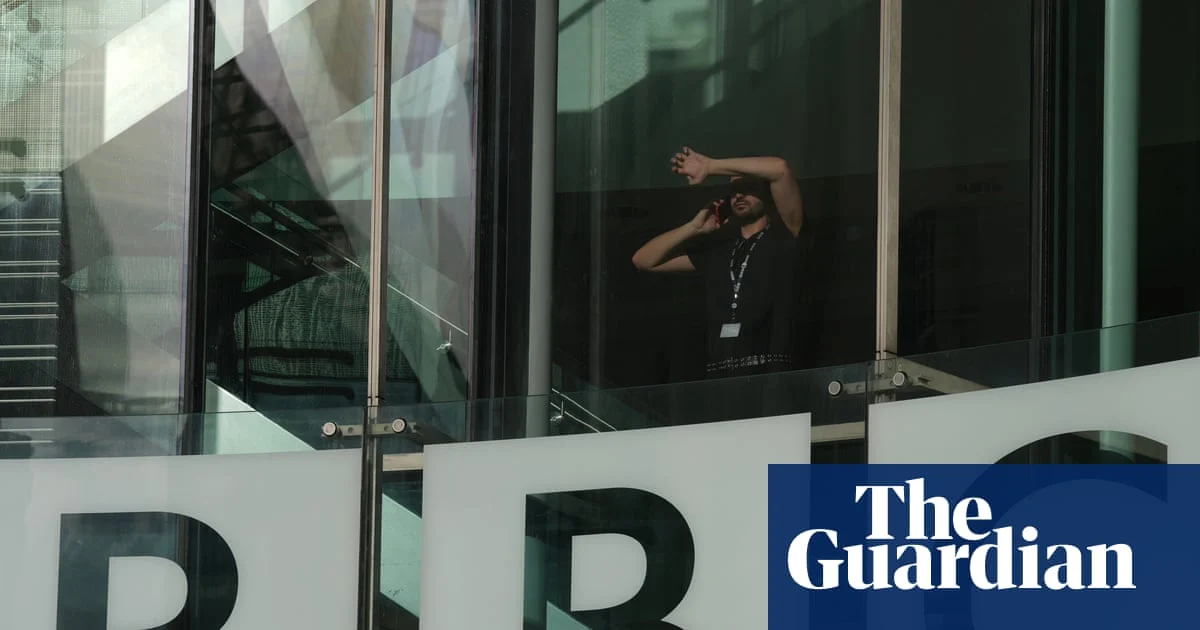
The BBC faces escalating financial pressure that could trigger a so-called ‘doom spiral’ of endless cuts and weakening public support for its services, according to a warning issued by a union representing BBC staff. The broadcaster is under scrutiny as it prepares for a £500 million savings plan that includes reducing local specialist correspondent positions and may lead to the closure of some TV and radio services.
Insiders anticipate further announcements in the coming weeks as the organisation grapples with its cost-saving goals. Morale among BBC employees is reportedly extremely low, according to Business | The Guardian, which first reported the story. The situation reflects broader challenges facing public broadcasters under fiscal constraint and shifting audience habits.
Key Facts
- BBC risks a ‘doom spiral’ of cuts and declining support, per union warns.
- Cuts include reducing local specialist correspondent roles.
- Plan aims to save £500m across TV and radio services.
- Some TV and radio services may close, insiders say.
- Staff morale reported as extremely low amid slow rollout of cuts.
What’s Behind the Cuts
The proposed £500 million in savings is part of a restructuring effort by the BBC to adapt to a changing media landscape where traditional broadcasting competes with streaming platforms and digital-first outlets. While Business | The Guardian does not specify individual services at risk, the report notes that insider expectations point to possible closures affecting regional programming and niche genres.
Local specialist correspondents provide tailored reporting for geographic areas, often covering community-specific issues overlooked by national broadcasts. Their reduction could reshape how regional news is delivered, especially in smaller markets reliant on public service broadcasting.
These measures follow years of flat licence fee settlements and increased competition. The BBC has previously implemented redundancies and reorganisations while defending its mandate to inform, educate and entertain UK audiences.
Who Is Affected Most?
Reductions in local specialist roles directly impact journalists embedded within communities outside London and other major cities. These positions often serve as the first link between local events and national awareness, particularly during emergencies or civic developments.
BBC staff morale has reportedly suffered as cuts unfold gradually, creating uncertainty about job security and editorial independence. A spokesperson for the union referenced internal discussions indicating fear of repeated reductions without clear long-term strategy, though no official statement was quoted verbatim.
What We Know — and What We Don’t
Verified by the source:
- The BBC plans £500m in savings through cuts.
- Local specialist correspondent roles are being reduced.
- Closures of some TV and radio services are anticipated.
- Staff morale is described as extremely low.
Still unconfirmed:
- No specific services named for potential closure.
- No timeline provided for rollout of cuts.
- Union identity and exact quote content unverified.
- No official BBC response included in the report.
Why It Matters
Public service broadcasters like the BBC play a critical role in ensuring democratic access to news and cultural content beyond commercially driven models. Widespread cuts may limit diversity in programming and erode trust if perceived as compromising quality or impartiality.
What To Watch
Upcoming announcements from the BBC may clarify which services face closure and how many roles will be eliminated. Public reaction and regulatory oversight from Ofcom could influence future decisions around funding and scope.
The proposed restructuring underscores tensions inherent in balancing operational efficiency with editorial breadth — a dynamic closely watched by policymakers and media analysts alike. For now, uncertainty lingers over how deeply these changes will reshape British public broadcasting.