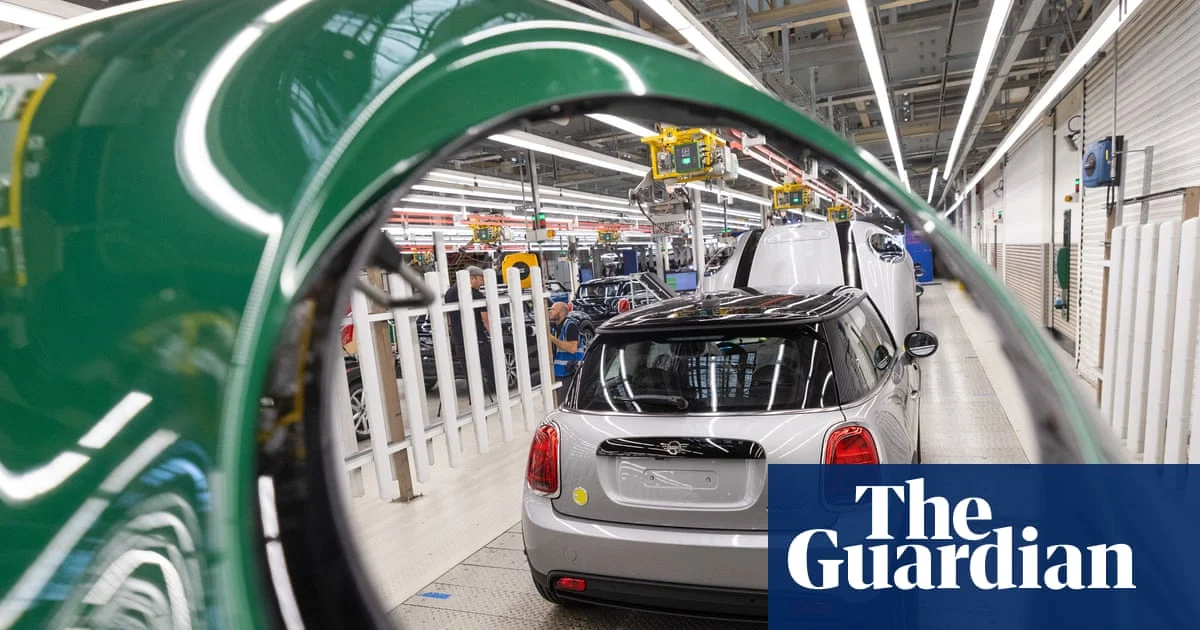
France is pressing the European Union to exclude the United Kingdom from its proposed ‘Made in Europe’ policy, arguing that companies based outside the EU’s internal market should not benefit from protections designed to shield European industry from foreign competition, particularly from China. The stance reflects ongoing tensions over post-Brexit access to EU policies and trade advantages.
French officials argue that the ‘Made in Europe’ initiative — aimed at strengthening domestic production in low-carbon technologies and electric vehicles — should be reserved for nations fully integrated into the EU’s single market framework. This position aligns with broader concerns about maintaining a level playing field while competing globally against state-subsidized industries elsewhere.
A proposal to bar British firms was reportedly brought forward by UK politician Andy Burnham during discussions with European Commission President Ursula von der Leyen at the UN General Assembly. Whether the EU will adopt France’s recommendation remains uncertain as negotiations continue behind closed doors.
Key Facts
- France opposes UK inclusion in the EU’s Made in Europe scheme.
- Only EU internal market members will receive identical protections under the plan.
- British firms may lose out on supplying low-carbon tech and electric car contracts.
- UK official Andy Burnham raised the issue with Ursula von der Leyen at the UN General Assembly.
- The policy targets Chinese competition in strategic sectors.
The Story
What happens next?
The future of the Made in Europe label hinges on how EU institutions balance protectionist goals with international obligations. If France’s call gains traction, British manufacturers could be locked out of lucrative clean energy tenders financed through public funding mechanisms like the Innovation Fund or the Net-Zero Industry Act.
EU lawmakers are expected to debate provisions soon, though details remain fluid. Any decision excluding non-EU countries risks sparking diplomatic friction, especially if Washington or other partners perceive it as discriminatory amid global subsidy competitions.
Who is affected?
British companies involved in battery production, solar panel assembly, wind turbine manufacturing, and EV supply chains stand to lose preferential treatment unless they establish full operations within the EU bloc. That includes firms seeking certification for carbon footprint claims tied to the upcoming Green Deal Industrial Plan.
Consumers in both the UK and continent may see higher prices if cross-border collaboration weakens. Export-dependent economies such as Germany or the Netherlands might also reassess bilateral deals with London depending on outcome.
What We Know — and What We Don’t
Verified by the source:
- France wants the UK excluded from the EU’s Made in Europe initiative.
- The policy is intended to counter Chinese dominance in green industries.
- Andy Burnham discussed the matter with Ursula von der Leyen recently.
- British firms risk losing competitive edge without inclusion.
Still unconfirmed:
- Exact wording or timeline of the final proposal.
- Von der Leyen’s response or commissioner-level endorsement.
- Names of any additional EU countries supporting France’s stance.
- Potential legal or WTO implications of an explicit exclusion clause.
Why It Matters
Excluding the UK from Made in Europe criteria affects access to billions in green investment funding and sets precedent on post-Brexit economic integration. It underscores how geopolitical rivalry — especially with China — influences regional alliance structures and market access rules worldwide.
What To Watch
Future statements from the European Commission regarding formal rollout timelines and eligibility conditions.