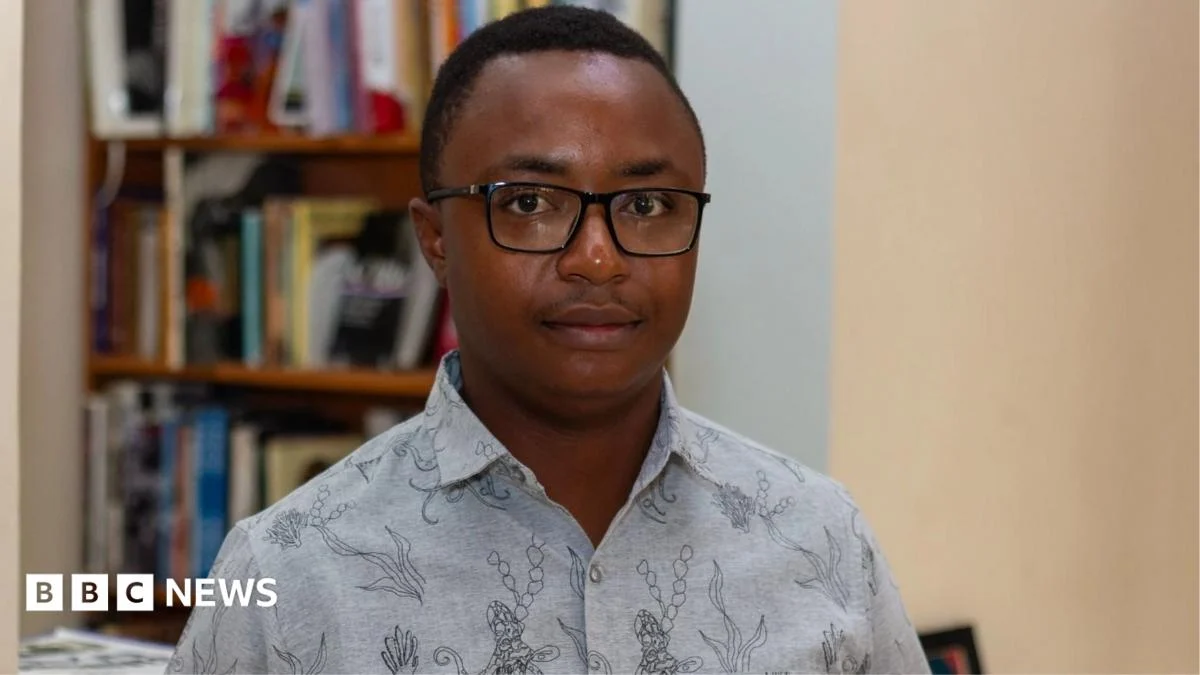
A Zimbabwean author has publicly denied using AI to write a story that won an award. The denial comes amid growing accusations circulating online. The situation has drawn significant attention on social media platforms.
The author, identified as Simbarashe Kundizeza, responded directly to the claims. According to BBC News, the controversy began after questions surfaced about how the award-winning story was created. These questions quickly turned into a heated debate online. The author’s response aimed to clarify the situation, but the backlash continues across digital spaces.
KEY FACTS
- Zimbabwean author denies AI use in award-winning story
- Simbarashe Kundizeza addressed social media uproar over claims
- Accusations sparked widespread attention online
What happened and why it escalated
The story revolves around a literary work that received recognition through an award. After the award was announced, some individuals began questioning whether artificial intelligence played a role in crafting the narrative. These suspicions spread rapidly on social media, where users debated the authenticity of the writing process. The author later stepped forward to counter the rumors, stating he did not rely on AI tools during creation. However, public skepticism remains high, especially given the global rise in AI-generated content concerns.
This incident fits into a broader conversation about authorship and technology. Writers worldwide face increasing scrutiny over whether their output involves machine assistance. In literary circles, traditional notions of creative ownership are being challenged. While many embrace technological advancement, others worry about its impact on originality and human expression. As this case unfolds, it highlights tensions between innovation and integrity within artistic communities.
How did we get here?
Initially, there were no public reports suggesting any irregularity with the award-winning piece. Interest only grew when unverified claims began circulating online. Once social media picked up the story, discussions became polarized. Some supported the author, while others called for transparency regarding his methods. Without concrete evidence either way, the narrative largely relies on conflicting voices rather than documented proof. BBC News reported that the author made his position clear but noted that calls for further investigation persist among certain groups active in the controversy.
What We Know — and What We Don’t
Verified by the source:
– The author is named Simbarashe Kundizeza
– He denied using AI tools to write his award-winning story
– There was an uproar on social media regarding these claims
Still unconfirmed:
– Whether any formal investigation has taken place
– Specific details about the nature of the award or competition
– Names or identities of those who raised initial concerns
– Any official body or organization issuing statements
Why it matters
This episode reflects evolving attitudes toward creativity and technology. As AI becomes more integrated into daily life, expectations around authorship continue to shift. Public trust depends heavily on perceived honesty, particularly when awards and honors are involved. This case could influence future standards governing recognition in literature and arts sectors globally.
What to watch
Further updates may emerge if additional parties speak out or if institutions decide to revisit award criteria. For now, much depends on continued public discourse shaping outcomes.
Zimbabwean author Simbarashe Kundizeza denies AI use in his award-winning story after social media uproar.
Read more in War & Geopolitics and explore related topics at Tech & AI trends.