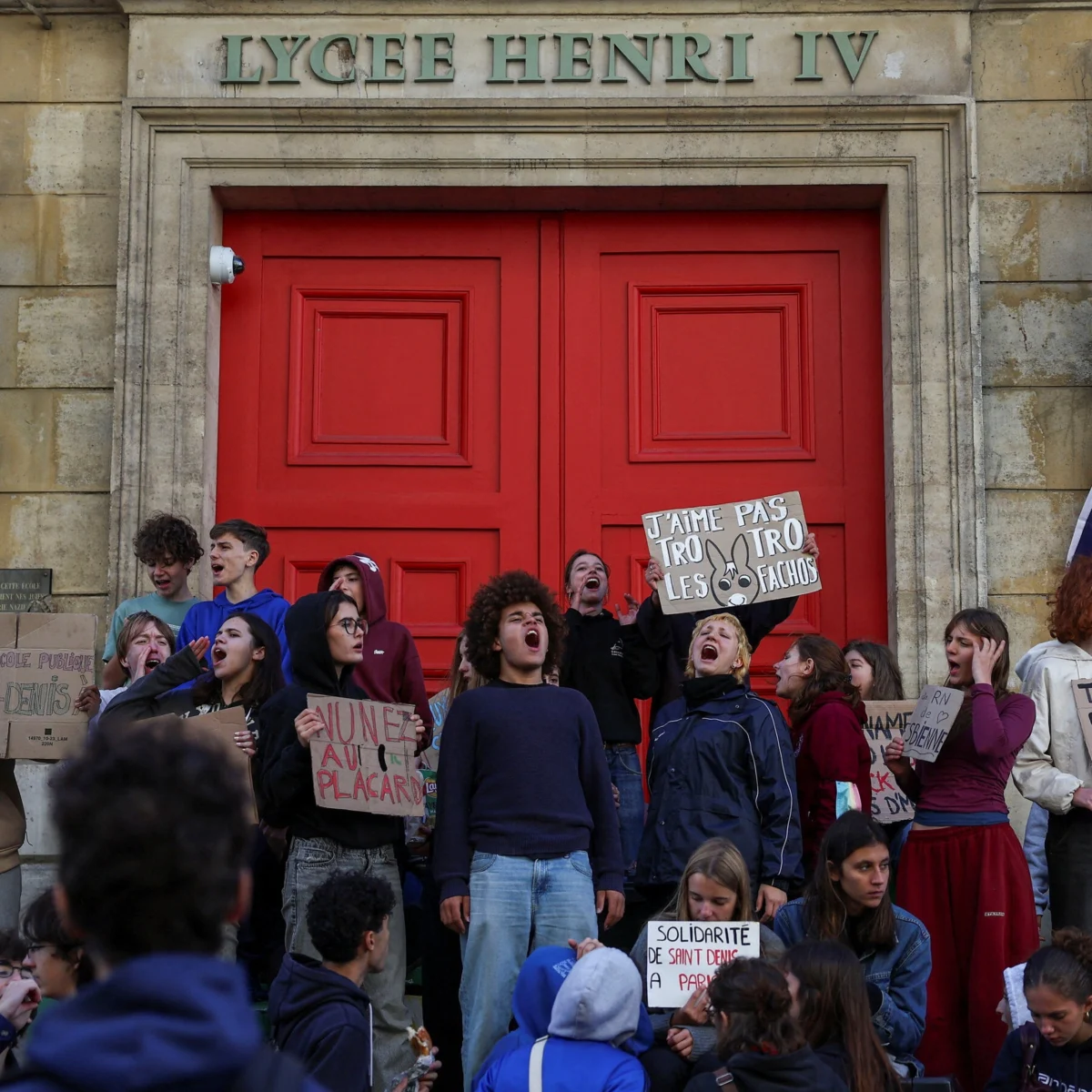
Nearly a decade after first taking office, Emmanuel Macron is set to leave the presidency having overseen a France increasingly strained by economic pressures and social unrest. The nation stands at a fiscal crossroads as his term draws to a close.
The challenges facing France reflect broader global economic trends as well as domestic discontent. While Macron once entered office with ambitious reform agendas, the final phase of his leadership has been marked by rising concerns over public spending and debt.
Key Facts
- Emmanuel Macron has served nearly a decade as French president.
- His term is ending amid significant national tension.
- France is facing mounting fiscal difficulties, described as sliding toward the fiscal brink.
- The country is experiencing widespread protests related to economic policies.
How Did We Get Here?
Macron’s political career began with optimism and reformist intentions, aiming to modernize France’s economy and align it more closely with European Union standards. His early years were marked by labor reforms, tax cuts, and attempts to reduce public sector influence.
However, these measures often triggered strong resistance from labor unions and opposition parties. Over time, the gap between the government and segments of the population widened, contributing to the current atmosphere of tension.
As his presidency progressed, structural economic issues became more pronounced. Rising inflation, energy price shocks, and global supply chain disruptions compounded existing fiscal pressures, pushing public debt to concerning levels.
Who Is Affected?
The economic strain impacts ordinary citizens most directly. Rising living costs have made everyday expenses harder to manage, particularly for lower-income households. Young people face uncertain job markets and housing affordability issues.
Public services may see budget cuts as the government attempts to balance spending. Education, healthcare, and transportation sectors could experience changes in funding or service delivery. Businesses are adapting to shifting consumer demand and regulatory environments.
Political instability affects governance. Parliamentary gridlock might delay critical decisions on budgeting or social programs. Citizens across ideological lines express fatigue over prolonged economic uncertainty.
What Happens Next?
France will hold presidential elections at the end of Macron’s term, determining the next leader’s approach to economic recovery. Campaigns are expected to focus heavily on fiscal responsibility and addressing protester demands.
EU policymakers monitor France closely since its economic health influences regional stability. The future administration must navigate competing priorities—maintaining public support while implementing sustainable financial strategies within EU guidelines.
International observers watch how domestic tensions evolve during the transition period. Any major policy shifts could signal ripple effects throughout Europe’s political landscape.
What We Know — and What We Don’t
Verified by the source:
- Emmanuel Macron’s term as president is concluding.
- France faces economic challenges described as a fiscal brinkmanship scenario.
- Protests continue across the nation amid political tensions.
Still unconfirmed:
- Exact timeline or outcomes of upcoming elections.
- Specific fiscal targets or intervention plans proposed by candidates.
- Official statements from political leaders beyond general reporting.
Why It Matters
Political transitions in major democracies can influence international relations, trade partnerships, and global economic forecasts. How France manages its current fiscal challenges will likely serve as a case study for other nations grappling with similar pressures.
What To Watch
Election results and policy platforms will clarify whether France moves toward stabilization or further reforms. Analysts anticipate continued scrutiny of candidate proposals addressing both immediate concerns and long-term sustainability.