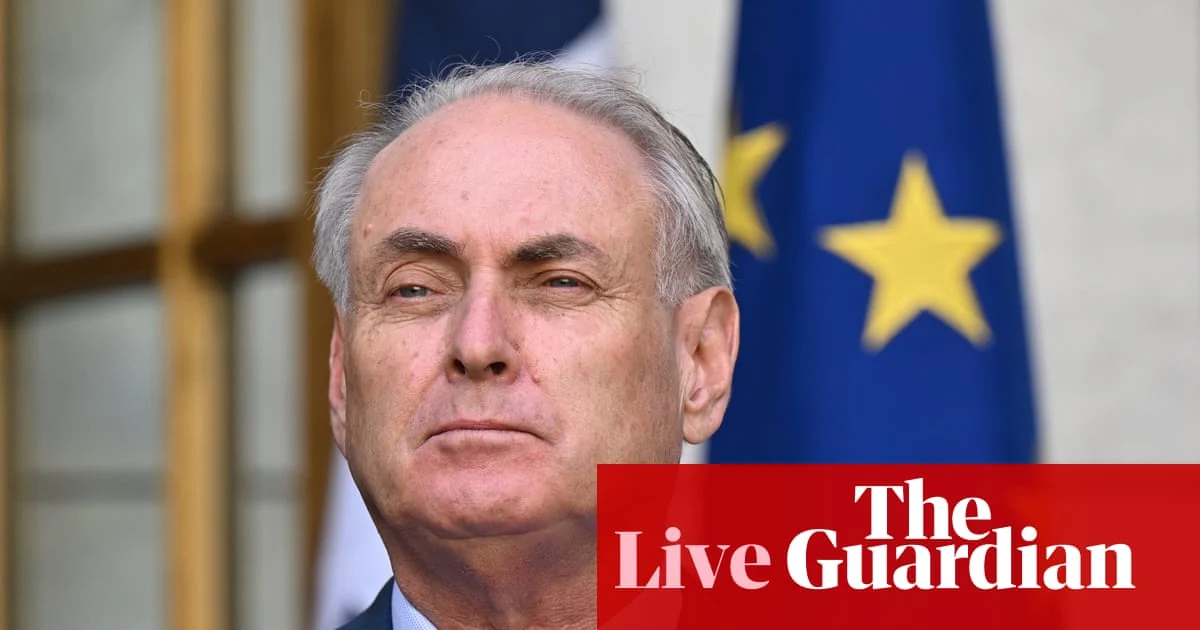
Australian politics heated up as trade ministers faced questions over an EU trade deal meeting and the Reserve Bank reportedly warned staff about pay offers, while the Greens criticised the government over resource taxation and a planned gas reserve scheme. The government is preparing legislation for a gas reserve, as opposition parties highlight unpaid corporate returns and budget pressures.
These developments come as Prime Minister and his Treasurer reportedly clash publicly over economic policy direction, illustrating broader tensions within the governing Labor party and its parliamentary allies.
KEY FACTS
bullets:
- Trade minister says Coalition MPs walked out of an EU trade deal meeting.
- RBA warns staff to accept a pay deal or miss out on benefits.
- Greens claim Australia missing out on roughly $45bn in resource revenue.
- Labor prepares to introduce a bill for a gas reserve scheme.
- Greens criticize government for not taxing corporations fairly.
- Coalition MPs walked out of an EU trade deal meeting, per the trade minister.
- RBA reportedly warned staff to accept a pay deal or miss out.
- Greens cite $45bn in unrealised resource revenue.
- Labor plans to introduce a gas reserve bill.
- Greens argue corporations like Santos and Woodside are not paying their fair share.
- Exact timing or wording of the gas reserve bill.
- Full details of the RBA staff pay warning.
- Specific figures behind the $45bn estimate.
- Names and official roles cited in leadership conflict claims.
The Gas Reserve Bill and Corporate Tax Debate
The government is preparing to introduce a bill for a gas reserve scheme, according to reports. The Greens argue that billions are being left untapped because the government will not properly tax the resource sector.
The party claims that Labor can find billions to support the fossil fuel industry but struggles to make companies pay a fair return. They argue this leaves families unable to afford rent, food, and basic healthcare.
The gas reserve proposal aims to secure domestic energy supplies while balancing corporate interests and budget priorities.
What Happens Next?
Legislative steps for the gas reserve bill have not yet been detailed, but the government signals intent to move forward with the scheme. The Greens continue pressing for stronger corporate taxation alongside the reserve plan.
Trade negotiations with the EU remain under scrutiny, with reports of Coalition MPs walking out of a meeting. Meanwhile, the Reserve Bank’s stance on staff pay deals adds another layer to economic tensions in Canberra.
Leadership Tensions Inside Labor
Reports describe ongoing friction between the Prime Minister and the Treasurer, suggesting internal disagreements over economic policy. The Prime Minister is described as overriding the Treasurer in public settings, souring their working relationship.
Such dynamics raise questions about cabinet cohesion and the broader stability of the government’s economic agenda.
What We Know — and What We Don’t
p
- Verified by the source:
Still unconfirmed:
Why It Matters
This story touches on energy security, corporate accountability, and fiscal policy at a time when many households face rising living costs. How policymakers balance these competing pressures will shape Australia’s economic and political outlook for months ahead.
What To Watch
Observers will watch whether the gas reserve bill advances through parliament and how trade negotiations with the EU develop. Further clarity from the Reserve Bank on pay deals may also emerge soon.