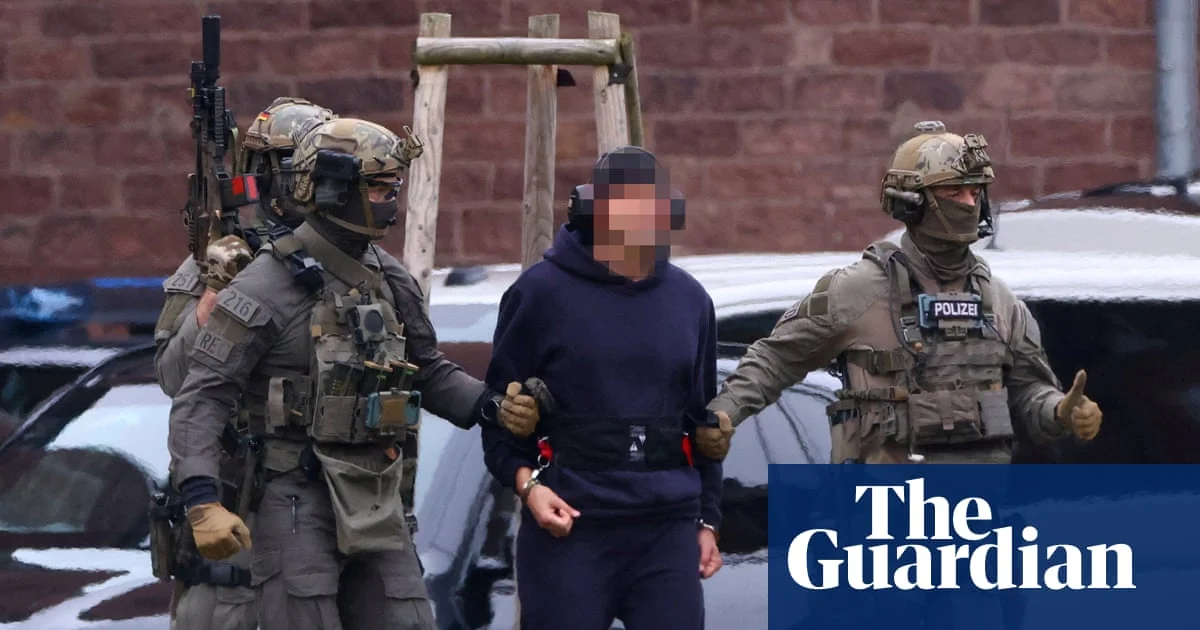
A Ukrainian special forces officer named Serhii Kuznetsov is to go on trial in Hamburg over the 2022 sabotage of the Nord Stream gas pipelines, one of the most brazen acts of sabotage in postwar European history. The case centers on the September 2022 underwater explosions that damaged the Nord Stream pipelines linking Russia and Germany, disrupting energy supplies across Europe. Kuznetsov denies any involvement in the attack, according to reporting by The Guardian.
The charges against Kuznetsov include being an accomplice to war crimes, attacking civilian infrastructure, causing an explosion, damaging property, and disrupting public services. The trial is expected to provide rare public insight into an incident that has been shrouded in mystery since the blasts occurred. European leaders have long sought answers over who was responsible for the Nord Stream sabotage, but few details have emerged publicly until now.
Key Facts
- Serhii Kuznetsov, a Ukrainian special forces officer, is to go on trial in Hamburg.
- He is accused of involvement in the 2022 Nord Stream pipeline explosions.
- The charges include war crimes, attacking civilian infrastructure, and disrupting public services.
- Kuznetsov denies involvement in the Nord Stream sabotage.
- The incident damaged the gas pipelines between Russia and Germany.
What the Charges Mean
The accusations against Kuznetsov relate to the September 2022 detonations that ruptured the Nord Stream gas pipelines, which were designed to carry Russian gas to Germany via the Baltic Sea. These pipelines were a cornerstone of European energy policy before the explosions. The charges allege that Kuznetsov, as part of an active-duty officer in the Ukrainian military’s special forces, contributed to an operation that intentionally targeted civilian infrastructure, a serious breach under international humanitarian law. Prosecutors are framing the sabotage as a war-related crime given its timing during ongoing hostilities between Ukraine and Russia. The trial in Germany is significant because both Ukraine and Russia have denied responsibility for the Nord Stream sabotage, and no country has officially claimed credit. Germany’s decision to prosecute suggests authorities have gathered enough evidence to pursue a case in court, though the specifics of that evidence remain undisclosed. This legal proceeding marks one of the few formal judicial responses to the Nord Stream attack, which has otherwise been the subject of intense speculation and diplomatic tension.
Who Is Affected
The Nord Stream sabotage had immediate and lasting consequences for several countries and communities. Germany, which relied heavily on Russian gas before the incident, was among the most directly impacted nations. The destruction of the pipelines accelerated Germany’s shift toward alternative energy sources and increased dependence on liquefied natural gas imports. European countries that imported or transited gas via the Nord Stream system also faced supply disruptions, contributing to energy price volatility during a period of global economic uncertainty. Ordinary citizens across Europe experienced higher energy costs as markets reacted to the reduced supply infrastructure. For Ukraine, the incident complicated its international image, particularly if the trial results in a conviction. The ongoing conflict between Ukraine and Russia means that questions surrounding the sabotage could influence public opinion, diplomatic relations, and future negotiations. Additionally, international observers and legal experts are watching the trial closely, as it may set precedent for how civilian infrastructure attacks are prosecuted under international law. The broader geopolitical implications extend beyond energy markets, touching on issues of sovereignty, neutrality, and the rules governing modern warfare.
What We Know — and What We Don’t
Verified by the source:
- A Ukrainian soldier named Serhii Kuznetsov is being tried in Hamburg.
- He faces charges related to war crimes and sabotage of civilian infrastructure.
- The trial concerns the 2022 Nord Stream pipeline explosions.
- Kuznetsov denies involvement in the sabotage.
Still unconfirmed:
- The full scope of evidence used by German prosecutors.
- Whether Kuznetsov acted alone or as part of a broader group.
- The exact method used to carry out the Nord Stream sabotage.
- Official acknowledgment or denial of responsibility by any state.
The Nord Stream sabotage remains one of the most consequential and enigmatic acts of sabotage in recent European history. Its trial underscores the legal complexities surrounding conflicts in which civilian infrastructure becomes a target, raising critical questions about accountability and the enforcement of international humanitarian law.
Why It Matters
This trial touches on fundamental issues of international law, energy security, and the conduct of modern warfare. The Nord Stream sabotage disrupted one of Europe’s largest energy supply routes and occurred amid rising tensions between NATO-aligned countries and Russia. How the legal system addresses such an act will likely influence future policies on protecting critical infrastructure during times of conflict. It also reflects the broader challenge of attributing cyber and physical attacks in an era where state and non-state actors operate across blurred lines of engagement.
What To Watch
Further developments in the Hamburg trial may shed light on previously unknown aspects of the Nord Stream sabotage. Legal observers say upcoming hearings could reveal details about intelligence sharing among Western allies and the extent of Ukraine’s involvement in cross-border operations. World news | The Guardian continues to cover this evolving story as new information becomes available.