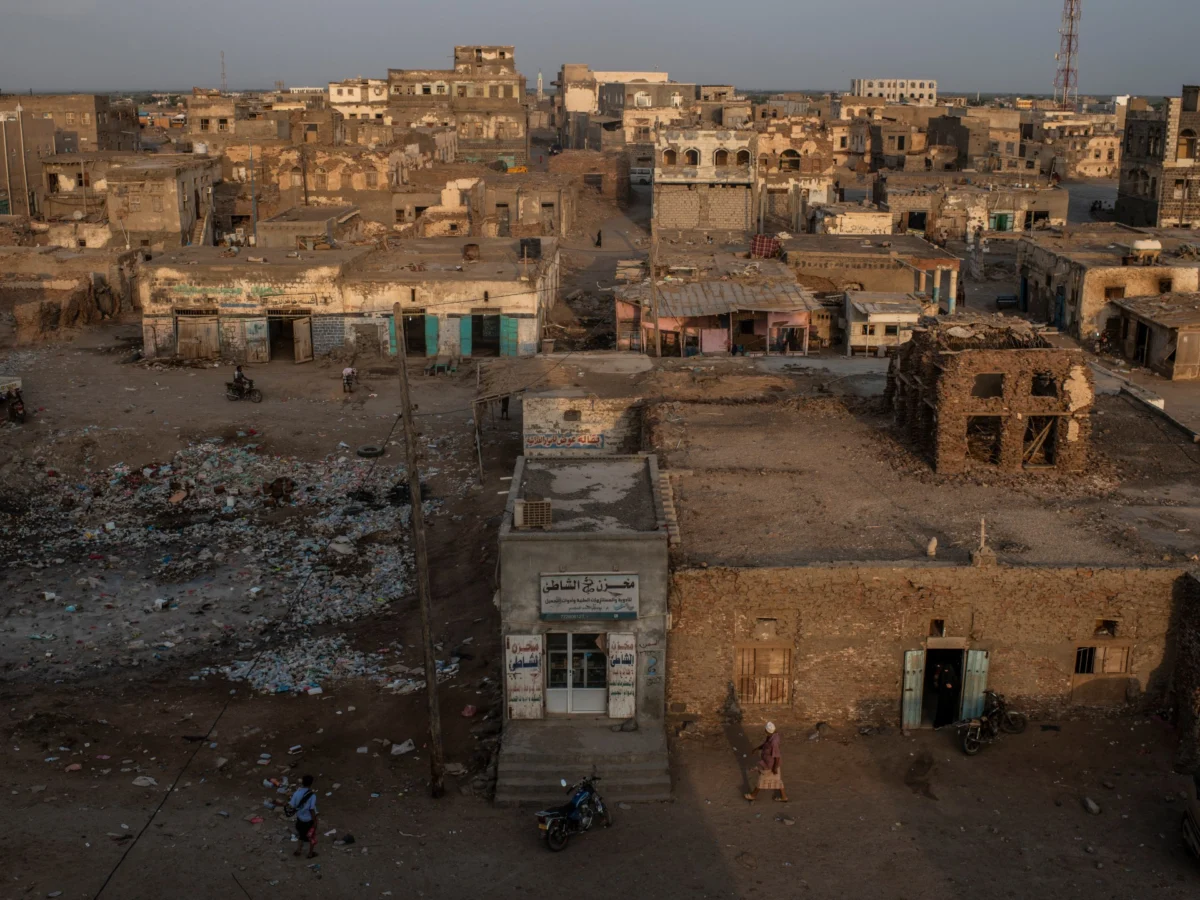
Yemeni government forces said they repelled Houthi attacks in the Taiz governorate as clashes continued across the war-torn southwestern region. The claim comes amid ongoing combat described by officials as intense, with both sides reporting battlefield gains and losses. According to Al Jazeera – Breaking News, World News and Video from Al Jazeera, dozens of Houthis were reported killed during the fighting for control of strategic highlands.
The report underscores the persistent instability in Yemen, where multiple parties have vied for territory since the conflict escalated in 2014. Taiz, long contested, remains a focal point due to its proximity to key supply routes and population centers. Neither side has independently confirmed casualty figures or the full scope of the latest engagement.
Key Facts
- Yemeni forces claim they repelled Houthi attacks in Taiz.
- Battles centered on strategic highlands in the governorate.
- Dozens of Houthis reported killed during the clashes.
- Fighting continues in the southwestern Taiz region.
What Happened in Taiz?
The fighting in Taiz appears focused on control of elevated terrain, which military analysts often describe as tactically significant in mountainous regions. Government forces reportedly defended positions against Houthi attacks, though no independent observers or monitoring groups have verified the claims. Casualty numbers cited by either side typically lack external corroboration, reflecting the broader difficulty of assessing battlefield developments in active conflict zones.
Al Jazeera reported that the Houthis launched coordinated offensives aimed at seizing key highland outposts. These areas offer commanding views over nearby roads and villages, making them valuable for both defensive and offensive operations. Without access to independent reporting or neutral witnesses, however, the veracity of troop movements or outcomes remains unclear.
Who Is Affected by the Clashes?
The civilian population of Taiz and surrounding areas continues to bear the humanitarian cost of the fighting. Displaced families and aid workers report disruption to essential services, including water, electricity, and healthcare. Infrastructure damage compounds long-standing shortages, particularly in regions already strained by years of blockade and economic collapse.
International humanitarian organizations have repeatedly called for de-escalation and unimpeded access to affected communities. However, access constraints and security risks frequently prevent timely delivery of food, medicine, and shelter. The lack of a durable ceasefire leaves residents vulnerable to recurring cycles of violence and displacement.
What Happens Next?
Despite public statements from both sides, no formal negotiations or truces have surfaced to address the latest flare-up. Regional actors and global powers continue diplomatic engagement, though tangible progress on ending hostilities remains elusive. Analysts suggest that without broader political dialogue, localized clashes like those in Taiz are likely to persist.
What We Know — and What We Don’t
Verified by the source:
- Government forces claim to have repelled Houthi attacks in Taiz.
- Battles targeted strategic highlands in the governorate.
- Dozens of Houthis were reported killed in the clashes.
Still unconfirmed:
- Exact timing of the reported Houthi attacks.
- Casualty figures from either side; no independent verification.
- Territorial control status following the engagement.
Why It Matters
The conflict in Yemen has triggered one of the world’s worst humanitarian crises, with millions displaced and millions more facing acute food insecurity. Continued instability in Taiz threatens to deepen suffering for civilians trapped in active combat zones. Monitoring such developments helps inform global awareness and potential humanitarian response efforts.
What To Watch
All parties have yet to provide independently verified details about the recent clashes. Future statements from neutral observers or peace mediators may offer clearer insight into the evolving situation on the ground.