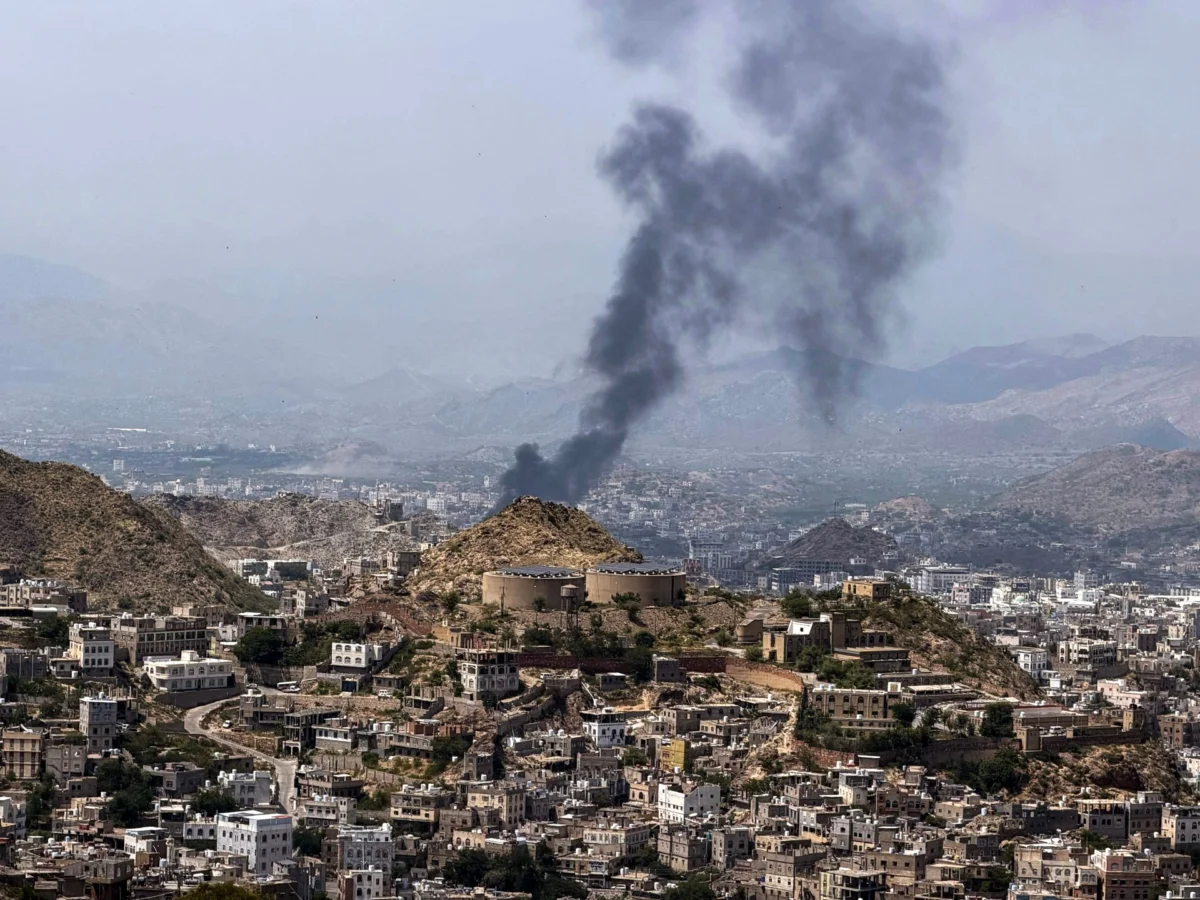
A hospital in Yemen’s Taiz has warned that it could collapse within days due to the ongoing Houthi siege, which has severely disrupted access to essential supplies like fuel, medicines, and oxygen. The warning underscores the growing humanitarian strain on medical facilities operating under protracted conflict conditions.
The situation has already forced reductions in critical treatments, including shorter dialysis sessions for patients who rely on regular care. These measures reflect mounting pressure on healthcare infrastructure that serves a population caught in the crossfire of competing forces.
KEY FACTS
- A hospital in Yemen’s Taiz warns of imminent collapse due to the Houthi siege.
- Severe shortages of fuel, medicines, and oxygen threaten hospital operations.
- Dialysis patients face shorter treatment sessions as supplies dwindle.
What Happens Next?
Without urgent relief, the hospital risks full shutdown, leaving tens of thousands without access to emergency and routine care. Fuel shortages directly impact backup generators needed for life-support systems and refrigeration of medications, while oxygen scarcity endangers surgical procedures and patient stabilization units.
The Houthi siege restricts movement of humanitarian convoys, complicating aid delivery despite international appeals. Medical staff report increasing difficulty securing even basic wound dressings and IV fluids, forcing triage decisions that prioritize only the most acute cases. International organizations have repeatedly called for safe passage for medical supplies, but implementation remains inconsistent amid shifting frontlines and bureaucratic barriers.
Who Is Affected?
Patients requiring ongoing therapies such as dialysis bear the immediate brunt of rationing, enduring reduced session times that elevate health risks. Chronic disease management and cancer treatments have been suspended altogether in some departments, raising long-term mortality concerns among vulnerable populations including children and elderly citizens trapped in the city.
Beyond individual hardship, weakened emergency departments heighten public health threats by limiting capacity to contain infectious disease outbreaks. Maternity wards also operate below standard levels, endangering newborns and mothers during childbirth when complications arise without adequate intervention resources.
WHAT WE KNOW — AND WHAT WE DON’T
Verified by the source:
- The hospital is located in Taiz, Yemen.
- Its administration issued warnings regarding potential collapse tied to supply shortages.
- Shortages cited include fuel, medicines, and oxygen.
- Dialysis treatments have reportedly been shortened.
Still unconfirmed:
- Exact timeline until complete operational failure occurs.
- Total number of patients impacted across departments.
- Identity of specific officials or spokespeople involved.
- Official response from Houthi authorities on siege effects.
- Independent verification of casualty or mortality data linked to delays.
Why It Matters
The deteriorating condition of Taiz’s main hospital reflects broader breakdowns in healthcare delivery under wartime constraints. For millions of civilians enduring protracted conflict, access to functioning medical services often depends on fragile supply chains that are frequently disrupted by blockades, fighting, or administrative dysfunction. As international attention shifts elsewhere, localized crises like this risk fading from global view despite their profound human cost.
What To Watch
Monitor whether humanitarian corridors will open to restore supplies before complete service interruption. Developments may unfold depending on negotiations between warring parties and external pressure applied through diplomatic channels urging unhindered access for medical aid.