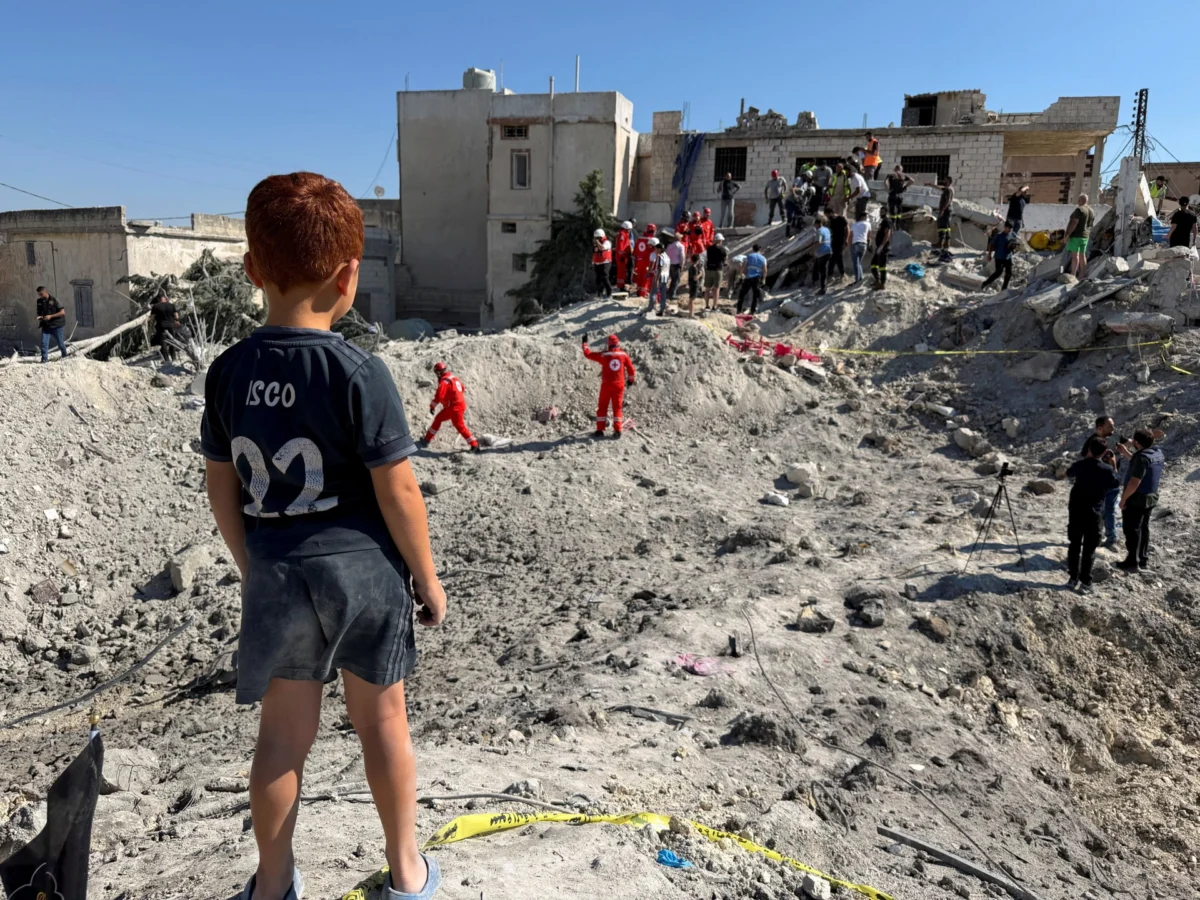
Lebanese residents and analysts are expressing doubt that the outcome of the October 27 Israeli elections will result in any meaningful change in Israel’s policy toward Lebanon, particularly regarding the long-standing occupation of southern Lebanon. While some hold out hope for a shift, many view the vote as unlikely to alter Israel’s regional stance.
The sentiment reflects a broader skepticism rooted in years of stalled negotiations and ongoing tensions along the Israel-Lebanon border. Analysts note that shifts in Israeli domestic politics rarely correlate directly with changes in foreign policy toward neighboring countries.
KEY FACTS
- Lebanese residents remain skeptical about Israeli elections impacting national policy.
- Analysts doubt the October 27 vote will shift Israeli positions on southern Lebanon.
- Long-standing occupation concerns persist despite political developments in Israel.
The Story
Why Does This Matter Now?
The October 27 elections in Israel have drawn attention across the Middle East, including from observers in Lebanon who closely monitor shifts in Israeli governance. However, according to reporting by Al Jazeera, public opinion in Lebanon appears cautious, with little expectation that the vote will produce significant policy changes relevant to Lebanon or its southern territories.
Political analysts cited by Al Jazeera suggest that Israeli electoral cycles often fail to translate into immediate foreign policy adjustments, especially concerning sensitive bilateral relationships like that between Israel and Lebanon. Historical patterns indicate that major policy realignments typically occur only after extended periods of diplomatic engagement or conflict.
For Lebanese citizens living in border areas, the persistent uncertainty surrounding territorial disputes and security arrangements continues to shape daily life. Despite international mediation efforts and UN resolutions, tangible progress remains elusive. As reported, local voices emphasize that rhetoric from new Israeli leadership may offer short-term optimism but lacks clear pathways to de-escalation or resolution.
What Happens Next?
In the days following the election, Lebanese analysts say they will watch closely for any public statements or policy signals from incoming Israeli officials. According to Al Jazeera, past experience has shown that formal declarations of intent rarely lead to immediate action without corresponding diplomatic follow-through.
Regional powers such as the United States and France have historically played mediating roles in Israel-Lebanon relations. Should the newly elected Israeli government signal openness to renewed negotiations, international actors might re-engage to facilitate dialogue. However, Al Jazeera notes that current Lebanese perceptions lean heavily toward skepticism, given prior unmet expectations.
Meanwhile, civil society groups within Lebanon continue advocating for peaceful coexistence and cross-border cooperation. Their efforts remain largely symbolic until concrete steps emerge from formal state channels. For now, Lebanese public discourse remains guarded, balancing hope with realism about the limits of external political transitions.
Verified by the source:
- Residents and analysts in Lebanon express doubt over Israeli election outcomes shifting policy.
- The referenced vote took place on October 27, as reported by Al Jazeera.
- The focus includes concerns related to southern Lebanon and ongoing occupation.
Still unconfirmed:
- Specific names of analysts or officials quoted in the original report.
- Detailed polling data or voter trends from the Lebanese perspective.
- Official responses or policy statements from any Israeli political party post-election.
This story underscores how elections elsewhere can generate fleeting expectations in conflict-affected regions. For ordinary Lebanese, especially those near the southern border, stability often matters more than symbolic gestures from distant capitals. The enduring nature of this dispute ensures it remains tethered to real-world consequences rather than campaign promises.
Stakeholders in the region may find clarity in the weeks ahead as newly formed governments take shape. Until then, Al Jazeera’s coverage highlights the importance of measured responses grounded in historical precedent rather than speculative optimism.
What To Watch
Future statements from the new Israeli administration regarding its approach to Lebanon and border security could influence regional sentiment. Any deviation from established policy frameworks would mark a notable departure requiring close observation.