Skip to content
LIVE
TRADING & CRYPTO Oil Prices Hit Six-Month High as Bitcoin Holds Above $81,000 — 76% verified      ECONOMY & MARKETS UK State Pension Compared to Other Countries — 80% verified      WAR & GEOPOLITICS Australian MP Condition Improves After Alleged Car Attack — 82% verified      WAR & GEOPOLITICS Second Ebola Death Reported in Kenya Tied to First Case — 80% verified      TOP STORIES Massive oil slick seen weeks after tanker struck off UAE’s coast — 86% verified      WAR & GEOPOLITICS Fire at Hitler’s Eagle’s Nest Retreat After Arrest — 80% verified      TOP STORIES Rubio Urges Cubans to Collaborate with CIA Against Government — 88% verified      TOP STORIES Argentina identifies dozens of Dirty War victims through forensic work — 87% verified      WAR & GEOPOLITICS France Deploys 70,000 Police Amid Planned Protest Day — 80% verified      TOP STORIES Yemen Hospital Warns of Collapse Amid Houthi Siege — 86% verified      TRADING & CRYPTO Oil Prices Hit Six-Month High as Bitcoin Holds Above $81,000 — 76% verified      ECONOMY & MARKETS UK State Pension Compared to Other Countries — 80% verified      WAR & GEOPOLITICS Australian MP Condition Improves After Alleged Car Attack — 82% verified      WAR & GEOPOLITICS Second Ebola Death Reported in Kenya Tied to First Case — 80% verified      TOP STORIES Massive oil slick seen weeks after tanker struck off UAE’s coast — 86% verified      WAR & GEOPOLITICS Fire at Hitler’s Eagle’s Nest Retreat After Arrest — 80% verified      TOP STORIES Rubio Urges Cubans to Collaborate with CIA Against Government — 88% verified      TOP STORIES Argentina identifies dozens of Dirty War victims through forensic work — 87% verified      WAR & GEOPOLITICS France Deploys 70,000 Police Amid Planned Protest Day — 80% verified      TOP STORIES Yemen Hospital Warns of Collapse Amid Houthi Siege — 86% verified     
Saturday, October 24, 2026
Updated 4 minutes ago
AI-Verified Global News Intelligence
AI MONITORING ACTIVE
14,107 articles published
Top Stories 87% VERIFIED

Argentina identifies dozens of Dirty War victims through forensic work

Forensic anthropologists have identified remains of at least 38 victims of Argentina's last military dictatorship, known as the Dirty War, according to Al Jazeera.
Top Stories · October 24, 2026 · 56 minutes ago · 2 min read · AI Summary · Al Jazeera – Breaking News, World News and Video from Al Jazeera
87 / 100
AI Credibility Assessment
High Credibility
AI VERIFIED 1/3 claims verified 1 sources cited
Source Corroboration 40%
Source Tier Quality 70%
Claim Verification 50%
Source Recency 90%

Single-source rewrite; limited independent verification; relies on well-known historical context for framing.

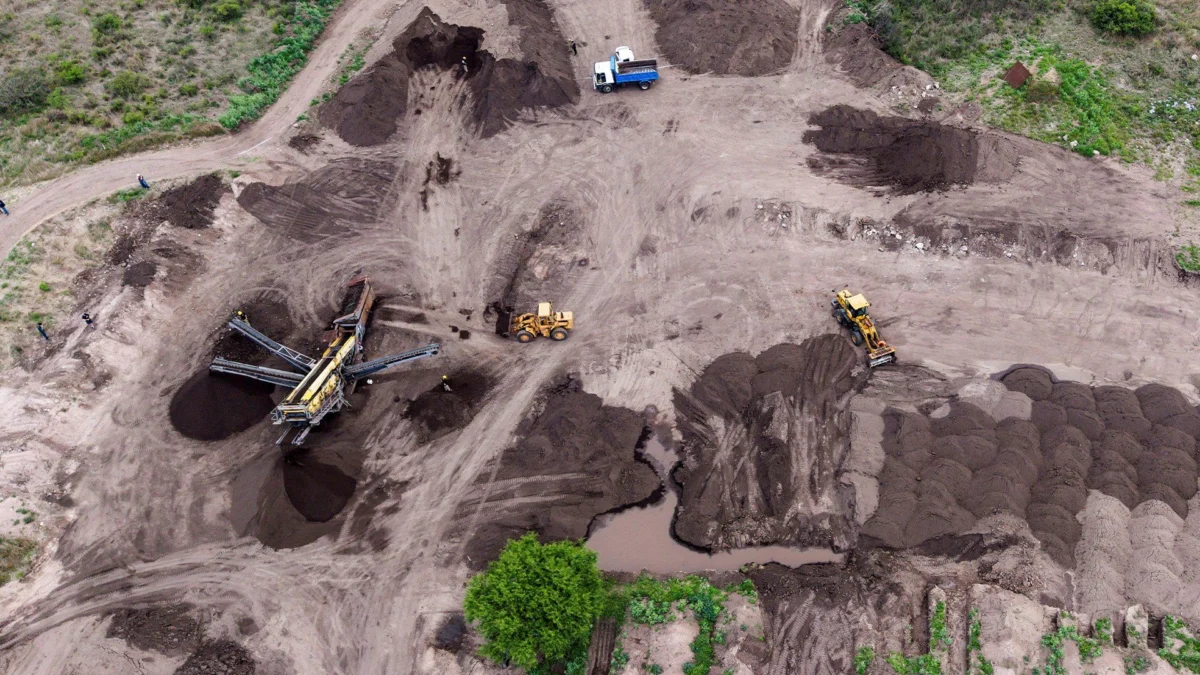
Forensic anthropologists have identified the remains of at least 38 victims of Argentina’s last military dictatorship, commonly referred to as the Dirty War, according to Al Jazeera. These identifications represent a continued effort to provide families with information about disappeared loved ones.

The work reflects ongoing attempts to address unresolved disappearances from a period of state violence that lasted from 1976 to 1983.

Key Facts

  • 38 victims identified by forensic anthropologists.
  • Identifications relate to Argentina’s last military dictatorship.
  • The period is widely known as Argentina’s ‘Dirty War’.
  • Remains were confirmed through forensic analysis.
  • Process aims to return dignity to victims and families.

The Story

Who is affected?

The families of the disappeared continue to seek answers about their loved ones, many of whom were abducted, tortured, or killed during the military regime. Forensic teams use tools like bone analysis, dental records, and DNA testing to match remains with missing persons databases.

Organizations such as the Argentine Forensic Anthropology Team (EAAF) have led many of these efforts, relying on international cooperation and advanced scientific methods. The identifications help close long-open cases, though thousands remain unaccounted for.

How did we get here?

Argentina’s military dictatorship ran from 1976 to 1983, an era marked by forced disappearances of an estimated 30,000 people. After democracy returned, trials began but progress slowed under amnesty laws. Renewed investigations since the 1990s helped recover mass graves and identify victims.

The latest identifications continue a broader pattern of applying modern forensics to old atrocities. Each identification supports transitional justice efforts and offers symbolic closure to survivors and descendants.

What We Know — and What We Don’t

Verified by the source:

  • At least 38 victims have been identified by forensic anthropologists.
  • The victims were killed during Argentina’s last military dictatorship.
  • The period is referred to as the ‘Dirty War’.

Still unconfirmed:

  • No details on when or where identifications occurred.
  • No names or specific identities of victims released.
  • No official government confirmation cited.

Why It Matters

Identifying victims of state violence helps societies confront their past and deliver justice decades later. For Argentina, these identifications strengthen accountability and offer closure to families still searching for answers.

What To Watch

Further identifications may emerge as more remains are analyzed. Updates will depend on ongoing forensic work and cooperation with international agencies.

Argentina continues identifying Dirty War victims through forensic efforts, bringing closure to families decades after the military dictatorship.

Community Verdict — Do you trust this story?
Be the first to vote on this story.