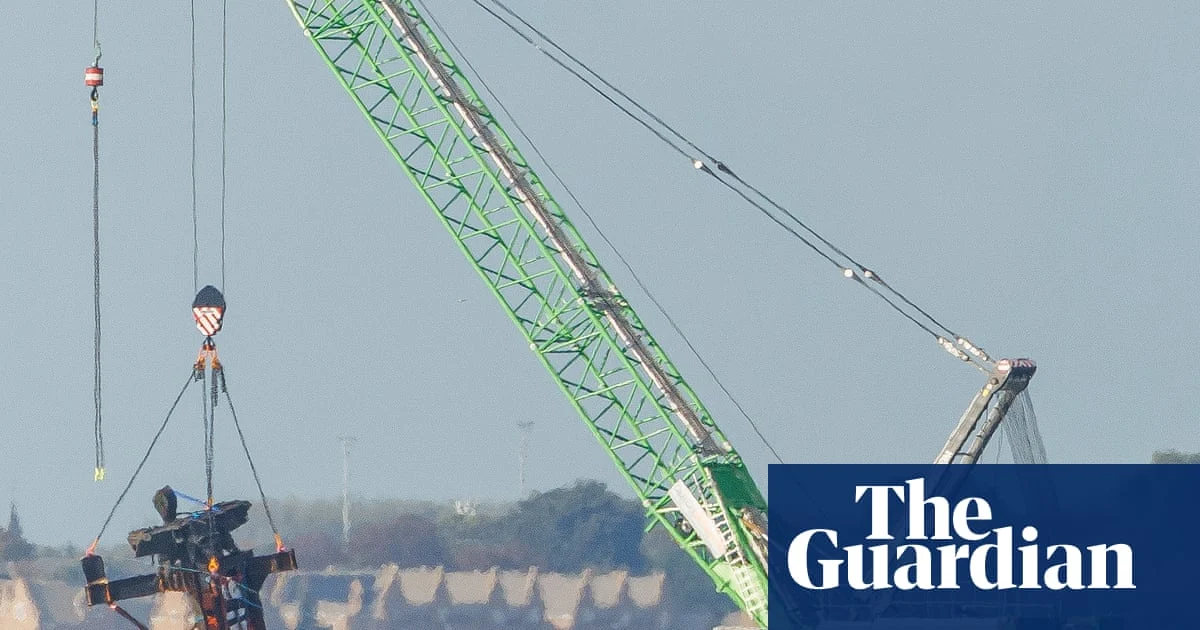
Engineers have removed the masts from a bomb-laden ship in the Thames estuary to reduce the risk of a catastrophic explosion. The SS Richard Montgomery, a US cargo ship that sank in 1944 with approximately 1,400 tonnes of munitions onboard, has long been considered a major hazard due to the unexploded ordnance still lodged in its hull.
The operation was carried out carefully to avoid triggering an explosion that has kept the wreck under constant guard for decades. The removal of the masts marks a significant step in managing the ongoing threat posed by the sunken vessel.
Key Facts
- SS Richard Montgomery sank in 1944 with about 1,400 tonnes of munitions onboard.
- Engineers removed the masts from the wreck to prevent an explosion.
- The wreck remains under constant guard due to the ongoing danger.
- The ship is located in the Thames estuary.
- Officials confirmed the operation aimed to reduce the risk of a devastating blast.
The Bomb-Laden Ship and Its Ongoing Threat
The SS Richard Montgomery ran aground and sank near the Thames estuary in 1944 while carrying a large cargo of munitions. Over the years, the rusting wreck has become a major concern for safety officials due to the unstable nature of the unexploded bombs still inside.
Experts estimate that an explosion from the wreck could send a tidal wave through London and devastate parts of Kent. As a result, the site has remained under constant surveillance, and various plans have been considered to safely remove the munitions or otherwise neutralize the threat.
What Happens Next?
While the removal of the masts reduces some structural risks, the core problem of the onboard explosives remains unresolved. Authorities continue to assess long-term options for dealing with the bomb-laden ship, including potential partial or full recovery of the wreck.
For now, the Thames estuary remains under watch, and maritime traffic is carefully monitored to ensure public safety. Further engineering or dismantling operations may be planned in the coming months depending on environmental and logistical assessments.
What We Know — and What We Don’t
Verified by the source:
- The SS Richard Montgomery sank in 1944 with approximately 1,400 tonnes of munitions onboard.
- The masts have been removed from the wreck to reduce explosion risk.
- The site has been under constant guard due to fears of detonation.
- An explosion could devastate a Kent coastal town and affect London via tidal wave.
Still unconfirmed:
- Exact date when the mast removal operation was completed.
- Whether additional structural elements will be removed in future.
- Timeline or final decision on full dismantling of the wreck.
Why It Matters
This ongoing hazard underscores how remnants of past conflicts can pose contemporary risks. Keeping the public informed and ensuring continued monitoring helps authorities manage potential threats before they turn into disasters.
What To Watch
Authorities have not announced further timelines for additional mitigation efforts, but updates are expected as engineering assessments continue. The situation highlights the need for sustained vigilance around aging wartime wreckage in busy waterways.