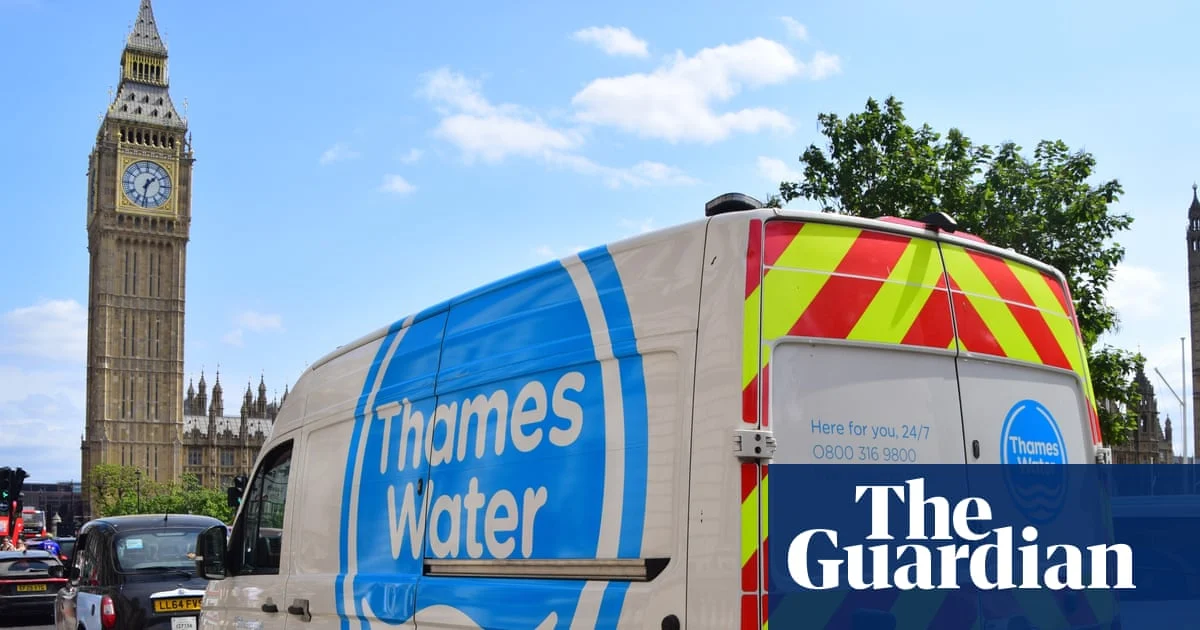
Burnham has instructed officials to discard existing recovery plans for Thames Water and develop substantially more radical alternatives for managing the struggling utility.
The move represents an early test of the administration’s broader pledge to bring essential services into public hands, with the prime minister reportedly pushing advisers to explore fresh policy directions for the company.
KEY FACTS
- Burnham urges officials to scrap current Thames Water plans
- Officials asked to propose more radical options for the utility
- Case viewed as a test of pledges to bring essentials under public control
- Prime minister pressing advisers to rethink policies for the company
The Story
What happens next?
Burnham’s directive signals that the government considers Thames Water a priority for restructuring under new public ownership principles. Officials are being asked to present fresh alternatives rather than refine previous turnaround strategies.
The utility has been described in public discourse as facing financial distress, and any major restructuring could involve new funding models or operational frameworks. The exact shape of the proposed alternatives remains unspecified.
Analysts suggest that decisions over Thames Water may set a precedent for how other critical privatized services are handled in future policy cycles.
Who is affected?
The outcome will directly affect millions of customers who rely on Thames Water for daily water supply and wastewater services across parts of southern England.
Employees and investors in the company are also likely to face uncertainty during the review period, with potential changes to staffing, contracts, and shareholder arrangements.
Regulatory bodies overseeing utilities may need to adapt oversight mechanisms depending on which options are put forward.
How did we get here?
Thames Water has faced repeated criticism over financial mismanagement and service delivery issues, prompting renewed political attention.
Burnham’s intervention follows wider discussions about nationalizing key infrastructure as part of campaign promises made prior to taking office.
The request to consider more radical options reflects escalating pressure from stakeholders calling for decisive action.
WHAT WE KNOW — AND WHAT WE DON’T
Verified by the source:
- Burnham told officials to abandon prior Thames Water plans.
- He asked for more radical options for the company.
- The situation is framed as a test of commitments to public control of essentials.
- The prime minister is urging advisers to revisit policy approaches.
Still unconfirmed:
- No timeline for when new options will be submitted.
- Details of what “radical” options might include remain undisclosed.
- No official statements from involved parties have been quoted.
- Specifics about financial restructuring or ownership models are absent.
WHY IT MATTERS
The handling of Thames Water public control efforts may influence how governments approach essential services and infrastructure, affecting both consumer costs and long-term service reliability for millions.
WHAT TO WATCH
Further clarity is expected once officials submit revised recommendations, though no deadlines have been publicly confirmed at this stage.
Related updates can be tracked through economy and markets coverage and politics developments.