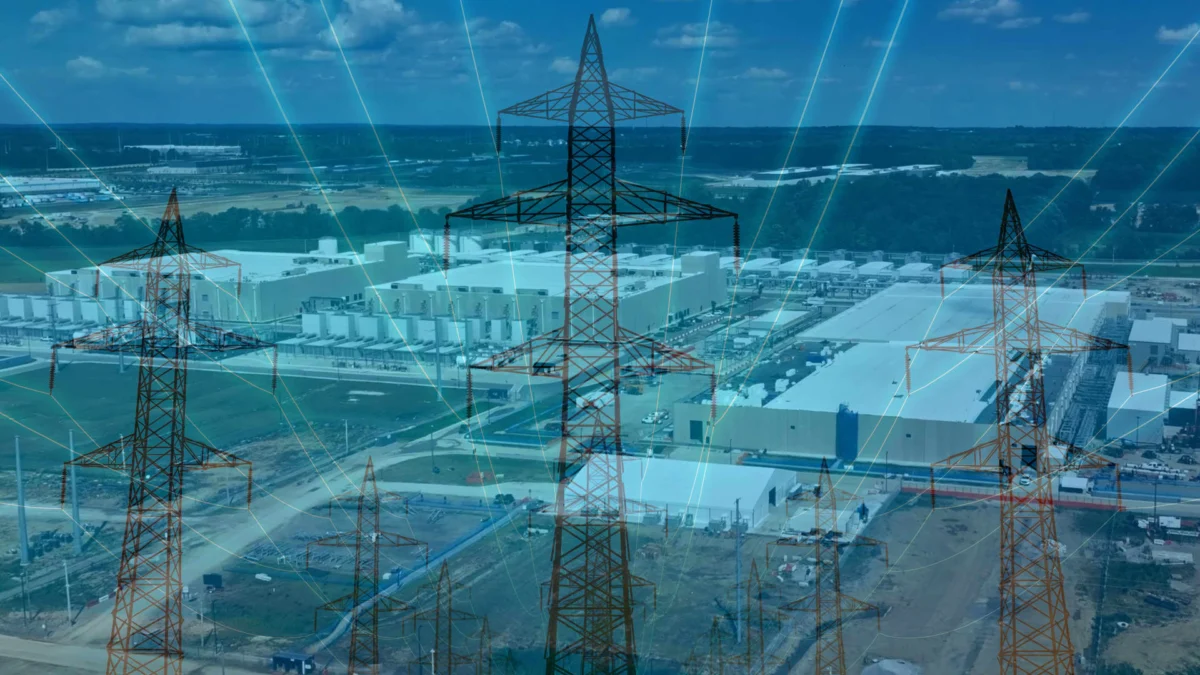
Google Defends Minnesota AI Data Center Plan Amid Skepticism
Google says its Minnesota AI data center will add clean energy to the grid and protect ratepayers. Some experts and residents remain skeptical about the project’s impact on local infrastructure and electricity costs.
The company argues the facility represents a responsible approach to building data centers, one that supports clean energy goals. However, concerns persist over whether new large-scale power demand can be met without straining the regional grid.
Key Facts
- Google says its Minnesota AI data center will add clean energy to the grid.
- The company claims the project will protect ratepayers from rising costs.
- Some experts question whether grid upgrades are necessary.
- Residents express skepticism about the project.
What the Project Promises
Google positions the Minnesota AI data center as part of a broader push to align artificial intelligence infrastructure with climate goals. The company says the facility will contribute renewable power rather than consume it, helping utilities meet demand without relying on fossil fuels.
Experts who monitor energy policy note that data centers generally are increasing pressure on U.S. grids. Whether this project actually reduces strain depends heavily on timing, local generation capacity, and the details of utility agreements—all details not spelled out in public statements.
Who Is Affected
Local residents and state utility regulators are key stakeholders. Residents worry about potential rate increases, while experts warn that aging grid infrastructure in parts of the Upper Midwest may already face constraints.
The tension reflects a national pattern where tech companies seek to brand their expansions as environmentally beneficial. Independent analysts say verification will require reviewing actual power purchase agreements and grid impact studies rather than corporate announcements alone.
What We Know — and What We Don‧t
Verified by the source:
- Google says the center will add clean energy to the grid.
- Google claims ratepayers will be protected.
- Experts question grid upgrade needs.
Still unconfirmed:
- Specific timeline or capacity figures.
- Actual contractual protections for ratepayers.
- Names of skeptical experts or residents.
- Local government approvals or conditions.
Why It Matters
The debate highlights how AI-driven data center growth is reshaping energy planning across regions unprepared for sudden large loads. Public trust in corporate green promises increasingly depends on measurable outcomes rather than announcements alone.
What To Watch
Utility filings and state regulatory decisions will clarify whether projected grid impacts match Google’s stated benefits. See more in economy and markets and tech and AI.