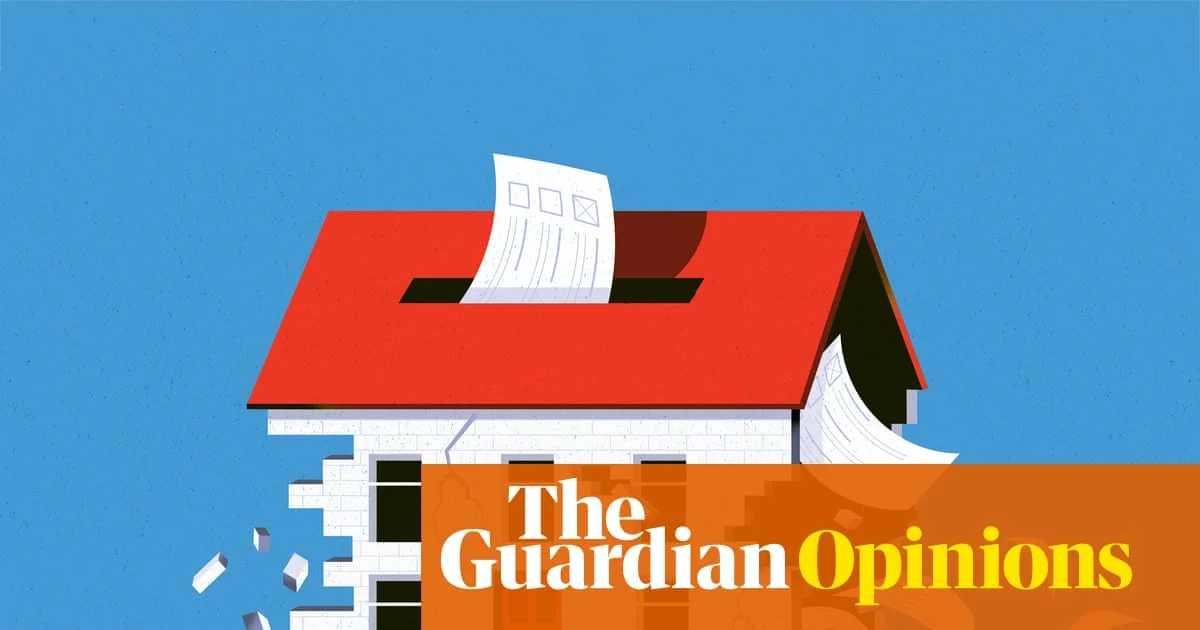
The global housing crisis is deepening, revealing what former UN special rapporteur Leilani Farha calls a crisis of democracy rather than just affordability. As housing becomes unattainable for everyday people, questions arise about whether unchecked financial power has undermined democratic governance. A resident of a Toronto homeless encampment captured this sentiment when he pointed at nearby luxury skyscrapers and asked who they were being built for, suggesting that the housing system no longer serves ordinary citizens.
This perception is shared globally, where people increasingly feel disconnected from systems meant to serve them.
Key Facts
- Housing affordability has declined worldwide, with many unable to rent or buy homes.
- Former UN special rapporteur Leilani Farha links the crisis to broader democratic failures.
- A homeless individual in Toronto observed new skyscrapers being built while he remained unhoused.
- Farha describes the situation as a crisis of democracy, not solely an economic issue.
- The article is based on Farha’s book Housing Inc. and her experience as a housing advocate.
The Story
Who Is Affected by the Crisis?
The global housing crisis impacts millions who cannot afford basic shelter, pushing them into instability or homelessness. In cities worldwide, rising property values driven by speculative investment make homeownership inaccessible to average earners. This trend affects younger generations, low-income families, and marginalized communities disproportionately. The case of a Toronto resident living in a tent near new high-rises illustrates how proximity to development does not translate into access to housing. These individuals are often priced out despite being geographically close to economic centers.
Financial institutions and private developers benefit from inflated markets, while public policy struggles to keep pace. As demand inflates prices, wage growth rarely matches increases, deepening inequality. Governments reliant on tax revenues from real estate may hesitate to intervene, fearing market disruption. Meanwhile, renters face eviction risks, mortgage barriers, and deteriorating living conditions. Without inclusive zoning reforms or affordable housing mandates, the gap widens between those who profit and those who suffer.
How Did We Get Here?
The roots of the global housing crisis trace back to decades of financial deregulation, allowing banks and investors greater freedom to speculate in housing markets. Governments treated housing more like a commodity than a human right, incentivizing profit-driven development over community needs. Urban planning prioritized luxury projects financed by global capital flows rather than sustainable, affordable neighborhoods. This shift eroded tenant protections and reduced public investment in social housing. Countries such as Canada, the UK, and Australia saw rapid privatization of land use decisions, weakening municipal control over housing supply.
As financial sectors gained influence, they shaped policies through lobbying and campaign contributions, ensuring favorable treatment for real estate interests. Central banks’ monetary tools—low interest rates and quantitative easing—further fueled asset bubbles. Housing became an investment vehicle instead of shelter, attracting hedge funds and pension plans. Consequently, homes turned into financial instruments divorced from use value. Public trust suffered as people watched neighbors displaced by gentrification and rent hikes. The democratic process itself weakened when citizens lost meaningful influence over housing futures.
What Happens Next?
Without coordinated reform, the global housing crisis will likely persist, exacerbating inequality and undermining societal cohesion. Some advocate for stronger tenant rights, rent controls, and restrictions on speculative purchases. Others propose rethinking zoning laws and increasing public ownership of land. International bodies like the UN have recognized housing as a human right, urging governments to prioritize access over profits. Whether these recommendations gain traction depends on political will and citizen engagement. Until then, stories like the unnamed Toronto resident reflect widespread frustration and alienation from systems meant to protect vulnerable populations.
What We Know — and What We Don’t
Verified by the source:
- A homeless person in Toronto lived near new skyscrapers and questioned their purpose.
- Leilani Farha is the author of Housing Inc. and former UN special rapporteur.
- She frames the issue as a democratic deficit tied to financial dominance.
Still unconfirmed:
- The exact number of people affected globally by unaffordable housing.
- Specific policy responses proposed by Farha beyond general critiques.
- Data comparing historical housing costs to current levels across countries.
Why It Matters
When large segments of society cannot secure safe, affordable housing, core democratic principles come under strain. The global housing crisis signals a failure of governance to meet fundamental human needs, raising urgent moral and political questions. For readers navigating rising rents or uncertain futures, understanding these dynamics matters because collective awareness can drive accountability and action. Read more about related trends in [economy-markets] and [politics].
What To Watch
Future developments depend on whether policymakers respond with structural change or maintain status quo approaches. Public reactions and advocacy efforts will shape outcomes in the months ahead.
Meta description: The global housing crisis highlights how financial control over housing undermines democracy, affecting millions unable to afford homes.