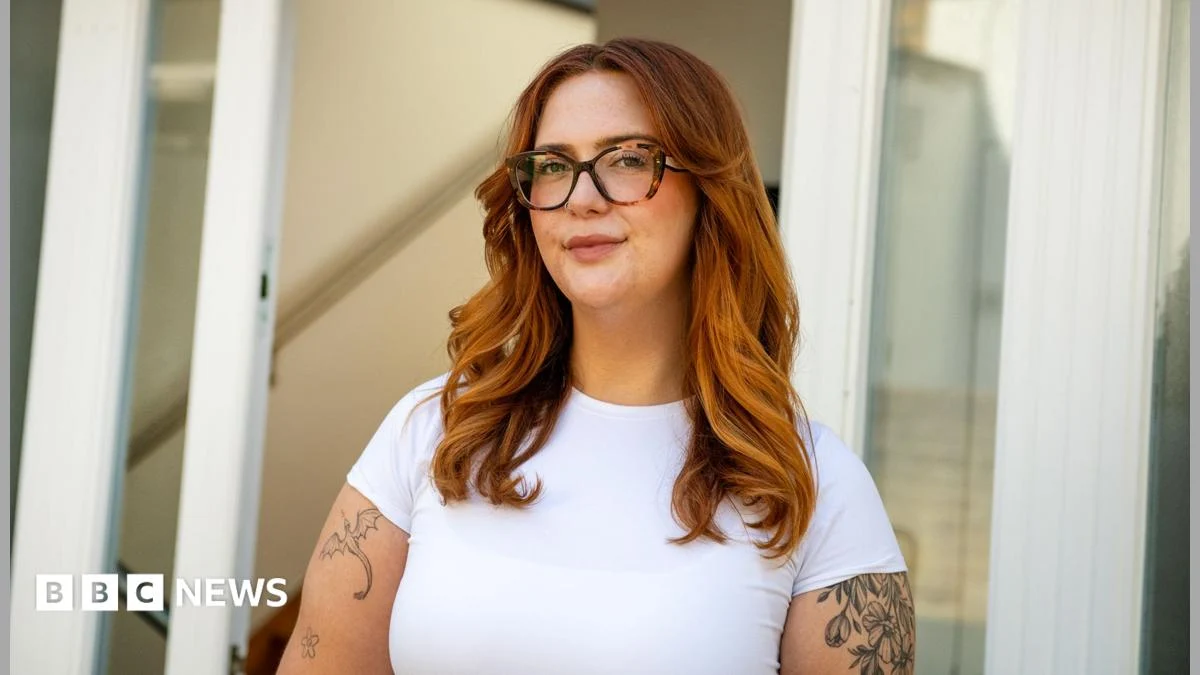
When Maya Patel, 32, watched the price of a loaf of bread climb from £0.80 to £1.20 in a single year, she laughed bitterly and said, “I can’t afford a mortgage, let alone a child.”
Women say no to having kids, and their answers are anything but uniform. In a BBC interview series published this week, 12 women from across the UK detailed the financial, environmental and personal anxieties that drive their choice.
What the women actually told the BBC
Four participants cited crushing housing costs: the average UK house price hit £285,000 in early 2026, a figure that dwarfs the median annual salary of £31,000.
Three women mentioned climate worries, echoing a 2023 YouGov poll that found 54% of respondents fear overpopulation’s impact on the planet.
Another three pointed to career ambition and the desire for freedom, noting that a recent Office for National Statistics report shows women’s full‑time earnings still lag 15% behind men’s.
Why does this matter?
Low birth rates affect everything from pension sustainability to the future size of the workforce. The UK’s fertility rate fell to 1.61 births per woman in 2025, well below the 2.1 replacement level economists deem necessary for long‑term stability.
Policymakers worry that a shrinking younger cohort will strain the National Health Service and limit tax revenue, while businesses fear a shrinking talent pool.
Beyond the numbers: personal narratives
Emma Collins, a 27‑year‑old graphic designer, said she feels “paralyzed by the prospect of adding a child to a climate‑crisis world.” She added that the UK’s Net Zero plan still lacks concrete milestones, deepening her anxiety.
Meanwhile, Samira Ali, a single mother of two, told the BBC she chose not to have a third child because “the State’s child‑care support is a patchwork, and the cost of a nursery place eats up half my salary.”
These stories expose a common thread: the decision to forgo parenthood is rarely about a single factor, but a web of economic pressure, ecological dread, and personal liberty.
What happens next?
Governments are already talking about “pro‑family” incentives – from extending parental leave to subsidising baby‑friendly housing – yet critics argue that without tackling the underlying cost of living, such measures will be toothless.
For readers, the takeaway is personal: if you’re grappling with similar dilemmas, the BBC interview series offers a mirror to reflect your own concerns, and a reminder that the debate is shaping public policy.
As the UK’s population ages, the question isn’t just why women say no, but how societies will adapt when a generation chooses a life without children.
Follow the story as new government consultations on fertility incentives are published later this year.