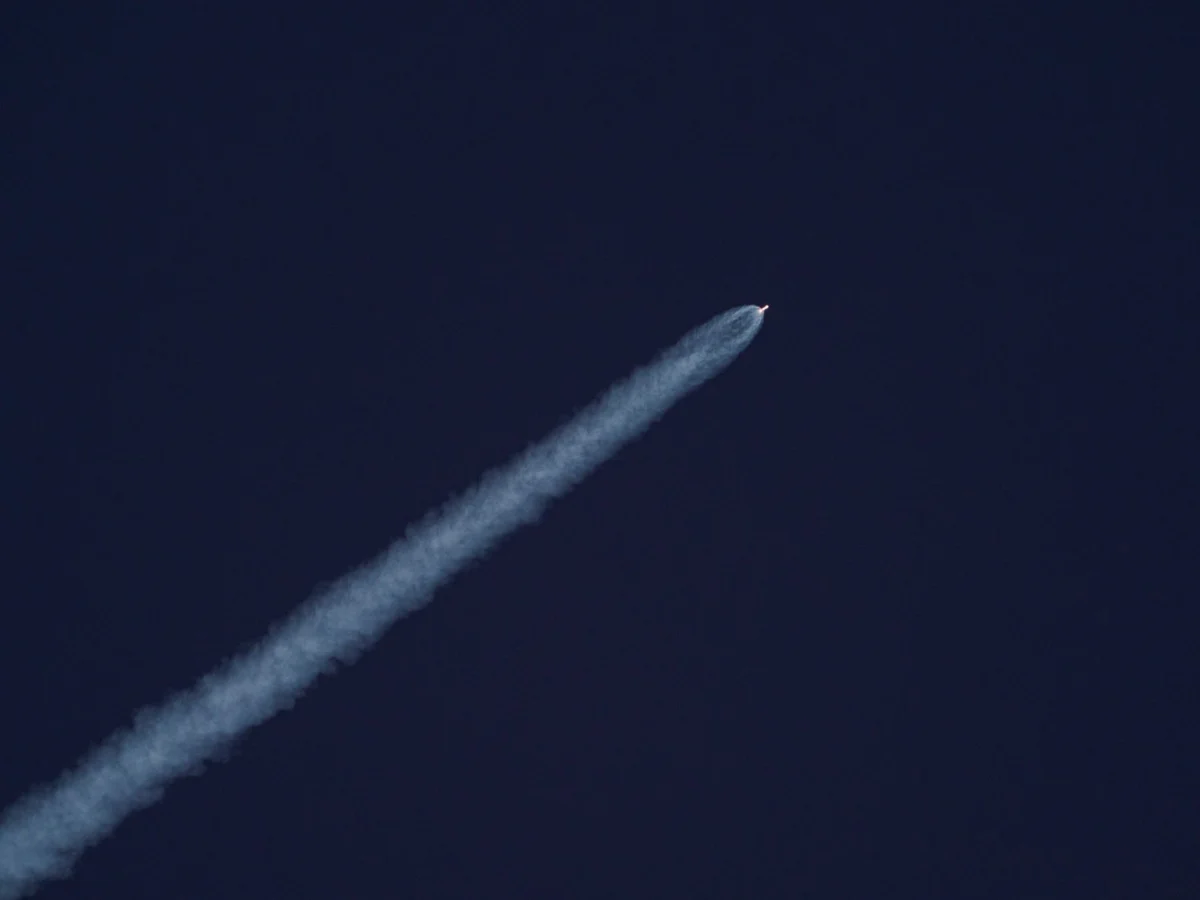
Iran fired a coordinated salvo of more than 20 short‑range ballistic missiles at U.S. Navy and Air Force sites in Bahrain, Qatar and the United Arab Emirates at 03:14 GMT, sparking the largest retaliatory strike in the region since the 2020 Gulf tensions.
The missiles, identified by radar as Qiam‑2 and Fateh‑110 variants, slammed into the Al Udeid air base in Qatar, the Naval Support Facility in Bahrain and a joint logistics hub near Abu Dhabi. None of the strikes caused fatalities, but at least three U.S. service members suffered non‑life‑threatening injuries, and critical communications equipment was damaged.
Iran’s Revolutionary Guard Corps (IRGC) released a short video showing the launch, captioned: “Our rockets have found their mark. The aggressor will feel the price of its arrogance.”
What triggered the Iran missile attack?
The barrage came hours after a U.S. drone reportedly violated Iranian airspace over the Strait of Hormuz, a claim Tehran has repeatedly denied. The Pentagon confirmed that a MQ‑9 Reaper was forced to abort its mission after Iranian surface‑to‑air missiles locked onto it, but the U.S. released no casualty figures.
Why does this matter?
Every missile that lands on a U.S. base sends ripples through global supply chains. Shipping through the Gulf accounts for roughly 30% of world oil traffic; any perceived instability can spike crude prices overnight. In addition, U.S. forces in the region support anti‑piracy patrols and protect maritime trade routes that keep fuel and consumer goods moving to Europe and Asia.
“A sustained exchange could force airlines, shipping lines and even consumers to pay more for energy,” an analyst at a Dubai‑based think‑tank warned, citing the recent rise in Brent crude to $87 per barrel.
For everyday Americans, the direct impact may still feel abstract, but higher oil prices translate into higher gasoline costs, which in turn shrink disposable income. Moreover, a protracted conflict could draw U.S. reservists back onto active duty, altering local economies that rely on military spending.
International response and next steps
The United Nations called for an urgent Security Council session, but a formal resolution was blocked by Russia and China, who labeled the U.S. actions as “provocative.” Meanwhile, the European Union issued a statement urging “maximum restraint” from all parties.
U.S. Central Command announced a “proportionate” response will be calibrated within 24 hours, but details remain classified. Iran’s foreign ministry warned that any U.S. retaliation would be met with “further decisive strikes.”
The situation remains fluid. Analysts monitor the Iranian missile inventory and U.S. naval deployments for signs of escalation. The next 48 hours will likely determine whether the Gulf skids into a broader confrontation or retreats to a tense cease‑fire.
War‑geopolitics coverage continues as new details emerge.