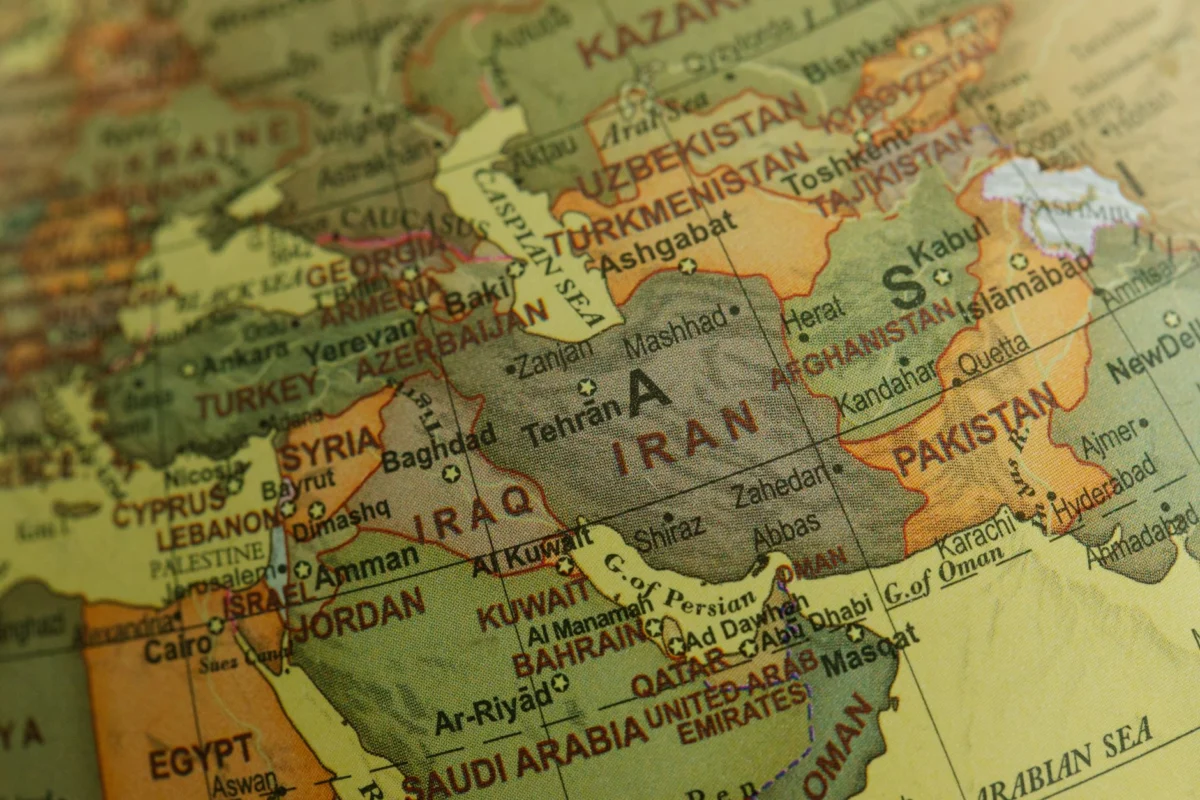
Answer: The United States’ bombing of Iran prompted rockets to hit Bahrain and Kuwait in a rapid US strike retaliation.
At 03:12 GMT, a plume of black smoke rose from a facility near Ahvaz, Iran, as U.S. jets released precision munitions. Within minutes, residents of Manama heard a whistling boom; a short‑range rocket landed in a vacant lot, shattering windows but causing no casualties. Across the Gulf, a similar projectile struck a military outpost near Kuwait City, injuring two soldiers.
The National reported the chain of events, noting that the U.S. strike was the first direct kinetic response to Iran’s alleged drone attack on a Middle‑East oil tanker earlier that week.
Why does this matter?
Oil prices ticked up 1.8% on the news, and shipping firms rerouted vessels away from the Gulf of Oman, underscoring how quickly a localized clash can ripple through global markets.
Who is affected?
Beyond the military personnel on the ground, Gulf civilians face heightened alert levels, and multinational companies with regional headquarters in Bahrain and Kuwait must reassess security protocols.
Experts warn that the rapid escalation could embolden Tehran to expand its proxy network, while Washington may feel compelled to widen its rules of engagement.
What happens next?
The U.S. Central Command has not confirmed the origin of the rockets, but an official statement from the Pentagon, released later Thursday, said investigations were “ongoing.” Iran’s foreign ministry denounced the U.S. action as “aggression,” calling for a United Nations Security Council meeting.
Analysts at war-geopolitics suggest that diplomatic channels are already buzzing, with European powers urging restraint to prevent a broader conflagration.
For now, the Gulf’s night skies remain lit by searchlights, and families in Manama and Kuwait City watch the horizon, unsure whether the next flare will be a warning or a warning shot.
Stay tuned as we track official statements and any further strikes that could reshape the Middle East’s security landscape.