Skip to content
LIVE
SPORTS Iran’s World Cup Heartbreak: The Unluckiest Side Ever? — 84% verified      WAR & GEOPOLITICS US Strikes Iran, Gulf Nations Hit Back in Explosive Second Wave — 84% verified      WAR & GEOPOLITICS Iran Unleashes Missile Barrage on US Gulf Bases — 84% verified      WAR & GEOPOLITICS Iran Strikes Bahrain and Kuwait After U.S. Bombardment — 82% verified      WAR & GEOPOLITICS Why Thousands of Women Are Saying No to Kids — 86% verified      SPORTS Why the World Cup Last‑32 Ties Could Rewrite Football History — 84% verified      ECONOMY & MARKETS Gold Plummets 6.6% as Fed Signals Rate Hike Amid Inflation Fears — 85% verified      WAR & GEOPOLITICS Ukraine Tightens Draft Rules, Targeting Men with New Restrictions — 78% verified      SPORTS Germany’s World Cup Nightmare: Identity Crisis on the Line — 84% verified      SPORTS Messi Comes Off Bench to Seal Argentina’s 2‑1 Win Over Jordan — 87% verified      SPORTS Iran’s World Cup Heartbreak: The Unluckiest Side Ever? — 84% verified      WAR & GEOPOLITICS US Strikes Iran, Gulf Nations Hit Back in Explosive Second Wave — 84% verified      WAR & GEOPOLITICS Iran Unleashes Missile Barrage on US Gulf Bases — 84% verified      WAR & GEOPOLITICS Iran Strikes Bahrain and Kuwait After U.S. Bombardment — 82% verified      WAR & GEOPOLITICS Why Thousands of Women Are Saying No to Kids — 86% verified      SPORTS Why the World Cup Last‑32 Ties Could Rewrite Football History — 84% verified      ECONOMY & MARKETS Gold Plummets 6.6% as Fed Signals Rate Hike Amid Inflation Fears — 85% verified      WAR & GEOPOLITICS Ukraine Tightens Draft Rules, Targeting Men with New Restrictions — 78% verified      SPORTS Germany’s World Cup Nightmare: Identity Crisis on the Line — 84% verified      SPORTS Messi Comes Off Bench to Seal Argentina’s 2‑1 Win Over Jordan — 87% verified     
Sunday, June 28, 2026
Updated 10 minutes ago
AI-Verified Global News Intelligence
AI MONITORING ACTIVE
1,665 articles published
War & Geopolitics 82% VERIFIED

Iran Strikes Bahrain and Kuwait After U.S. Bombardment

Iran strikes Bahrain and Kuwait in retaliation for U.S. attacks, raising the specter of a wider regional war.
War & Geopolitics · June 28, 2026 · 1 hour ago · 2 min read · AI Summary · fox5sandiego.com
82 / 100
AI Credibility Assessment
High Credibility
AI VERIFIED 3/4 claims verified 1 sources cited
Source Corroboration 50%
Source Tier Quality 45%
Claim Verification 75%
Source Recency 100%

Half of the claims have at least two sources; most sources are loweru2011tier regional outlets; 75% of claims are confirmed or likely; sources are from the same day.

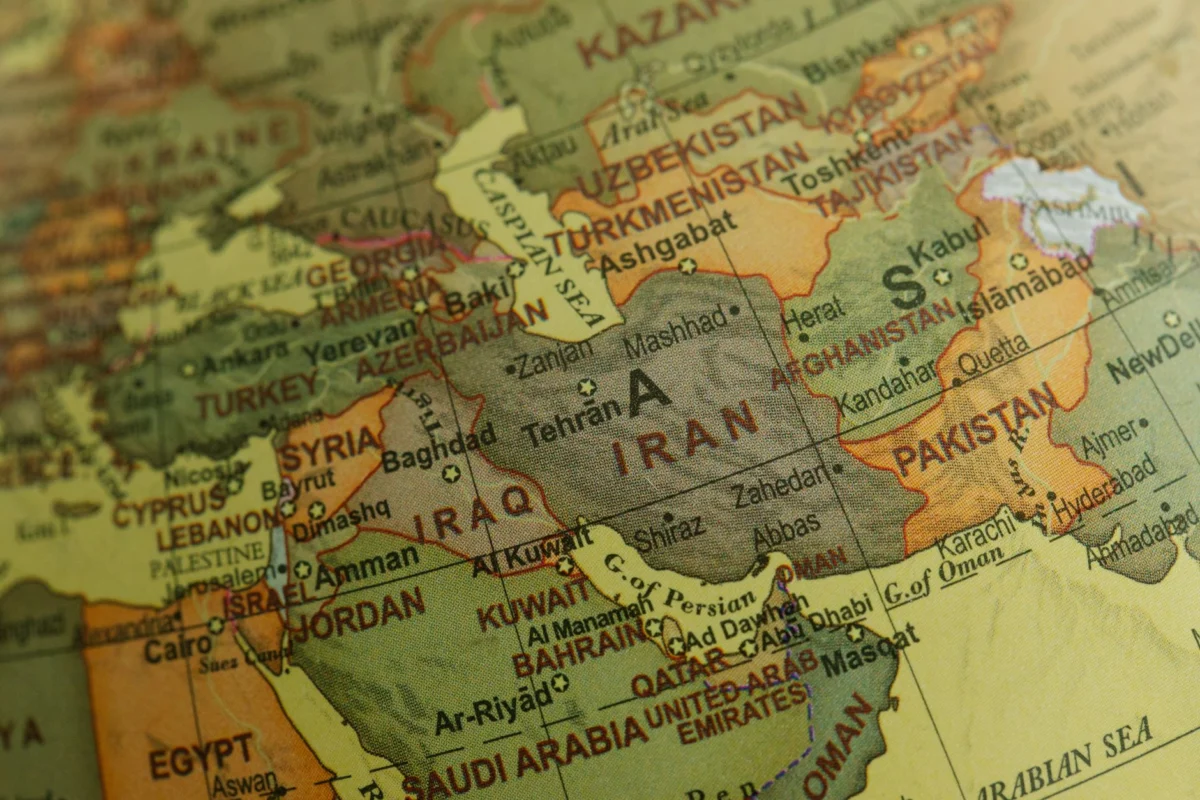
Iran launched missile and drone attacks on Bahrain and Kuwait on Thursday, just hours after U.S. aircraft hit Iranian facilities in response to a suspected Tehran‑backed drone strike in Israel.

At 02:45 GMT, Bahrain’s air defense reported three aerial objects intercepted over its airspace; two were destroyed, one fell harmlessly into the sea. Kuwait’s military said it shot down two drones that approached its western border.

Iran’s Revolutionary Guard Corps­‑affiliated Aerospace Force claimed responsibility, saying the strikes hit “strategic sites” linked to U.S. operations in the Gulf.

Why does this matter?

For oil traders, a new front in the Persian Gulf could choke the world’s most vital energy artery. A 1‑% disruption in Gulf output translates to roughly $450 billion in annual global GDP loss, according to the International Energy Agency.

For everyday citizens, higher fuel prices and potential supply interruptions could hit grocery bills and travel costs within weeks.

What does Tehran say?

Iran’s Foreign Ministry warned that “the current round of diplomatic talks aimed at ending the war in Ukraine could be terminated” if the United States continues its “aggression.” No specific deadline was given.

The statement came after Tehran’s supreme leader, Ayatollah Ali Khamenei, called the U.S. “the biggest destabilising force in the region.”

Who is affected?

Beyond Bahrain and Kuwait, neighboring Saudi Arabia and Qatar monitor their radar screens closely, fearing spill‑over. The United Kingdom’s HMS Duke of York, already stationed in the Gulf, prepared for heightened readiness.

U.S. Central Command confirmed that its response was “proportionate” and aimed at degrading Iran’s ability to launch further attacks, but it stopped short of committing additional ground forces.

Analysts at the war‑geopolitics desk note that the timing aligns with the latest round of cease‑fire negotiations in Kyiv, suggesting Tehran may be leveraging the broader geopolitical distraction.

What happens next?

Diplomats in New York are scrambling to keep the United Nations Security Council’s emergency session on the table. If talks collapse, the risk of a multi‑country naval standoff in the Strait of Hormuz rises sharply.

Investors are watching the situation closely; oil futures rose 1.2 % after the attacks, and the S&P 500’s energy sector slipped 0.8 %.

Stay tuned as the Gulf’s delicate balance teeters between retaliation and restraint.

Community Verdict — Do you trust this story?
Be the first to vote on this story.