Lede
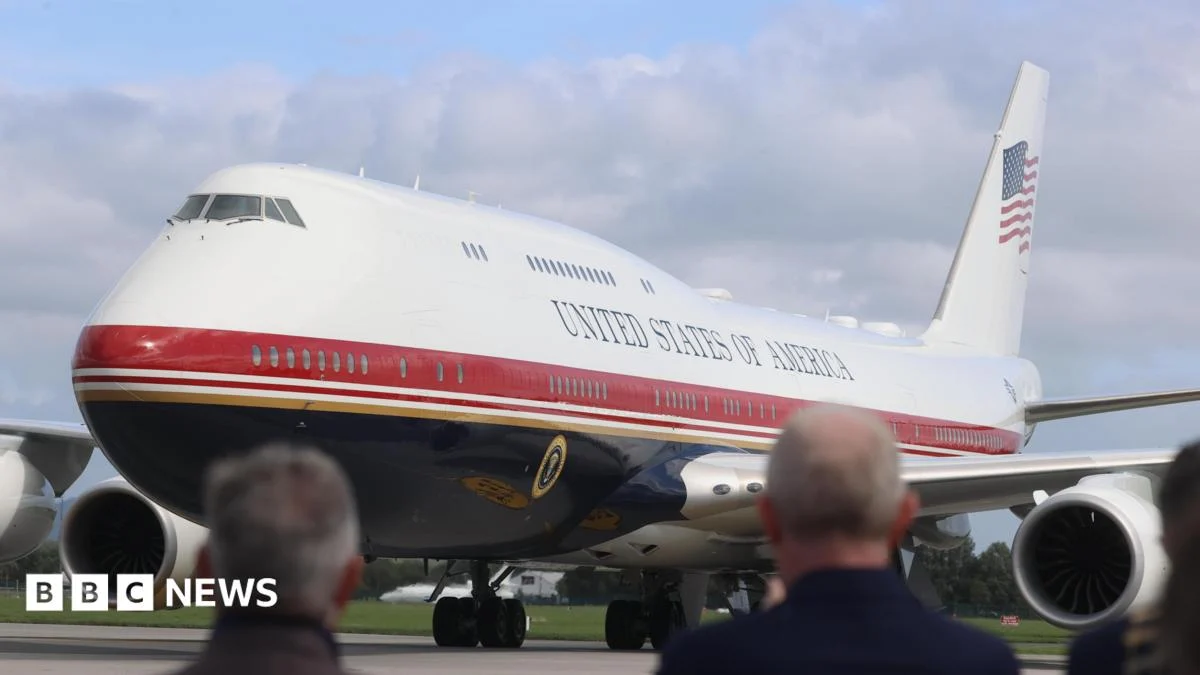
The White House barred CNN from traveling with President Donald Trump on his Air Force One trip to Tennessee on Saturday, restricting the network’s ability to report firsthand from the flight. The decision underscores ongoing tensions between the administration and certain media outlets regarding access and coverage.
CNN had originally been scheduled to join the presidential trip, which formed part of the president’s broader domestic engagement efforts. The restriction marks another chapter in the evolving relationship between the White House and the press corps, particularly national cable news networks covering the administration closely.
Key Facts
- CNN was scheduled to fly with U.S. President Donald Trump for his trip to Tennessee on Saturday.
- The White House barred CNN from traveling with the president aboard Air Force One.
- The restriction was confirmed ahead of the planned trip to Tennessee.
Background on Access Restrictions
What happens next? The restriction raises questions about future press access policies during presidential travel. White House officials did not provide additional details regarding the rationale behind the decision or whether similar restrictions may apply to other media organizations.
Presidential travel has historically involved rotating press pools and coordinated media access to ensure broad coverage while maintaining operational efficiency. Changes in access can influence how effectively news organizations report on executive branch activities, particularly during high-profile trips.
Media access policies often reflect broader administrative priorities and communication strategies, and shifts in these practices can signal changing attitudes toward press engagement among different branches of government.
Implications for Media Coverage
The exclusion of CNN from the Air Force One trip highlights continued friction between the White House and select members of the national press corps. Such restrictions may affect not only individual networks but also the overall landscape of political journalism and public accountability.
Members of the press corps rely on embedded access opportunities like Air Force One trips to provide real-time reporting and analysis of presidential activities. When access is selectively limited, news organizations must adapt by relying more heavily on alternative sources, official statements, or remote observation methods.
This development comes amid ongoing national conversations about transparency, press freedom, and the role of journalism in democratic governance. Monitoring future access decisions will be important for understanding how media relations evolve under the current administration.
What We Know — and What We Don’t
Verified by the source:
- The White House barred CNN from traveling with President Trump on Air Force One.
- CNN had been scheduled to participate in the trip to Tennessee on Saturday.
Still unconfirmed:
- The specific reason given by the White House for barring CNN.
- Whether other media outlets were also affected by similar restrictions.
- Any official responses or reactions from CNN or the White House press office.
Why It Matters
Press access plays a crucial role in enabling journalism that keeps the public informed about government actions. Limitations on such access can reduce the diversity and immediacy of information available to citizens, potentially affecting democratic oversight and public discourse.
What To Watch
Further details may emerge if CNN or White House officials issue public statements. Observers will also watch for patterns in media access policies during upcoming presidential trips and events.