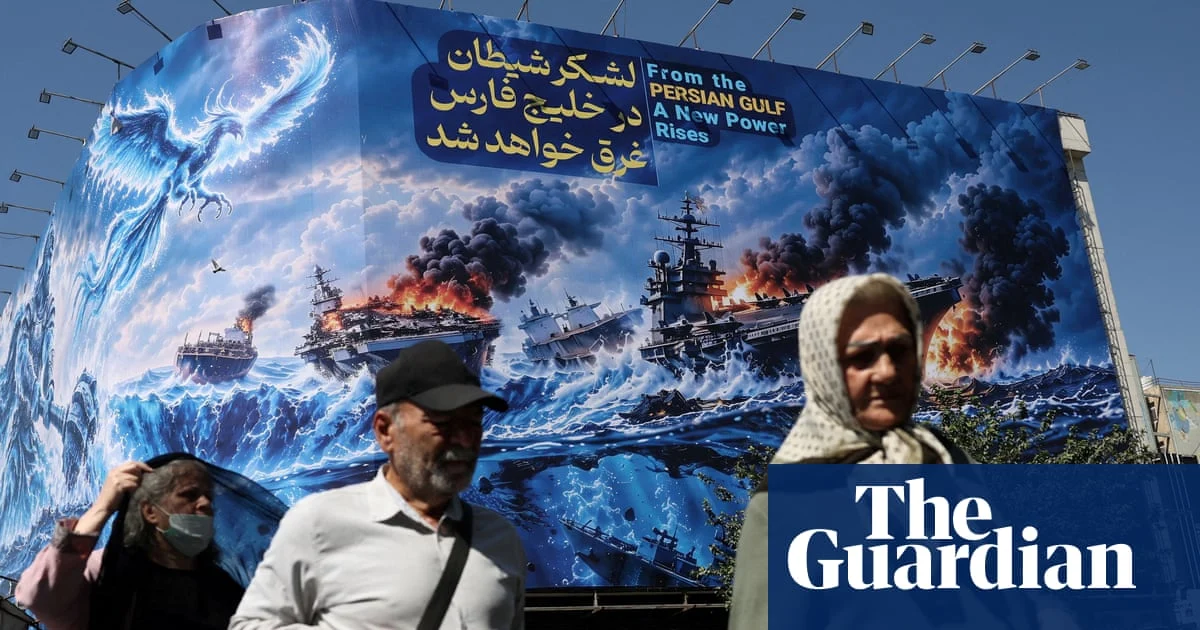
According to World news | The Guardian, US President Donald Trump has reportedly rejected Iran’s proposal for a seven-day peace deal to reopen the Strait of Hormuz. The plan, which Tehran says would restore maritime access in exchange for resuming nuclear negotiations and lifting a US naval blockade on Iranian ports, awaits an official American response.
Unnamed US officials cited by the Wall Street Journal suggested that President Trump expressed private skepticism about Iran’s willingness to fully dismantle its nuclear program, leading to expectations of renewed military strikes after the upcoming midterm elections.
KEY FACTS
- Iran proposed a seven-day peace deal to reopen the Strait of Hormuz.
- The offer includes resuming nuclear talks in exchange for lifting the US naval blockade of Iranian ports.
- US President Donald Trump is reported to have rejected the deal.
- Tehran has not yet received an official US response to its proposal.
- Unnamed US officials said Trump expects renewed strikes after the midterms.
The Reported Rejection
The central development reported by World news | The Guardian is that President Trump has reportedly turned down Iran’s offer to de-escalate tensions in the Persian Gulf through a time-bound agreement. Iranian officials have publicly described the proposal as a goodwill gesture aimed at restoring critical shipping lanes while restarting diplomatic dialogue over Tehran’s nuclear program.
According to the account, senior US figures conveyed doubts about whether Iran would follow through on broader commitments, particularly those related to dismantling its nuclear infrastructure. These reservations appear to have influenced the decision not to formally accept the truce.
What Happens Next?
With no acknowledged official response from the White House, Iran continues to await clarification on whether its offer has been outright dismissed or simply set aside for now. Regional analysts noted that the absence of an explicit rejection could allow diplomatic channels some room to maneuver, although the prevailing mood seems to lean toward escalation rather than negotiation.
The coming weeks may determine whether the reported skepticism translates into renewed military action or renewed diplomatic outreach. Until then, commercial shipping through the strait remains vulnerable to disruption, and energy markets are watching closely for any shift in posture from either side.
Background And Context
The Strait of Hormuz serves as a vital chokepoint for global oil supplies, with roughly one-fifth of worldwide petroleum liquids passing through it daily. Any prolonged closure or heightened threat level can significantly impact international energy prices and supply chains, underscoring why both nations have strong incentives to manage the dispute carefully.
Historical context shows repeated cycles of tension around Iran’s nuclear program, often accompanied by sanctions, naval posturing, and intermittent negotiations. This latest flare-up echoes earlier phases marked by competing claims and uncertain communication between Washington and Tehran.
WHAT WE KNOW — AND WHAT WE DON’T
Verified by the source:
- Iran submitted a seven-day proposal to reopen the Strait of Hormuz.
- The proposal is tied to a request for the US to lift its naval blockade of Iranian ports.
- Resumption of nuclear negotiations is included in the Iranian offer.
- President Trump is described as privately skeptical of Iran’s nuclear commitments.
Still unconfirmed:
- No official statement from the White House confirming or denying the rejection.
- Exact wording or terms of Iran’s written proposal remain unspecified.
- Identity of the unnamed US officials speaking to the Wall Street Journal.
- Timeline for any future US military or diplomatic moves remains unclear.
WHY IT MATTERS
Disruptions to navigation in the Strait of Hormuz affect global energy flows, inflating costs for consumers worldwide and increasing uncertainty for governments dependent on secure maritime trade routes. Escalation between the US and Iran also risks dragging regional allies and energy markets into wider instability, making clarity and restraint essential for avoiding unintended consequences.
WHAT TO WATCH
All eyes turn to whether Tehran issues further statements following its reported overture, and whether the US administration provides any concrete update on its stance beyond the current silence. Analysts say the next public move from either capital will likely define whether this crisis deepens or stabilizes.