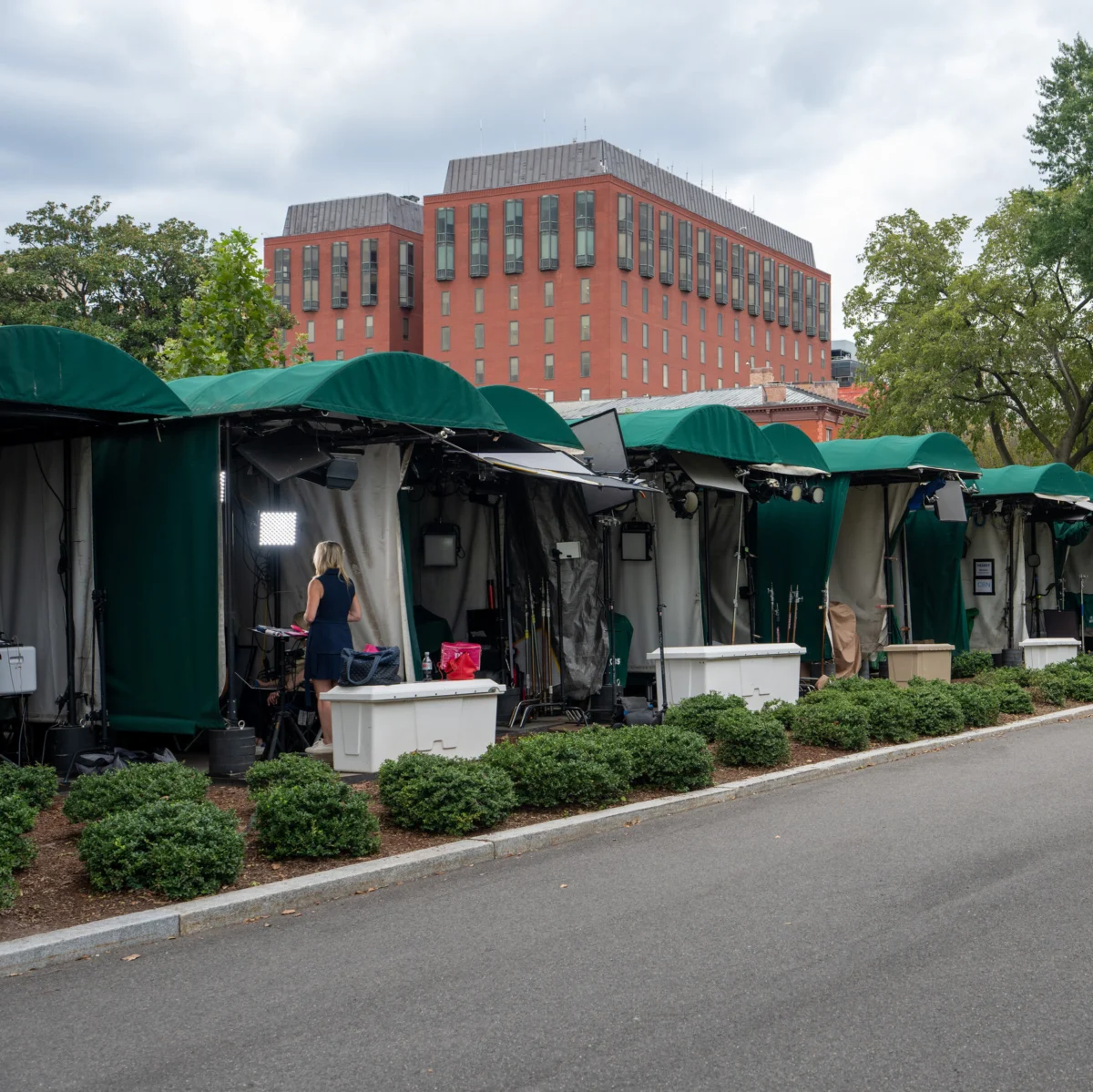
The White House has suspended TV coverage of Trump-related events from CNN, throwing a staple of television news reporting into disarray. This move effectively bars CNN from participating in the press pool system that typically distributes coverage to other networks. The disruption stems from the administration’s decision to restrict access for one major broadcaster during a period of heightened scrutiny around media access.
The press pool system allows participating news organizations to share coverage of events when all cannot be physically present. CNN’s exclusion marks a notable shift in how the White House manages broadcast access, particularly regarding Trump appearances. This development raises questions about future coordination between the executive branch and media outlets covering the president.
Key Facts
- Action taken: White House suspended TV coverage of Trump events from CNN.
- Impact noted: Disrupted standard press pool arrangements used by TV news.
- Scope: Affects broadcast networks relying on shared pool coverage.
Who Is Affected by This Change?
Broadcast news networks depend on the press pool model to gain access to presidential events when physical space is limited. When one outlet is excluded, others may lose access unless alternative arrangements are made. CNN’s absence from the rotation could force remaining networks to adjust scheduling or reduce coverage depth.
This type of restriction isn’t unprecedented but occurs amid ongoing tensions between the White House and select media organizations. The practical effect limits the breadth of independent journalism available to viewers, especially those relying on major network broadcasts for live updates.
How Did We Get Here?
Presidential administrations routinely rotate broadcast access among outlets to ensure fairness. However, exclusions tend to happen during politically sensitive periods. The current situation reflects broader challenges facing modern press relations, where access becomes conditional on editorial stance or perceived cooperation levels.
By removing CNN from the pool, the White House introduces potential friction into daily news flows. Other networks might seek separate permissions, request expanded access, or pursue legal clarification if such policies persist long-term. These dynamics shape public visibility of official communications.
What We Know — and What We Don’t
Verified by the source:
- CNN was suspended from TV coverage of Trump events by order of the White House.
- The action disrupted traditional press pool sharing practices among television networks.
Still unconfirmed:
- The specific date or reason cited for the suspension.
- Whether other networks received similar restrictions.
- Any official response from CNN or the White House communications team.
This report is based solely on reporting from NYT > Business, which details the suspension and its impact on press pool operations.
Why It Matters
Press pool exclusivity ensures diverse viewpoints reach audiences even when full press access isn’t possible. Limiting one network’s role affects content variety across platforms, potentially narrowing perspectives offered to the public. Transparent access rules help maintain trust in both government openness and journalistic independence.
For consumers of news, any reduction in competitive distribution channels increases reliance on fewer sources. Such concentration risks undermining pluralism essential to democratic discourse, especially during high-stakes political moments.
What To Watch
Further clarity is expected if either CNN or the White House issues an explanation addressing timing or scope. Legal scholars also anticipate scrutiny should similar restrictions expand beyond this instance.