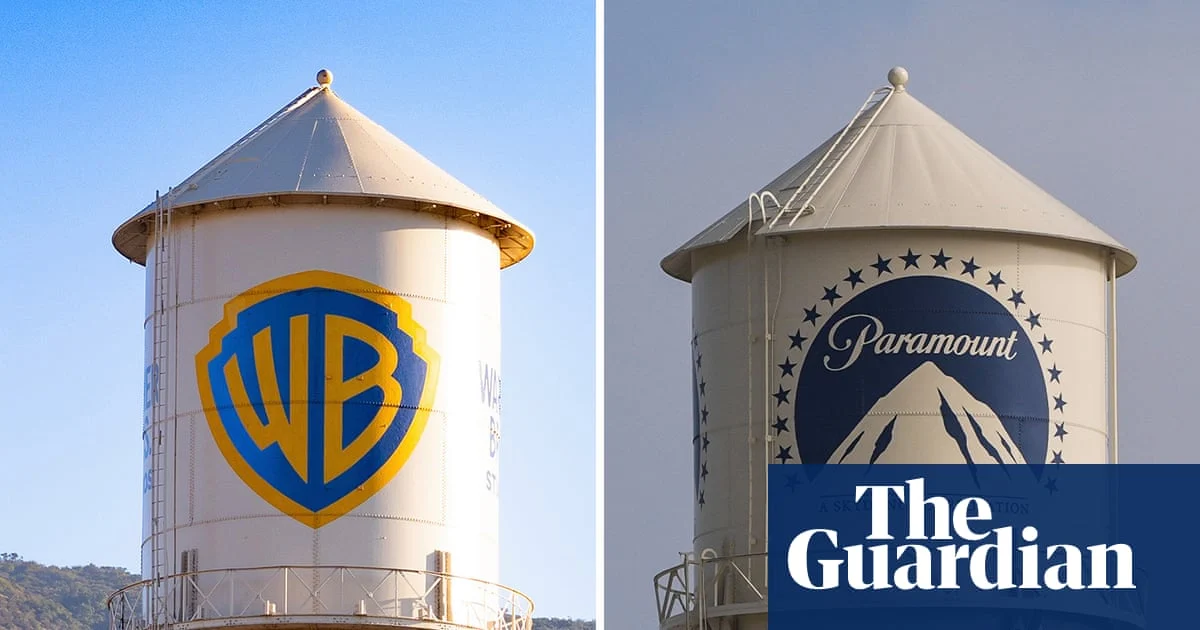
Paramount has settled lawsuits with 12 US states over its proposed $81bn merger with Warner Bros Discovery, clearing the way for the Warner merger to proceed. The settlement, announced by the California attorney general, resolves concerns that combining two of Hollywood’s last legacy studios would reduce competition and fewer movies and shows would reach theaters and streaming platforms.
Though the merger cleared a U.S. Department of Justice review in June, a coalition of states led by California sued, arguing the Warner merger would extinguish competition among major studios. With the settlement, the deal can now move forward without further state-level legal challenges at this stage.
Key Facts
- Paramount settled lawsuits with 12 US states over the proposed Warner merger.
- The merger values the combined company at $81bn.
- California and other states sued over concerns of “extinguishing competition.”
- The U.S. Department of Justice already approved the merger in June.
- Combining two of the last five legacy studios raised fears of fewer movies in theaters and on streaming.
What the States Argued
The coalition of states, led by California, argued that the Warner merger would combine two of the five remaining legacy studios in Hollywood, leaving fewer competitors to produce and distribute content. This consolidation, they said, could reduce output of movies and television shows destined for both theaters and streaming platforms. Such concerns align with longstanding antitrust scrutiny of vertical and horizontal integration in media industries, where fewer owners could mean less incentive to invest in diverse or experimental content. By settling, Paramount avoids a protracted court battle that could have delayed the merger indefinitely.
What Happens Next After the Settlement?
With the state lawsuits settled, the Warner merger faces fewer remaining legal hurdles in the U.S. Regulatory approval from the Department of Justice was already secured in June, and the state-level cases were among the last major obstacles. However, mergers of this scale often face ongoing scrutiny from shareholders, international regulators, and consumer advocacy groups. Any delays in integrating operations, rebranding assets, or maintaining service levels on existing streaming platforms could still affect public perception and market confidence. Market observers will watch for any further regulatory challenges or shareholder dissent as the deal moves toward completion.
How Did We Get Here?
The Warner merger traces back to Paramount’s earlier announcement of its intent to combine with Warner Bros Discovery, a deal valued at $81bn. The U.S. Department of Justice gave its blessing in June, but a group of 12 states, led by California, filed suit shortly after, citing antitrust concerns. The fear was that combining two of Hollywood’s biggest names under one roof would extinguish competition and harm consumers through reduced choice. After months of legal uncertainty, the parties reached a settlement, removing the final major legal barrier to the merger moving forward.
What We Know — and What We Don’
Verified by the source:
- Paramount settled lawsuits with 12 US states including California and New York.
- The merger involves Warner Bros Discovery and is valued at $81bn.
- States sued over concerns of reduced competition and fewer movies.
- The U.S. Department of Justice approved the merger in June.
- The deal would combine two of the last five legacy studios in Hollywood.
Still unconfirmed:
- Financial terms of the settlement have not been disclosed.
- No timeline has been confirmed for the merger to close.
- Details of how competition concerns were addressed remain unclear.
- Membership or role of the remaining states in the coalition is unspecified.
Why It Matters
The Warner merger represents one of the largest consolidations of entertainment power in recent memory, affecting everything from movie releases to streaming subscriptions. When fewer companies control more content, consumers may see higher prices, fewer choices, and less innovation. For investors and analysts, this deal sets a new benchmark for how regulators and courts handle mega-mergers in the digital entertainment age. It also reflects a broader trend of legacy media companies joining forces to compete with tech giants that dominate global streaming markets.
What To Watch
Stakeholders should monitor whether any additional regulatory actions emerge in other jurisdictions or whether shareholder votes present new challenges to the Warner merger. Final closure details are expected in the coming months, though no specific date was provided by the source.
Paramount settles lawsuits with 12 US states, clearing the path for the $81bn Warner merger after antitrust concerns over Hollywood consolidation. According to Business | The Guardian.