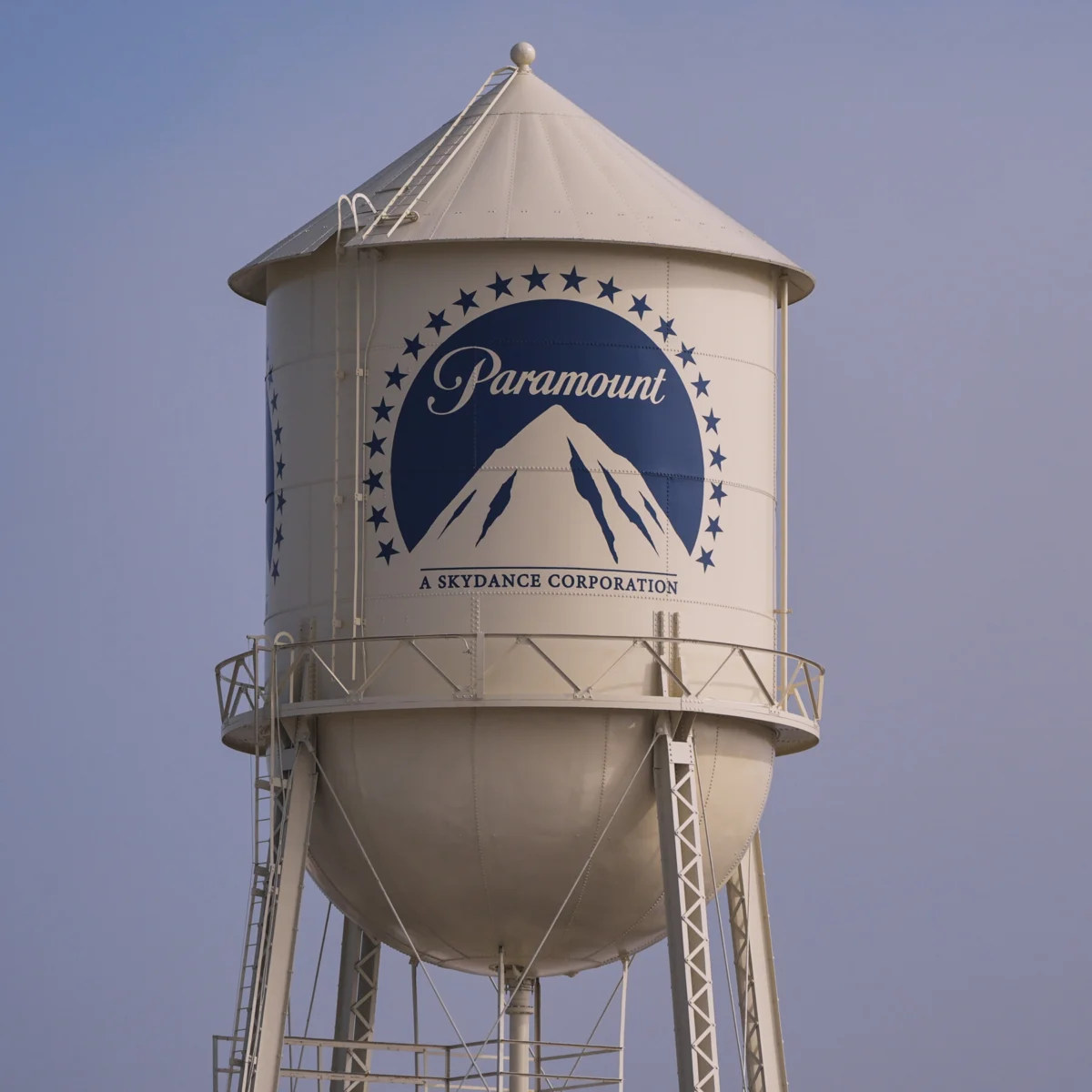
Paramount has settled a lawsuit filed by a group of states, removing the last major hurdle facing media figure David Ellison in his pursuit of acquiring Warner Bros. Discovery. The resolution clears the path for the Warner Bros. Merger to proceed, though further regulatory and shareholder steps remain. By resolving the legal challenge, Paramount addresses concerns raised by multiple state attorneys general regarding the proposed transaction’s impact on competition and consumer choice in the entertainment industry.
The Warner Bros. Merger represents one of the most significant consolidations in recent media history, bringing together two major entertainment powerhouses under Ellison’s leadership. The settlement resolves antitrust-related objections that had delayed the deal, allowing the combined entity to move forward with integration planning and future content strategies. This clearance removes uncertainty for investors, employees, and partners across both organizations, signaling that the largest obstacles to completion have been addressed.
KEY FACTS
- Paramount settles states’ lawsuit, removing last major hurdle to Warner Bros. Merger.
- Media figure David Ellison acquires Warner Bros. Discovery following settlement.
- Lawsuit filed by group of states raised concerns about competitive impact.
- Settlement clears path for Warner Bros. Merger to proceed pending further steps.
- Media conglomerate consolidation advances amid evolving streaming landscape.
How did we get here?
The Warner Bros. Merger traces back to a broader wave of consolidation sweeping the traditional media sector, where streaming pressures have pushed legacy players toward combining resources. David Ellison, already known for his production company Skydance Entertainment, positioned himself as a central figure in restructuring efforts aimed at creating a more integrated content and distribution model.
The states’ lawsuit emerged from concerns over whether the merger could reduce competition in key markets such as theatrical releases, streaming services, and television programming. Regulators scrutinized potential effects on pricing, content diversity, and market dominance. The settlement suggests that Paramount and Ellison have addressed these concerns either through structural commitments or behavioral assurances designed to preserve competitive dynamics.
Media consolidation has accelerated since the rise of global streaming platforms, prompting renewed scrutiny from both federal and state authorities. The Warner Bros. Merger reflects investor confidence that scale and vertical integration can better compete with tech giants producing original content. However, critics argue such combinations risk limiting consumer options and concentrating creative control within fewer hands.
What happens next?
With the primary legal obstacle resolved, attention shifts to remaining procedural requirements including regulatory approvals and shareholder consent. These steps typically involve detailed reviews by agencies such as the Federal Trade Commission and potentially international regulators overseeing cross-border operations.
Shareholders on both sides will vote on final terms, weighing expected synergies against long-term risks associated with integration challenges. Analysts are watching closely for signals about talent retention, content budgets, and strategic priorities once the merged company takes shape.
The outcome may influence future merger activity throughout the entertainment ecosystem. A successful closing could embolden additional deals, while any delays or renegotiations might signal tighter oversight ahead.
What We Know — and What We Don’t
Verified by the source:
- Paramount settled a lawsuit brought by a group of states.
- The lawsuit was the last major hurdle for David Ellison’s acquisition of Warner Bros. Discovery.
- The resolution clears the way for the Warner Bros. Merger to move forward.
Still unconfirmed:
- Specific terms of the settlement agreement between Paramount and the states.
- Timeline for final regulatory and shareholder approvals.
- Financial details of Ellison’s acquisition or conditions tied to state assurances.
- Names of the specific states involved or official statements from attorneys general.
Paramount settles states’ lawsuit, removing the final legal obstacle to David Ellison’s acquisition of Warner Bros. Discovery in a deal that reshapes media consolidation trends.
Why It Matters
The Warner Bros. Merger sits at the intersection of media consolidation and antitrust enforcement, shaping how content is produced, distributed, and priced for millions of consumers. As traditional studios compete with streaming giants, combinations like this redefine market structures and raise questions about innovation, diversity, and access in the digital age.
For investors, clarity around regulatory risk boosts confidence in capital allocation strategies targeting high-growth entertainment assets. Meanwhile, policymakers continue balancing economic efficiency with safeguards protecting fair competition—an equation central to public trust in corporate mergers affecting everyday life.
What To Watch
Next steps include formal regulatory review processes and shareholder votes expected in the coming months, where final approval hinges on satisfying remaining conditions outlined by federal and state authorities overseeing the transaction.