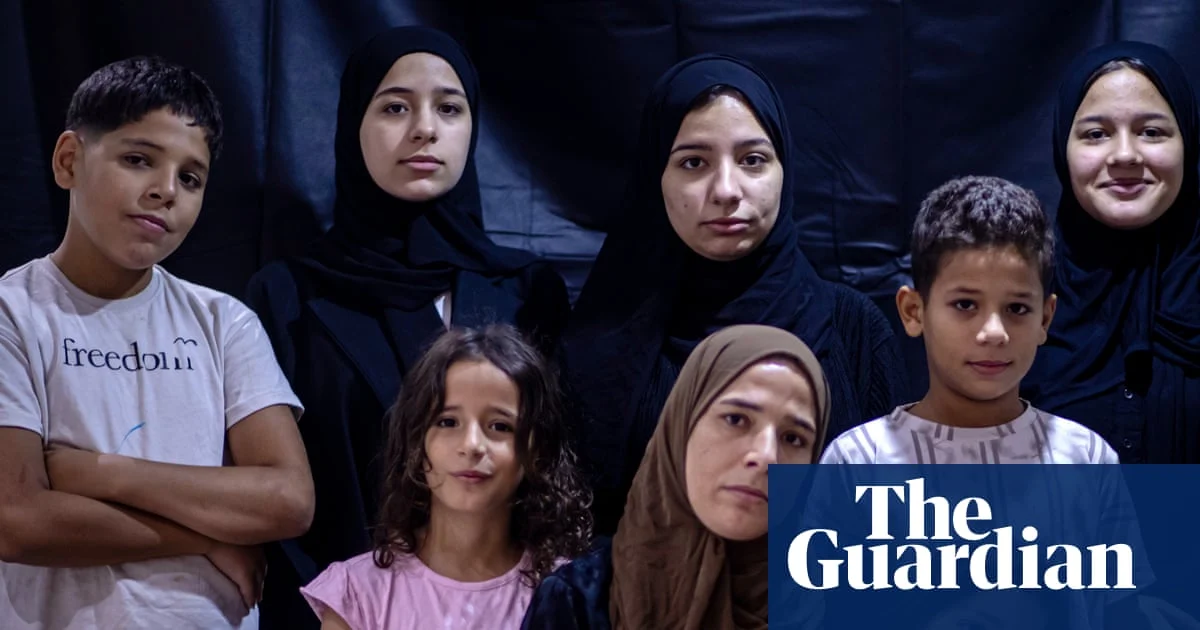
The war in Gaza has torn families apart, scattering loved ones and preventing couples from reuniting or marrying, according to reporting by The Guardian. The conflict has disrupted daily life, medical care, and personal relationships across the region. Wijdan Abu Matar, 43, was forced to leave Gaza in November 2023 with her eight children for medical treatment, while her injured husband, Hatem, remained behind.
Key Facts
- Families have been scattered by the war in Gaza.
- Fathers have been separated from their children.
- Couples have been unable to reunite and marry.
- Wijdan Abu Matar left Gaza with her eight children for medical care.
- Her husband, Hatem, stayed behind after being injured.
How Did This Happen?
The war in Gaza began with the 7 October 2023 Hamas attack on Israel, triggering widespread violence and displacement. Ten days later, an Israeli strike hit the al-Muhandseen tower near the Nuseirat refugee camp, where Wijdan and her family lived. The strike injured every member of her family, including herself, forcing difficult choices about movement and medical care. The ongoing conflict has made travel within Gaza extremely dangerous, complicating efforts by families to stay together or seek treatment. Aid access remains limited, and infrastructure such as hospitals and schools has been damaged or destroyed. These conditions have made it harder for couples to plan weddings, for parents to care for children, and for extended families to remain connected. The psychological toll of separation adds to the physical hardships faced by civilians. Many people have lost contact with relatives or been unable to attend funerals or religious ceremonies. The war in Gaza continues to displace populations internally and across borders.
Who Is Affected?
Beyond individual families like Wijdan’s, entire communities have been fractured by the war in Gaza. Children are growing up without consistent contact with both parents, and elderly relatives often cannot be visited. Marriage plans have been delayed indefinitely due to safety concerns and bureaucratic obstacles. Medical emergencies require urgent evacuation, sometimes splitting households further. Refugee camps such as Nuseirat have experienced repeated bombardment, increasing fear among residents. Aid organizations report difficulty reaching those most in need. Mental health support is scarce, especially for traumatized children. Women face particular challenges when navigating healthcare systems alone while caring for multiple dependents. Economic instability has worsened conditions for those trying to rebuild lives amid rubble. The war in Gaza shows no signs of easing, prolonging uncertainty for separated families.
What We Know — and What We Don’t
Verified by the source:
- The war started after the 7 October 2023 Hamas attack on Israel.
- An Israeli strike hit the al-Muhandseen tower on 17 October 2023.
- Wijdan Abu Matar and her family were living in the Nuseirat refugee camp.
- All family members were injured in the strike.
- Wijdan left Gaza with her eight children for medical treatment.
- Her husband Hatem remained behind.
Still unconfirmed:
- The exact number of other families affected by similar circumstances.
- The total number of couples prevented from marrying or reuniting.
- Detailed casualty figures from the al-Muhandseen tower strike.
- Specific policies governing family reunification during the conflict.
- Long-term plans for displaced individuals once hostilities pause.
Why It Matters
The war in Gaza illustrates how modern warfare impacts not just borders and governments but intimate human connections. When families are torn apart and couples cannot wed, social fabric erodes alongside physical infrastructure. Understanding these stories helps readers grasp the full humanitarian cost of protracted conflict. It also highlights gaps in international assistance for civilians caught in crossfire zones.
What To Watch
Future developments may include changes in evacuation procedures, family reunification programs, or diplomatic efforts aimed at reducing civilian harm. Until then, the war in Gaza will likely continue disrupting personal milestones and familial bonds.