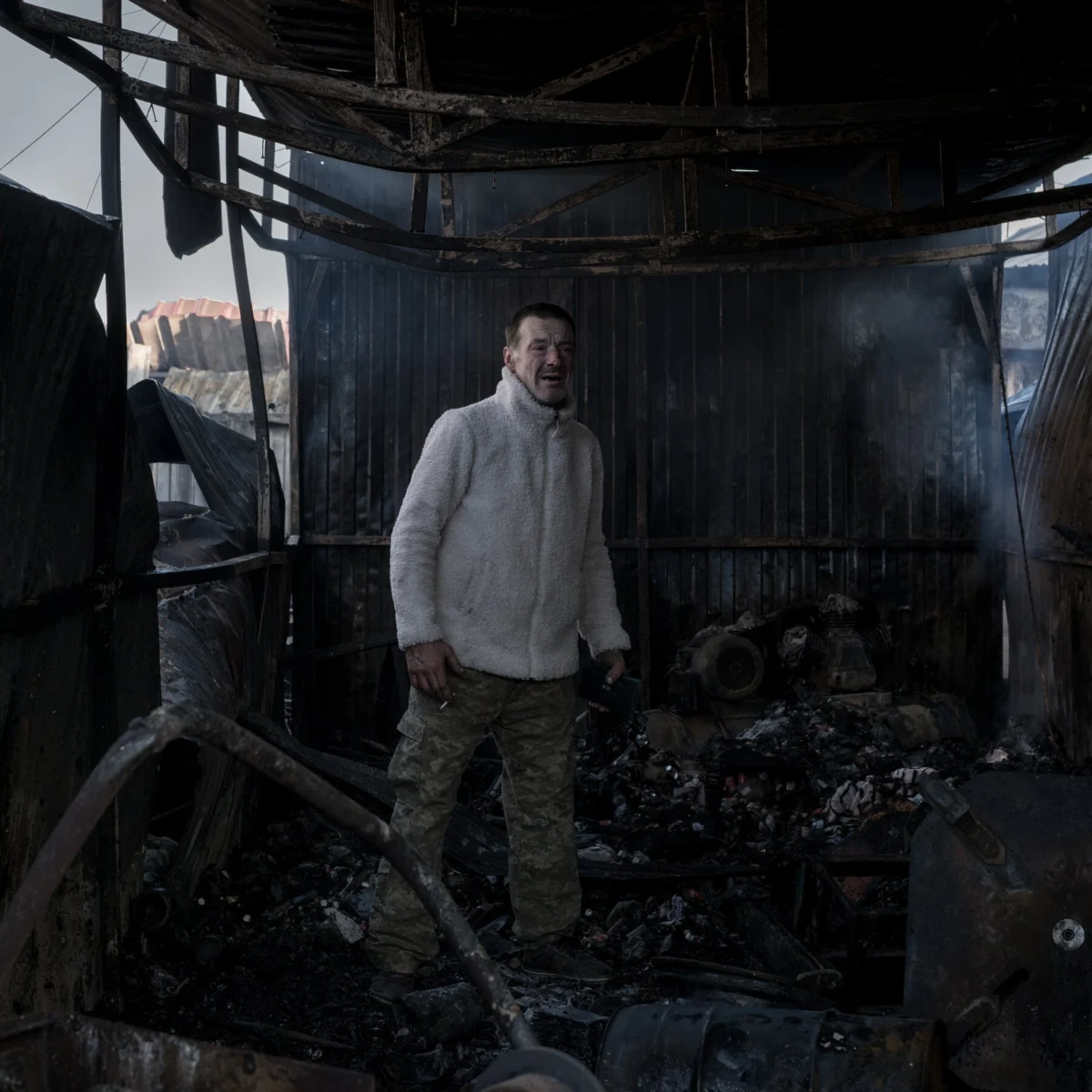
Life in Kyiv has become a daily calculation of risk as Russia tries to make the Ukrainian capital unlivable. Residents assess and accept deadly threats while continuing everyday routines, creating a new kind of battlefield beyond the front lines.
The city functions under constant threat, with ordinary citizens weighing the cost of routine activities against potential danger. This pattern reflects a broader effort to erode civilian morale and urban stability from afar.
Key Facts
- Life in Kyiv is described as a new kind of battlefield far from the front.
- Russia is attempting to make Kyiv unlivable.
- Daily life requires residents to assess and accept deadly risks.
The Story
Who Is Affected By Daily Risk Assessment?
Civilians living in the Ukrainian capital face ongoing danger even when not near active combat zones. Their routines include decisions about travel, shelter, and timing, all shaped by the possibility of sudden attacks.
This form of warfare targets infrastructure, morale, and the general population, extending pressure beyond soldiers and military installations. The psychological toll compounds physical danger, changing how people move through their own city.
Services such as public transit, healthcare, education, and commerce operate with adjusted schedules and safety measures. Workers in essential roles continue reporting despite uncertainty, maintaining minimal function under stress.
How Did We Get Here?
Russian forces have increasingly focused on urban centers like Kyiv rather than purely frontline positions. Strikes on energy systems, residential areas, and government facilities aim to destabilize civilian life indirectly.
These actions represent a shift toward asymmetric tactics designed to exhaust populations over time. Rather than capturing territory outright, the goal appears to be forcing capitulation through attrition and fear.
Ukrainian authorities have responded with air raid alerts, evacuation plans, and hardened shelters. However, complete protection remains elusive given the scale and unpredictability of threats.
What Happens Next?
As conditions evolve, life in Kyiv will likely continue adapting to shifting threat levels. International attention may influence whether these pressures ease or intensify depending on diplomatic developments.
Monitoring civilian resilience, infrastructure damage, and humanitarian access helps track broader war impacts. Changes in policy or ceasefire negotiations could alter daily realities quickly.
What We Know — and What We Don’t
Verified by the source:
- Kyiv is portrayed as a battlefield distant from direct front lines.
- Russia seeks to render the city functionally uninhabitable.
- Residents must weigh personal safety while carrying out daily tasks.
Still unconfirmed:
- Exact frequency or types of attacks affecting neighborhoods.
- Specific casualties or injuries among civilians during routine activities.
- Official responses or contingency protocols currently in place.
Why It Matters
The situation underscores how modern conflicts increasingly blur boundaries between military and civilian spaces. Understanding life in Kyiv reveals wider trends in psychological warfare and societal endurance under protracted siege-like conditions.
What To Watch
Future reports may clarify how ongoing hostilities impact long-term habitation and service provision across Ukraine’s largest city. Stay tuned to our [war-geopolitics] archive for updates.