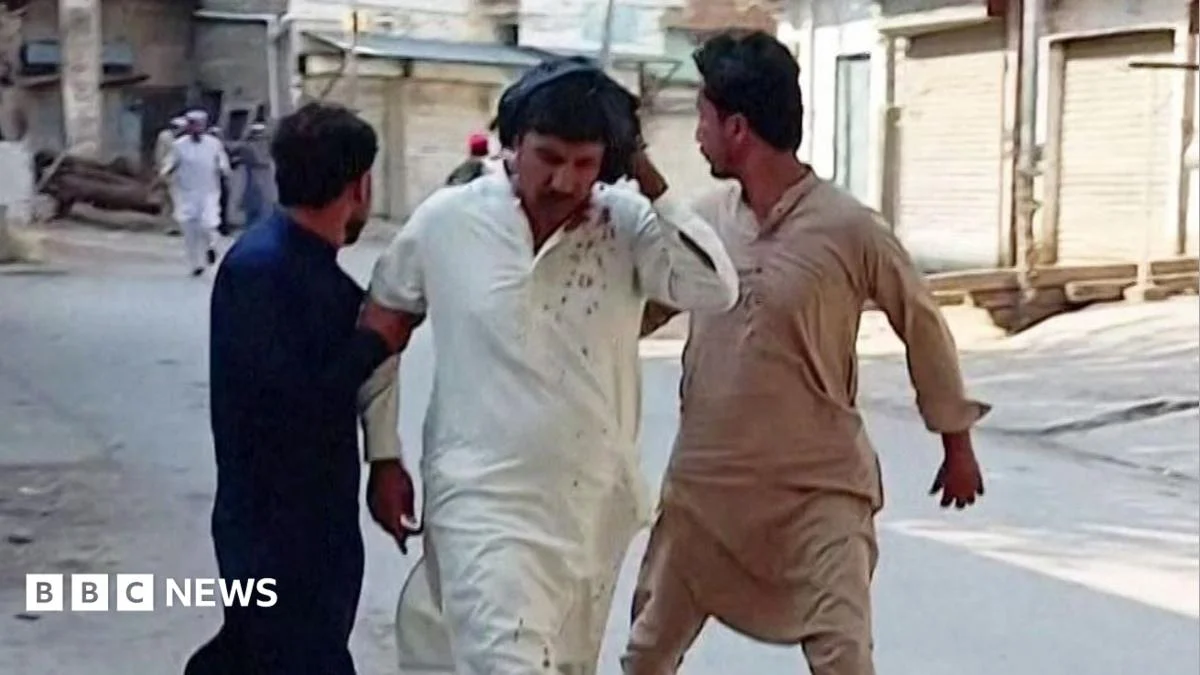
A vehicle loaded with explosives rammed into a mosque in Pakistan, killing at least 21 people, including a four-year-old child, according to BBC News. Gunmen also opened fire on a police facility during the coordinated assault, marking one of the deadliest attacks on religious and security targets in recent memory.
The Pakistan mosque attack unfolded when an explosive-laden vehicle breached the mosque compound, followed by armed assailants targeting nearby law enforcement infrastructure. No group has yet claimed responsibility for the Pakistan mosque attack, which left dozens injured and sent shockwaves through communities already tense over rising militant activity.
Key Facts
- At least 21 killed in the mosque bombing and shooting.
- A vehicle loaded with explosives rammed the mosque.
- Gunmen opened fire on a police facility.
- A four-year-old child was among the dead.
The Story
What happens next?
Following the Pakistan mosque attack, authorities are launching investigations to identify those responsible. The dual-pronged nature of the assault—targeting both a house of worship and a police outpost—suggests coordination that may complicate efforts to trace perpetrators. Security forces have not disclosed whether suspects have been detained or if any arrests have been made in connection with the Pakistan mosque attack.
Emergency responders worked through the night to recover bodies and treat the wounded. Hospitals in the area reported an influx of casualties, many suffering from blast-related trauma and gunshot wounds. The death toll could rise depending on the condition of critically injured victims.
Religious and political leaders across Pakistan condemned the Pakistan mosque attack, calling it an act of terrorism. Protests and candlelit vigils have emerged in major cities, though officials warned gatherings might heighten security risks. The government has not announced new countermeasures at this time.
Who is affected?
The Pakistan mosque attack struck at the heart of local worshippers and law enforcement personnel. Among those killed was a four-year-old child, underscoring how the violence spared no age group or institution.
Mosque communities nationwide are grieving and may face increased scrutiny during Friday prayers. Police forces are likely reassessing security protocols around places of worship and public facilities.
Families of the deceased are searching for answers while medical staff continue treating survivors. The emotional toll extends beyond immediate victims, rippling through neighborhoods unaccustomed to such brazen attacks.
What We Know — and What We Don’t
Verified by the source:
- A vehicle loaded with explosives rammed into a mosque in Pakistan.
- At least 21 people were killed, including a four-year-old child.
- Gunmen opened fire on a police facility during the attack.
Still unconfirmed:
- The exact location of the mosque attacked.
- The identity or affiliation of the gunmen involved.
- The total number of injured persons.
- Whether any suspects have been arrested.
- The motive behind the Pakistan mosque attack.
Why It Matters
The Pakistan mosque attack reflects a growing pattern of violence targeting civilian and military-linked sites within the country. Such incidents strain public trust in security infrastructure and amplify fears among minority and religious communities already vulnerable to extremist threats.
Internationally, attacks like this draw attention to broader destabilization trends affecting regional alliances and counterterrorism cooperation. For ordinary citizens, life under such uncertainty becomes increasingly precarious.
What To Watch
Officials have yet to release a full statement regarding the Pakistan mosque attack, but further updates are expected as investigations proceed. Whether additional security measures will follow remains unclear.
A meta description: Vehicle rammed a Pakistan mosque; 21 dead including a child. Gunmen also fired on police, per BBC News.