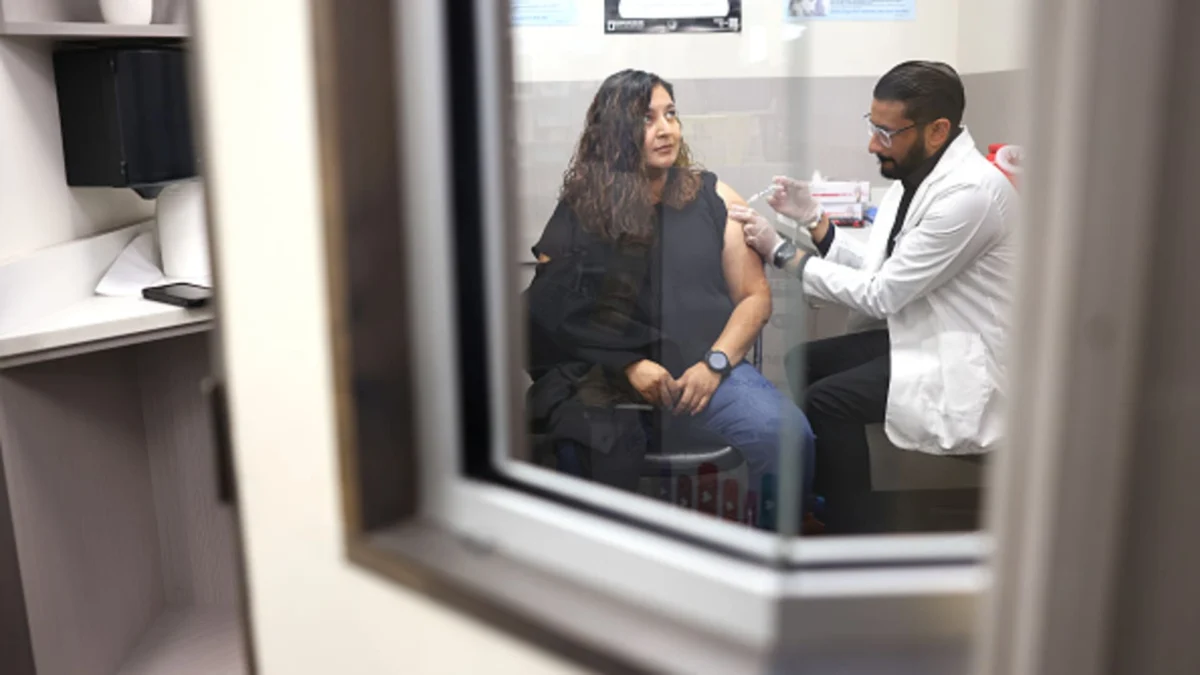
Lede: A significant portion of Americans find themselves in an uncertain middle ground regarding vaccines—neither fully supportive nor firmly opposed, according to US Top News and Analysis. This growing ambivalence presents a public health challenge as vaccination rates decline.
While anti-vaccine movements receive considerable attention, the larger issue may be the vast group of undecided individuals whose hesitancy contributes to falling immunization rates. Without clear public health messaging, this uncertainty could exacerbate preventable disease outbreaks.
Key Facts
- Many Americans are in an uncertain middle ground about vaccines, per US Top News and Analysis.
- This group is neither firmly pro-vaccine nor staunchly anti-vaccine.
- Vaccination rates in the U.S. are declining partly due to this uncertainty.
What’s Causing Vaccine Uncertainty?
Unlike vocal anti-vaccine groups, this hesitant middle is less visible but more numerous. Their concerns may stem from mixed messaging, misinformation, or lack of trust rather than outright rejection of vaccines. Public health experts warn that this group’s indecision can slow vaccination efforts, increasing vulnerability to outbreaks.
Who Is Affected?
The impact of declining vaccination rates extends beyond individuals to communities, particularly those with vulnerable populations like children, the elderly, and immunocompromised individuals. Herd immunity weakens when vaccine hesitancy grows, raising risks for preventable diseases.
What We Know — and What We Don’t
Verified by the source:
- Vaccine uncertainty is a significant factor in declining vaccination rates.
- Many Americans are neither strongly for nor against vaccines.
Still unconfirmed:
- Whether specific misinformation sources are driving hesitancy.
- Strategies being developed to address this uncertainty.
Why It Matters
Vaccine hesitancy presents a critical challenge to public health infrastructure. If too many people delay or refuse vaccinations, herd immunity can erode, increasing the risk of preventable disease outbreaks. Addressing this uncertainty will require clear communication and trust-building measures.
What To Watch
Public health officials may need to intensify outreach to this uncertain demographic. The effectiveness of new messaging campaigns targeting hesitant individuals will determine whether vaccination rates stabilize.