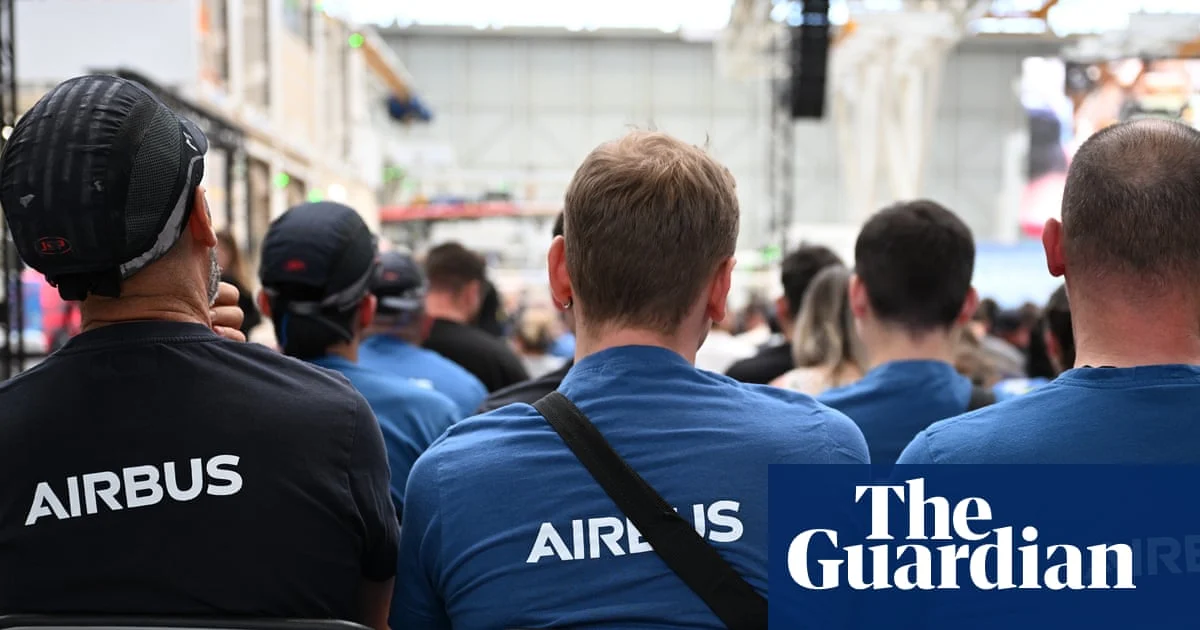
Airbus has scaled back its plans to restrict remote working to one day a week after facing employee strikes. The aeroplane maker will now allow staff to continue working remotely for two days a week, maintaining the current policy.
The decision comes after a series of strikes by employees protesting against the company’s initial plan to reduce remote work days. Airbus, the world’s largest aeroplane maker, had intended to implement the stricter policy starting in September.
KEY FACTS
- Airbus faced employee strikes over plans to limit remote working to one day a week.
- The company has now agreed to allow staff to work remotely for two days a week.
- The original policy was set to take effect in September.
- Airbus is the world’s largest aeroplane maker.
What led to the policy change?
Employee protests and strikes pressured Airbus to reconsider its stricter remote work policy. The company initially aimed to reduce remote work days, but the backlash from employees forced a compromise. This highlights the ongoing tension between employers and workers over flexible work arrangements post-pandemic.
How does this compare to industry norms?
Many companies in the aerospace and manufacturing sectors have been grappling with similar decisions about remote work policies. While some have mandated full returns to office, others have adopted hybrid models. Airbus’s decision to maintain a two-day remote work policy places it somewhere in the middle of this spectrum.
WHAT WE KNOW — AND WHAT WE DON’T
Verified by the source:
- Airbus has adjusted its remote work policy following employee strikes.
- The company will allow two days of remote work per week instead of one.
- The change comes after protests against the original September implementation plan.
Still unconfirmed:
- The exact number of employees involved in the strikes.
- Whether there will be further negotiations or adjustments to the policy.
- How this decision will impact Airbus’s productivity or employee satisfaction long-term.
WHY IT MATTERS
This development reflects broader labor market trends where employees increasingly value flexibility. Companies like Airbus must balance operational needs with worker demands, especially in competitive industries. The outcome could influence similar negotiations at other major manufacturers.
WHAT TO WATCH
Whether Airbus employees accept this compromise or push for further concessions. Observers will also monitor if other aerospace companies follow suit with their remote work policies. For more on workplace trends, see our economy and markets coverage.