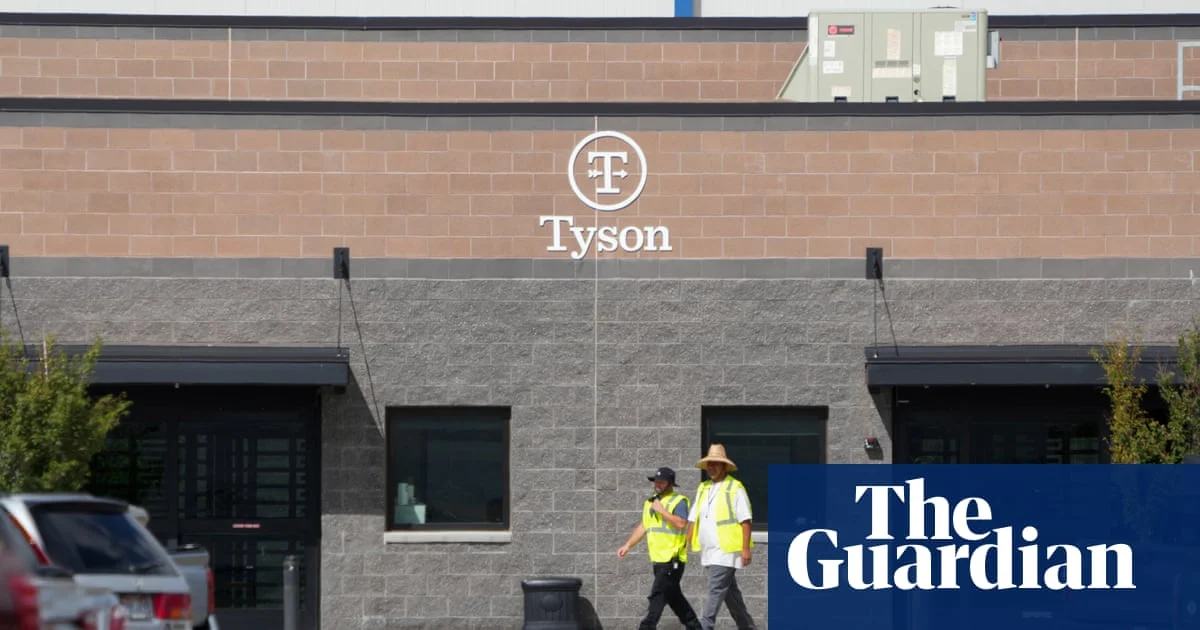
Tyson Foods, the largest meatpacking company in the US, is closing two beef processing plants in Illinois and Utah and selling another in Washington state, citing a historic cattle shortage. While beef prices have already soared due to this shortage, economists suggest the closures may not significantly worsen consumer costs.
This marks the latest disruption in the US beef supply chain, which has faced severe strain from drought, rising production costs, and consolidation among ranchers. The closures will result in hundreds of layoffs as Tyson adjusts to the shrinking national cattle herd.
Key Facts
- Tyson Foods is closing beef processing plants in Illinois and Utah
- The company is also selling a beef facility in Washington state
- Hundreds of workers will be laid off due to the closures
- Cattle supply is at a 75-year low due to drought and economic pressures
- Beef prices have risen sharply over the past year
Why is cattle supply so low?
The current cattle shortage stems from multiple years of drought in critical ranching regions, coupled with rising operational costs that have forced many ranchers out of business. Industry consolidation has further reduced the number of cattle producers. These factors combined have led to the smallest national cattle herd in three-quarters of a century. While demand for beef remains strong, the constrained supply continues to drive prices upward.
How will this affect grocery costs?
Beef prices for consumers have already increased substantially over the past year due to the cattle shortage. However, economists cited in the report believe the Tyson plant closures may not dramatically worsen retail prices. The meatpacking industry has some capacity to redistribute processing to remaining facilities, potentially mitigating the impact on consumers. Still, with fewer processing options available nationwide, the fundamental supply constraints continue to pressure the beef market.
What We Know — and What We Don’t
Verified by the source:
- Tyson announced closures of plants in Illinois and Utah
- Cattle supply is at a historic 75-year low
- Multiple factors including drought and economic pressures caused the shortage
Still unconfirmed:
- Exact number of workers to be laid off at each location
- Precise timing of the plant closures
- Whether other meatpackers will follow with similar closures
Why It Matters
The closures reflect broader challenges in American food production, where climate change and economic consolidation are reshaping traditional supply chains. Consumers face the tangible consequences through higher prices at the grocery store, while workers in the industry grapple with job instability.
What To Watch
Industry observers will monitor whether additional meatpacking facilities reduce operations in response to the cattle shortage, and how retail beef prices trend through the remainder of the year. The drought conditions affecting cattle ranchers show no immediate signs of abating.