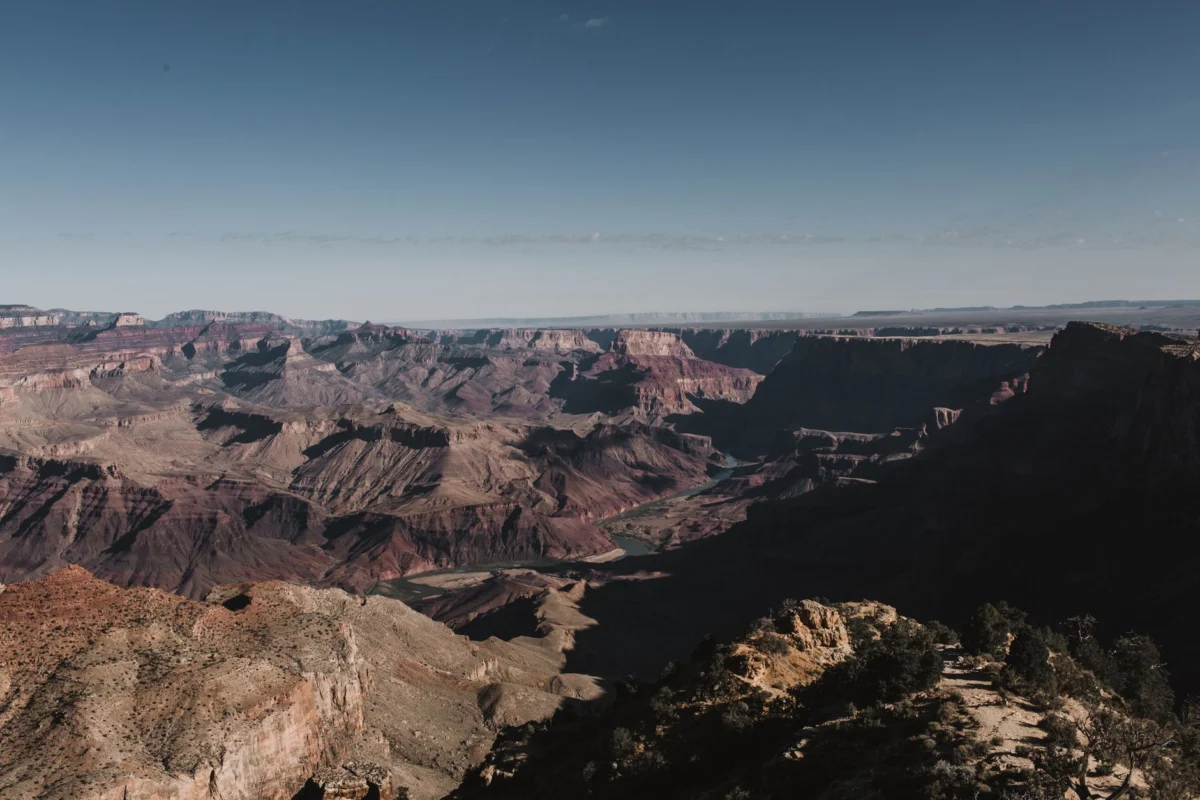
The U.S. government has proposed substantial reductions in Colorado River water allocations for Arizona, California, and Nevada, according to a Reuters report. The plan aims to address severe drought conditions that have strained the river’s resources for years. These cuts could significantly impact agriculture, urban water supplies, and ecosystems across the Southwest.
KEY FACTS
- The U.S. proposed deep water cuts for Arizona, California, and Nevada from the Colorado River.
- The plan targets three Southwestern states heavily reliant on the river for water supply.
- Details on the exact reduction percentages or timelines are not specified in the source.
WHY ARE THESE CUTS PROPOSED?
The Colorado River, a critical water source for 40 million people and millions of acres of farmland, has faced prolonged drought exacerbated by climate change. Reservoir levels at Lake Mead and Lake Powell have dropped to historic lows, prompting federal intervention to prevent a catastrophic water shortage. The proposed cuts aim to stabilize the river’s strained resources, though specific metrics for the reductions remain unclear.
WHO IS AFFECTED?
Arizona, California, and Nevada—the three states named in the proposal—are the most immediately impacted. Farmers, municipalities, and Native American tribes relying on the river for irrigation, drinking water, and cultural practices could face disruptions. The broader Southwest region, including other states and Mexico, may also feel indirect effects depending on how the cuts are implemented.
WHAT WE KNOW — AND WHAT WE DON’T
Verified by the source:
- The U.S. has proposed significant water cuts for Arizona, California, and Nevada.
- The Colorado River’s dwindling supply is the stated reason for the action.
Still unconfirmed:
- The exact percentage or volume of water reductions.
- How the cuts will be distributed among the three states.
- Whether the proposal includes exceptions for tribal water rights or other stakeholders.
WHY IT MATTERS
The Colorado River sustains ecosystems, agriculture, and cities across the Southwest. Prolonged drought and overallocation have pushed the river to a breaking point, making federal action necessary to avoid worse shortages. The proposed cuts underscore the urgency of adapting to climate change and managing water resources more sustainably.
WHAT TO WATCH
The next steps include potential negotiations between federal and state officials, as well as legal challenges from affected parties. The final plan’s details and implementation timeline will determine its real-world impact. For more on environmental policy, see our climate and environment coverage.