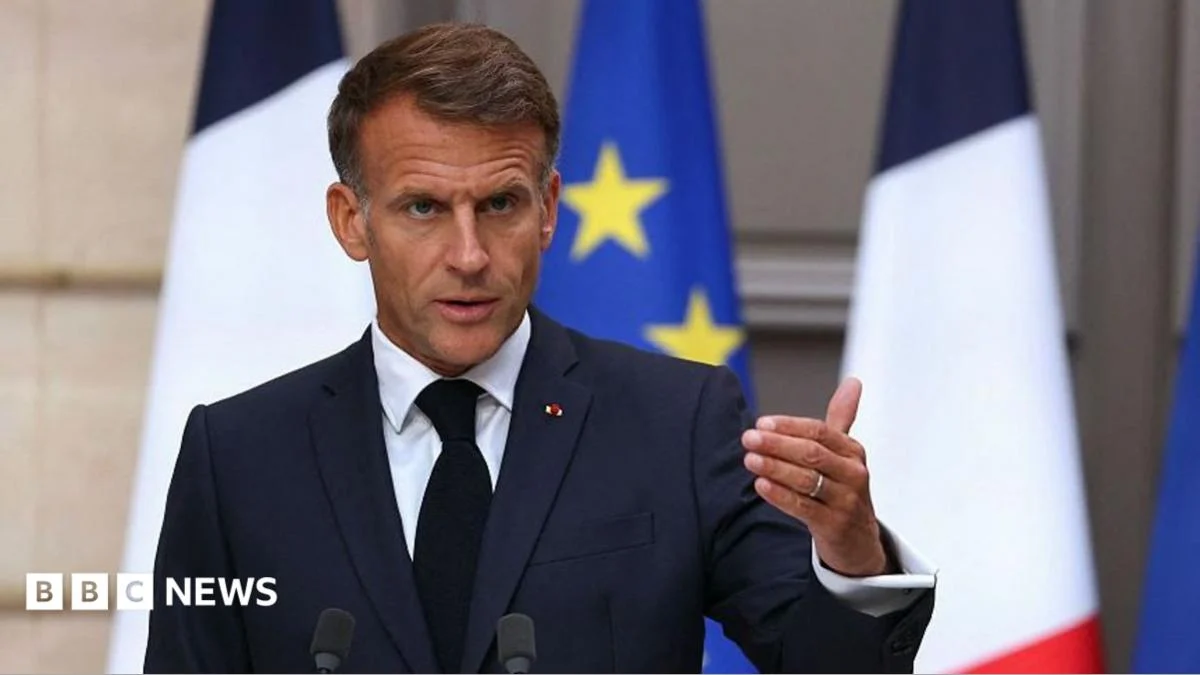
French President Emmanuel Macron has raised concerns over a sharp rise in what he described as Russian hybrid attacks against European countries, signaling growing fears of indirect warfare tactics being used to destabilize the continent.
In response, Macron has directed the French government to strengthen protections around critical infrastructure and key defence industry sites, as nations brace for potential escalations in cyber operations, disinformation campaigns, and clandestine activities attributed to Russia.
Key Facts
- French President Emmanuel Macron says Russian hybrid attacks against Europe are intensifying.
- He has instructed the government to protect critical infrastructure and defence industry sites.
- The warnings highlight rising concerns about covert threats from Russia targeting European nations.
Why the Warning Now?
Macron’s statements come amid heightened security tensions following reports of increased suspicious incidents across several EU member states, ranging from alleged sabotage attempts to digital intrusions on public systems.
His call for vigilance underscores how modern conflicts often unfold beyond traditional battlefields, relying instead on stealthy maneuvers designed to sow chaos without triggering open warfare.
The term ‘hybrid attacks’ generally refers to combined military and non-military strategies including cyberwarfare, propaganda, economic pressure, and proxy operations aimed at undermining target nations indirectly.
Who Is Affected by These Threats?
European governments and citizens face risks from disrupted services, compromised data, and weakened trust in democratic institutions when such covert assaults succeed.
Infrastructure sectors like energy grids, transportation networks, telecommunications, and financial systems have all reportedly been targeted by suspected Russian actors in recent years, according to various intelligence disclosures.
By urging protection of defence-related facilities, Macron appears focused on safeguarding both physical assets and national sovereignty amid fears of prolonged asymmetric conflict.
What Happens Next?
France is expected to work closely with EU partners to share threat intelligence and coordinate joint responses to emerging dangers posed by Russian hybrid tactics.
Officials may also consider reinforcing cross-border cooperation protocols and investing further into cybersecurity capabilities as part of broader deterrence efforts.
While no specific timeline was given for new protective actions, sources suggest that additional policy announcements could follow shortly after inter-ministerial consultations conclude within weeks.
What We Know — and What We Don’t
Verified by the source:
- The French president stated that Russian hybrid attacks on Europe are intensifying.
- He tasked the government with safeguarding critical infrastructure and defence industry locations.
- The remarks reflect ongoing unease among Western leaders regarding unconventional threats from Moscow.
Still unconfirmed:
- No details were provided regarding which countries or exact types of hybrid methods are involved.
- There is no confirmation of recent successful attacks occurring inside France or elsewhere.
- Unverified speculation exists about possible links between these warnings and upcoming diplomatic summits.
Why It Matters
Rising concerns over Russian hybrid attacks matter because they expose vulnerabilities in Europe’s resilience against indirect forms of aggression that bypass conventional diplomatic norms. Strengthening defenses now helps maintain stability and protect essential services from disruption.
What to Watch
Future developments may include coordinated EU-wide initiatives or updated French legislation addressing cyber and information security challenges posed by foreign interference.