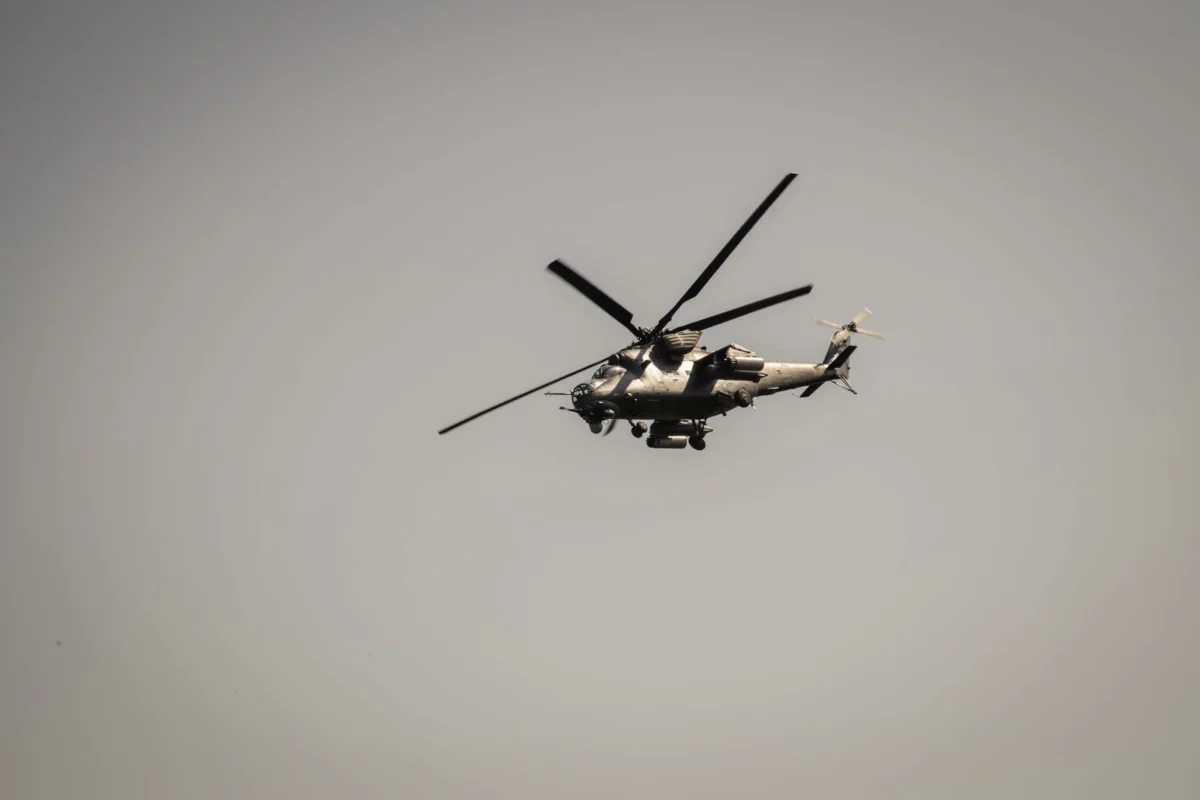
The US military downed two Iranian attack drones as Iran claimed responsibility for a strike on a US radar installation in Bahrain, according to an Associated Press report. The incident marks a sharp escalation in direct military confrontation between the two adversaries.
Officials have not disclosed the exact location or time of the drone interceptions, nor the extent of any damage from the alleged radar strike. The competing claims underscore the volatile security environment in the Persian Gulf.
Key Facts
- US military downed 2 Iranian attack drones
- Iran claims a strike on a US radar in Bahrain
- Report sourced from AP News via Google News
Background: Escalating drone confrontations
Unmanned aerial systems have become a primary tool in the shadow conflict between Iran and US forces in the Middle East. Iranian-backed groups have repeatedly deployed explosive drones against US bases in Iraq and Syria, while the US has invested heavily in counter-drone defenses. The downing of two Iranian attack drones suggests a direct Iranian launch rather than proxy use, a shift that could signal greater willingness to test US air defenses.
Bahrain hosts the US Navy’s Fifth Fleet and a key radar network monitoring Iranian missile and drone activity. A successful strike on such a facility would represent a significant intelligence and operational gain for Tehran. However, the claim remains uncorroborated by independent sources or US official confirmation.
What happens next?
Both sides have incentives to control the narrative. The US may release radar tracks or debris imagery to validate the interceptions, while Iran could publish footage of the alleged radar strike. Regional allies and international observers will watch for any retaliatory strikes, changes in force posture, or diplomatic signals. The incident could also influence ongoing negotiations over maritime security and nuclear talks.
What We Know — and What We Don’t
Verified by the source:
- US military downed two Iranian attack drones
- Iran claims a strike on a US radar in Bahrain
- Story reported by AP News
Still unconfirmed:
- Exact date, time, and location of drone interceptions
- Whether the radar strike caused damage or casualties
- Independent verification of Iran’s claim
- US official response or acknowledgment of radar damage
- Identity of the specific drone models involved
Why It Matters
Direct exchanges between US and Iranian forces risk miscalculation that could spiral into broader conflict. The Persian Gulf is a critical artery for global energy supplies, and any disruption affects markets worldwide. This episode also tests the credibility of each side’s deterrence posture.
What To Watch
Look for US Central Command statements, satellite imagery analysis, and any Iranian media releases. Diplomatic channels may see increased activity to de-escalate.