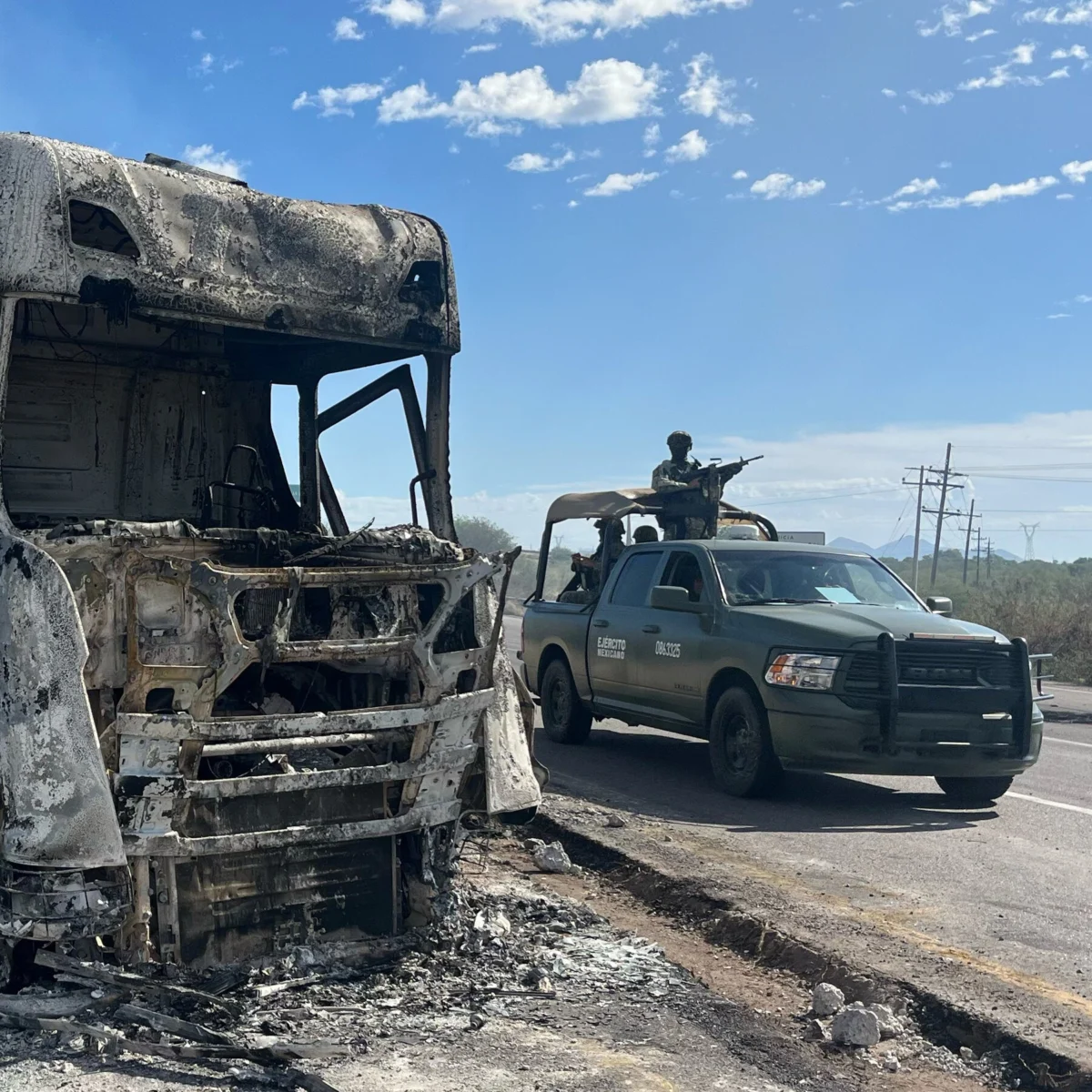
Mexico has captured a most wanted man after weeks of intelligence sharing between U.S. and Mexican authorities. Fausto Isidro Meza Flores, identified as a drug cartel leader, was tracked using drones, texts and diversions before his apprehension. A U.S. official described him as the most dangerous man in Mexico.
The operation marks a significant coordination effort between the two nations. Authorities on both sides of the border pooled resources for an extended period to locate and detain the cartel figure. The capture demonstrates the reach of joint intelligence operations targeting high-profile criminal leaders.
Key Facts
- Mexico captured a most wanted man named Fausto Isidro Meza Flores
- He is identified as a drug cartel leader
- U.S. and Mexican authorities shared intelligence for weeks
- Tracking involved drones, texts and diversions
- A U.S. official called him the most dangerous man in Mexico
The Story
How did the capture happen?
The operation relied on sustained intelligence sharing between U.S. and Mexican agencies over several weeks. According to the source, authorities employed multiple methods including drones, text communications and diversion tactics to monitor and eventually apprehend the target. This multi-layered approach suggests a deliberate, methodical operation rather than a chance encounter.
Joint operations of this nature typically involve specialized units from both countries. The use of drones indicates aerial surveillance capabilities, while text monitoring points to signals intelligence. Diversions suggest tactical deception was used to isolate the suspect or misdirect his security detail.
Who is Fausto Isidro Meza Flores?
Fausto Isidro Meza Flores is identified in the reporting as a drug cartel leader. A U.S. official characterized him as the most dangerous man in Mexico, a designation that reflects his perceived threat level to both Mexican and American security interests. Cartel leaders at this tier typically oversee extensive trafficking networks, command armed factions, and wield significant territorial control.
His capture removes a figure deemed exceptionally dangerous from active leadership. The specific cartel affiliation is not detailed in the available summary, though Mexican cartels operate across defined regions with varying degrees of fragmentation and alliance.
What does this mean for bilateral cooperation?
The weeks-long intelligence sharing underscores ongoing security collaboration between the United States and Mexico. Both governments have historically coordinated on high-value targets, though the depth and consistency of cooperation fluctuates with political leadership and policy priorities. This operation demonstrates functional channels at the operational level.
Such captures can disrupt cartel command structures temporarily. However, criminal organizations often have succession plans. The long-term impact depends on follow-up investigations, asset seizures, and whether mid-level operators are also pursued.
What We Know — and What We Don’t
Verified by the source:
- Mexico captured Fausto Isidro Meza Flores
- He is a drug cartel leader
- U.S. and Mexican authorities shared intelligence for weeks
- Drones, texts and diversions were used in tracking
- A U.S. official called him the most dangerous man in Mexico
Still unconfirmed:
- Which specific cartel he led
- Date and location of the capture
- Whether other arrests occurred simultaneously
- Current legal status or charges
- Mexican government’s official statement
- U.S. agency involvement specifics
Why It Matters
The apprehension of a figure labeled the most dangerous man in Mexico represents a notable outcome of U.S.-Mexico security cooperation. For readers, it signals that high-level cartel leadership remains vulnerable to coordinated intelligence operations. The case also illustrates how modern surveillance tools combine with traditional police work to target transnational criminal networks.
What to Watch
Official statements from both governments will clarify the operation’s scope. Any subsequent arrests or extradition proceedings will indicate whether this was an isolated capture or part of a broader campaign.