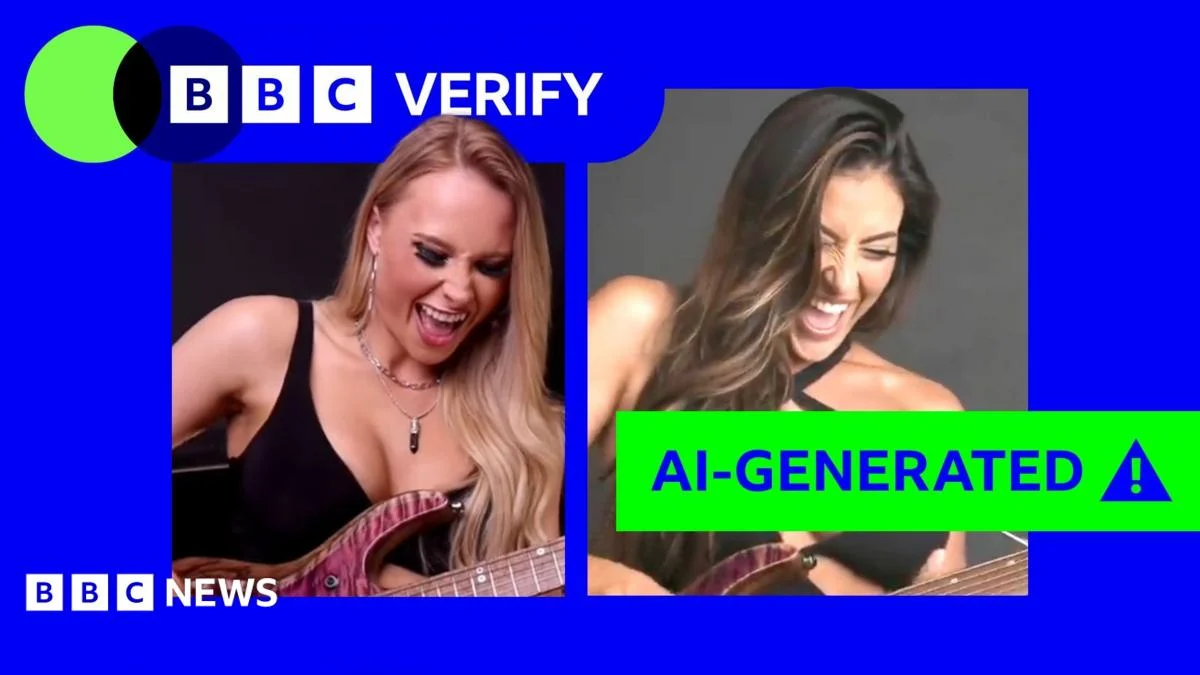
Creative professionals across multiple fields are discovering their performances reproduced by AI characters without permission. The BBC reports that musicians, comedians, and dancers are among those finding their videos cloned using artificial intelligence technology.
The phenomenon marks a growing challenge for artists whose work exists in digital formats. As AI characters become more sophisticated, the line between inspiration and unauthorized replication blurs, leaving creators with limited recourse.
Key Facts
- Musicians report videos cloned by AI characters
- Comedians find performances replicated without consent
- Dancers discover movements copied by generated avatars
- Multiple creative fields affected simultaneously
- Source: BBC News investigation
The Story
How AI characters replicate creative work
Generative artificial intelligence systems can now analyze video footage and extract performance patterns — movement, timing, vocal inflection, comedic delivery. These systems then apply those patterns to digital avatars that perform the same material. For a dancer, this means choreography reproduced frame by frame. For a comedian, it means jokes delivered with copied timing and expression. For a musician, it means performances recreated note for note.
The technology does not simply remix content. It builds models from specific creators’ output and generates new performances that mimic their distinctive style. This goes beyond traditional copyright concerns about copying fixed recordings; it replicates the creator’s artistic identity itself.
Who is affected and what they report
The BBC identified three categories of creators experiencing this issue. Musicians find their playing technique and stage presence duplicated. Comedians see their delivery, phrasing, and persona reproduced. Dancers discover their movement vocabulary and choreographic signatures cloned. Each group reports the same core problem: their years of developed craft reduced to training data for systems that then compete with them.
Creative professionals invest thousands of hours developing unique artistic voices. When AI characters deploy those voices without attribution or compensation, the economic and moral foundation of creative work erodes. The BBC’s reporting suggests this affects working artists across experience levels, not just high-profile figures.
What happens next for creators
Legal frameworks lag behind the technology. Copyright law protects fixed expressions — recordings, scripts, choreography notation — but struggles with style, technique, and persona. Right-of-publicity laws vary by jurisdiction and often require commercial exploitation. Contract terms on platforms where artists post work may grant broad licenses that platforms interpret as permitting AI training.
Creators currently rely on platform policies, public pressure, and emerging legislation. The EU AI Act requires transparency about training data. US proposals like the NO FAKES Act would establish federal voice and likeness rights. But enforcement against distributed, often anonymous AI generators remains difficult. Many artists report takedown requests ignored or generators simply reappear under new names.
What We Know — and What We Don’t
Verified by the source:
- Musicians, comedians, and dancers report work cloned by AI characters
- BBC News investigated and published findings
- Multiple creative disciplines affected
- Videos serve as source material for replication
Still unconfirmed:
- Scale of the problem across all creative fields
- Specific platforms or AI tools most responsible
- Number of individual creators impacted
- Legal outcomes for any reported cases
- Platform responses to creator complaints
- Economic impact on affected artists
Why It Matters
This story signals a fundamental shift in the relationship between creators and technology. When AI characters can reproduce not just content but creative identity, the incentive structure for artistic development faces unprecedented pressure. The outcome will shape whether human creativity remains economically viable or becomes raw material for automated systems.
What To Watch
Legislative action on AI training transparency and creator rights, platform policy changes, and court rulings on style and persona protection will determine whether creators gain meaningful control over how their work feeds AI systems.
Meta description: BBC reports musicians, comedians, and dancers find performances cloned by AI-generated characters without permission.
Related coverage: Technology & AI